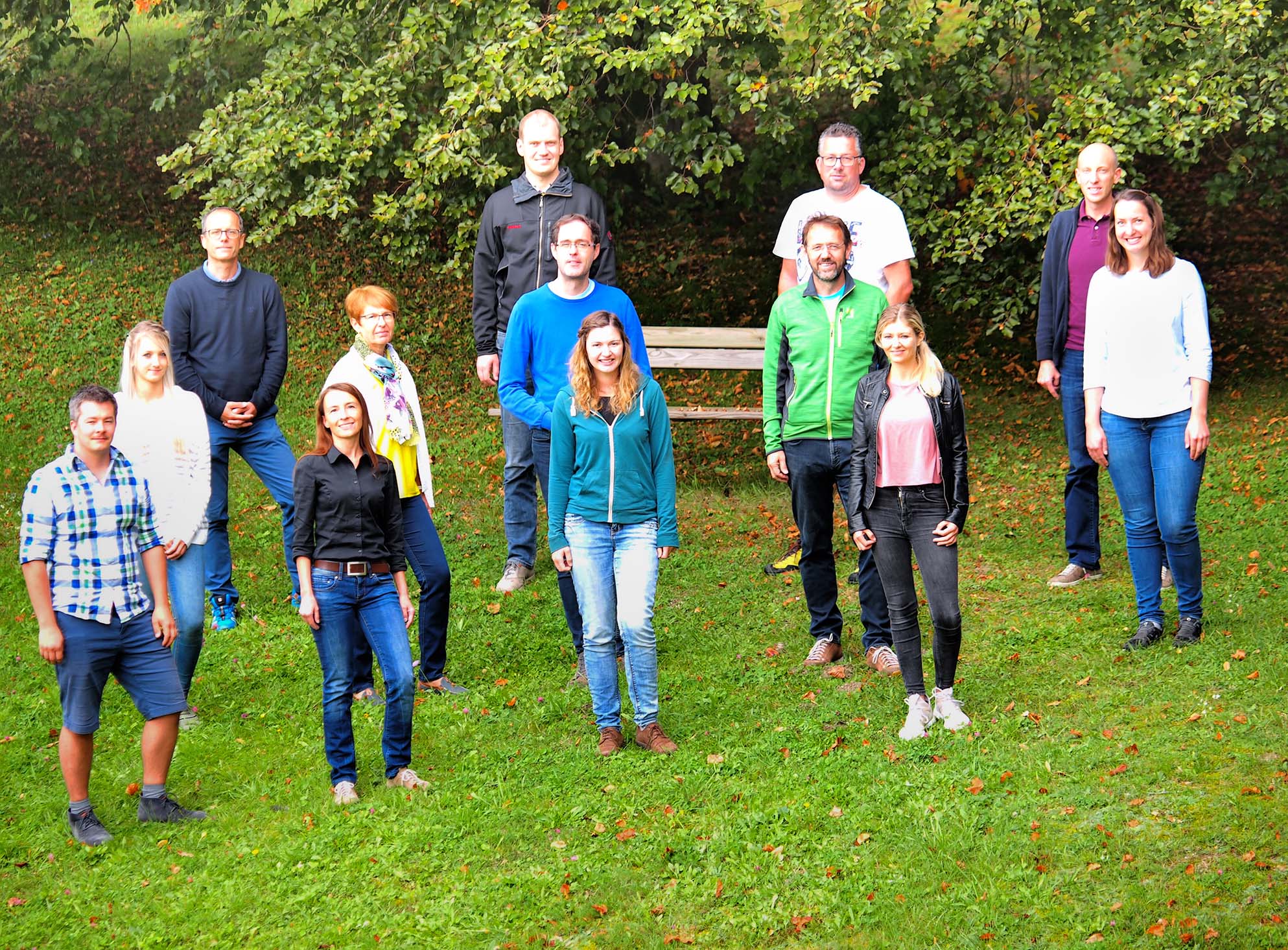
On June 8, 2021, this suggestion was complied with: an online meeting took place - adapted to current health requirements - in which the scientists of the research group presented themselves and their fields of work to the relevant departments. Afterwards, questions about environmental assessment and management as well as currently planned development topics were discussed with the participants.
Creation of the research group
In the first project “Individual life cycle assessment of agricultural businesses in Austria” between 2011 and 2015, in cooperation with the Agroscope research center (Switzerland), their life cycle assessment tool was adapted to Austrian conditions and tested on 50 Austrian farms. The resulting digital farm management tool was named “FarmLife”.
At the end of 2015, after the completion of the first project and the development of the new FarmLife tool, it became apparent that it was essential to develop further aspects in an interdisciplinary manner. The “Eco-Efficiency of Agricultural Production Systems” research group at the HBLFA Raumberg-Gumpenstein emerged from the small circle of colleagues involved at the time; In 2019 the research group was made official and Dr. Markus Herndl was entrusted with its management. The collaboration with Agroscope was already consolidated in 2017 as part of a national cooperation agreement. Composed of scientists and employees from different organizational units of the HBLFA Raumberg-Gumpenstein, the group decided to provide a comprehensive tool for aspects of environmental and sustainability assessment of agricultural businesses.
The first FarmLife project gave rise to a wide range of research activities in different disciplines, with the overarching goal of location-appropriate agriculture in Austria based on a detailed environmental assessment. Resource efficiency, climate protection, biodiversity, animal welfare, digital technologies, among others, are the focus of ongoing and completed projects through which the FarmLife tool is constantly being expanded and the environmental assessment is completed. In order to promote the widespread use of FarmLife in practice, in addition to the research track, an educational track was also set up, through which the appropriately adapted FarmLife tool finds its way into classrooms (through teacher training and special educational material for local schools).
Online presentation by the FG Ecoefficiency for the BMLRT on June 8, 2021
After a short welcome from DI Angelika Steger and Dr. Johann Gasteiner gave research group leader Dr. Markus Herndl gives an overview of the research activities. The members of the research group introduced themselves in a short statement. Afterwards, Dr. Thomas Guggenberger presented the approaches to environmental assessment in agriculture, before the current projects and new developments were discussed one after the other by Mag. a Elisabeth Finotti (education track), Dr. Elfriede Ofner-Schröck (animal welfare) and Mag. Christian Fritz MA (environmental effects of digitalization, GHG), were presented in 10-minute presentations. Afterwards, Dr. Herndl provides an overview of the projects that have already been completed and important publications on them. A question and discussion block rounded off the program. In this way, interested participants from the BMLRT's specialist departments received a profound overview of FarmLife and how the tool brings together research, education and practice.
The team of the Eco-Efficiency Research Group was very pleased about the opportunity to showcase the performance and would like to once again thank everyone involved in the BMLRT for the interest shown and for the promotion and support of all projects and initiatives related to FarmLife.
Author: Elisabeth Finotti
team
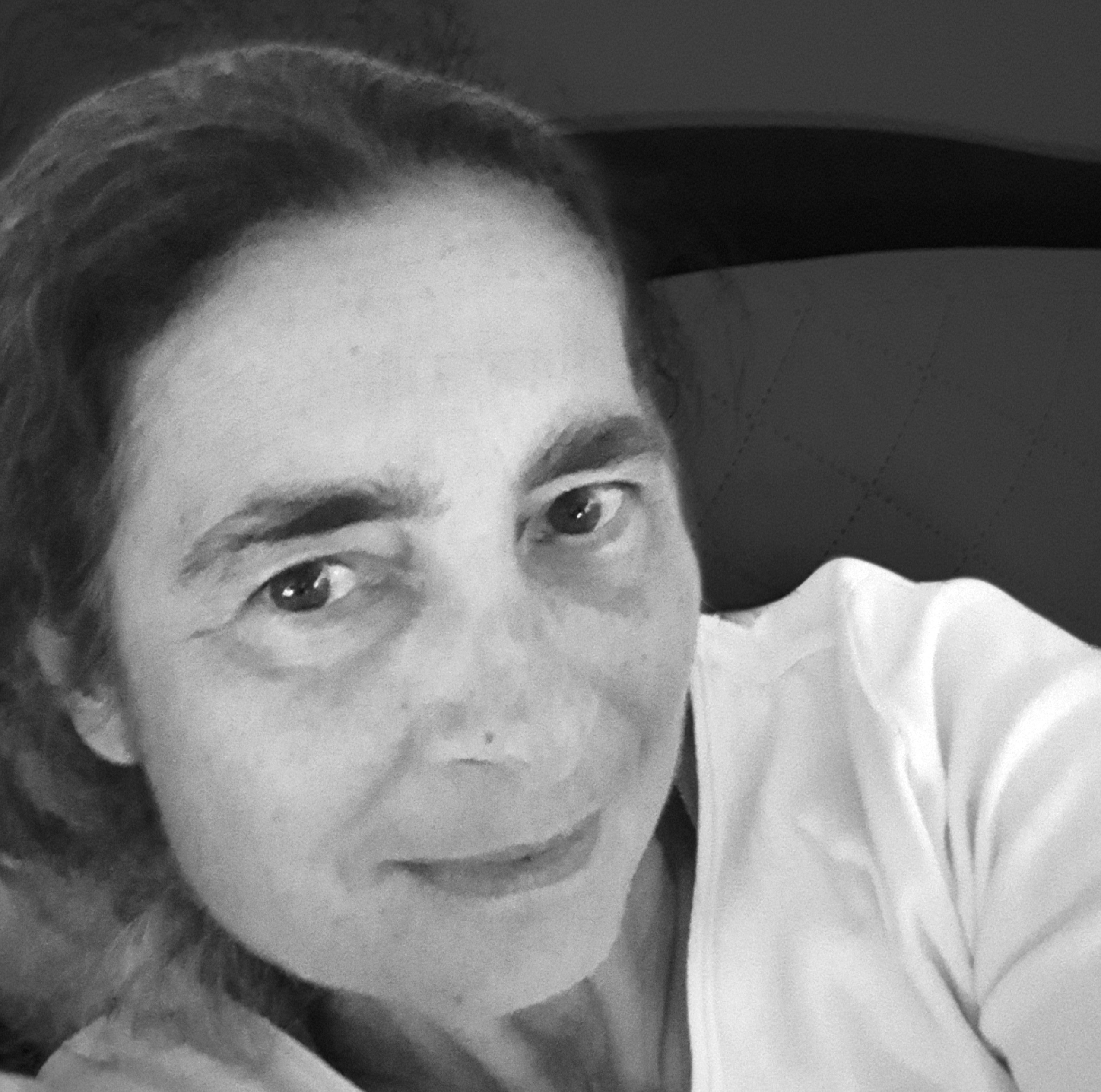
Mag.a Elisabeth Finotti
Economics and resource management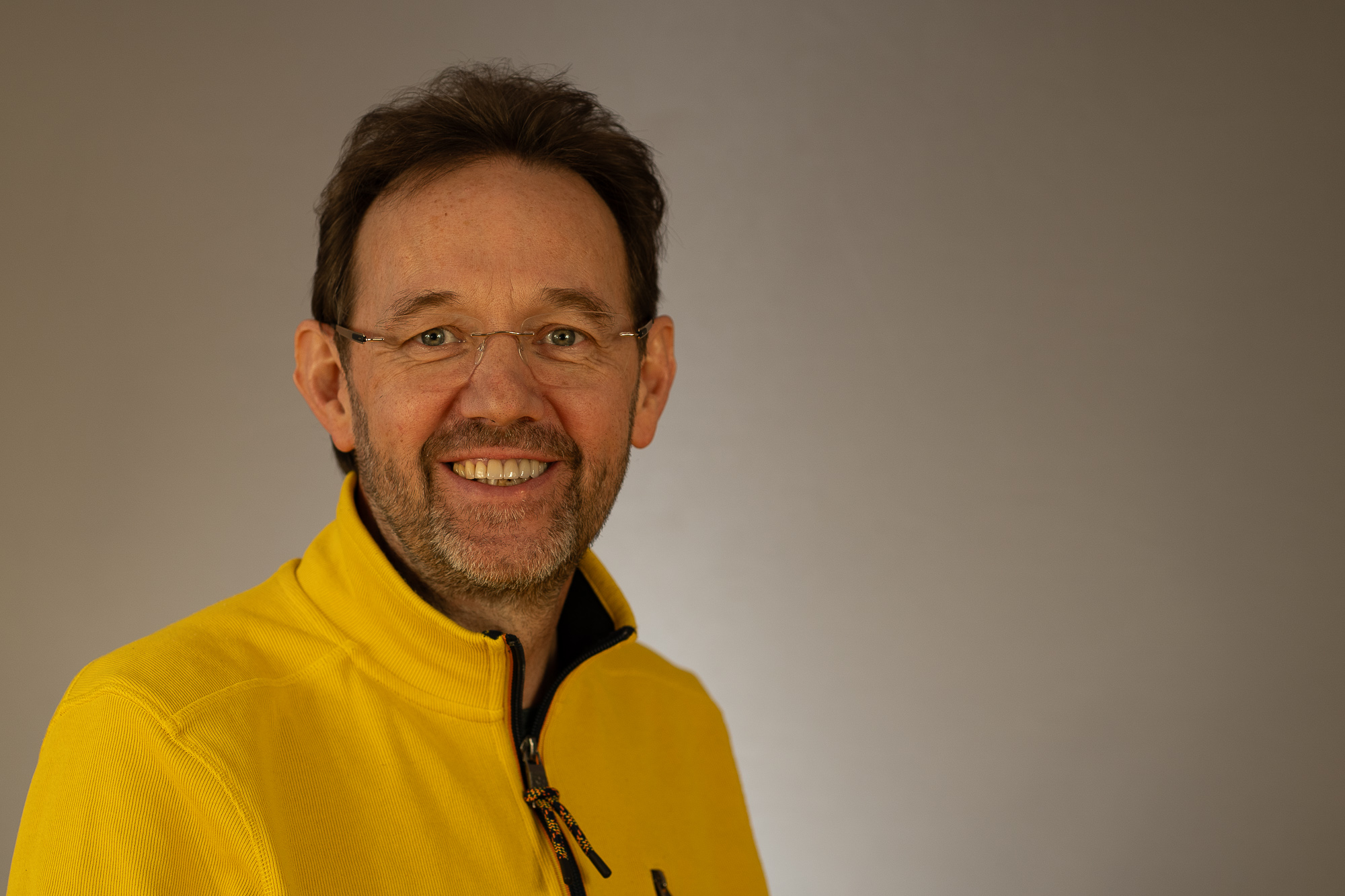
Dr. Thomas Guggenberger, MSc
Head of the Institute for Livestock Research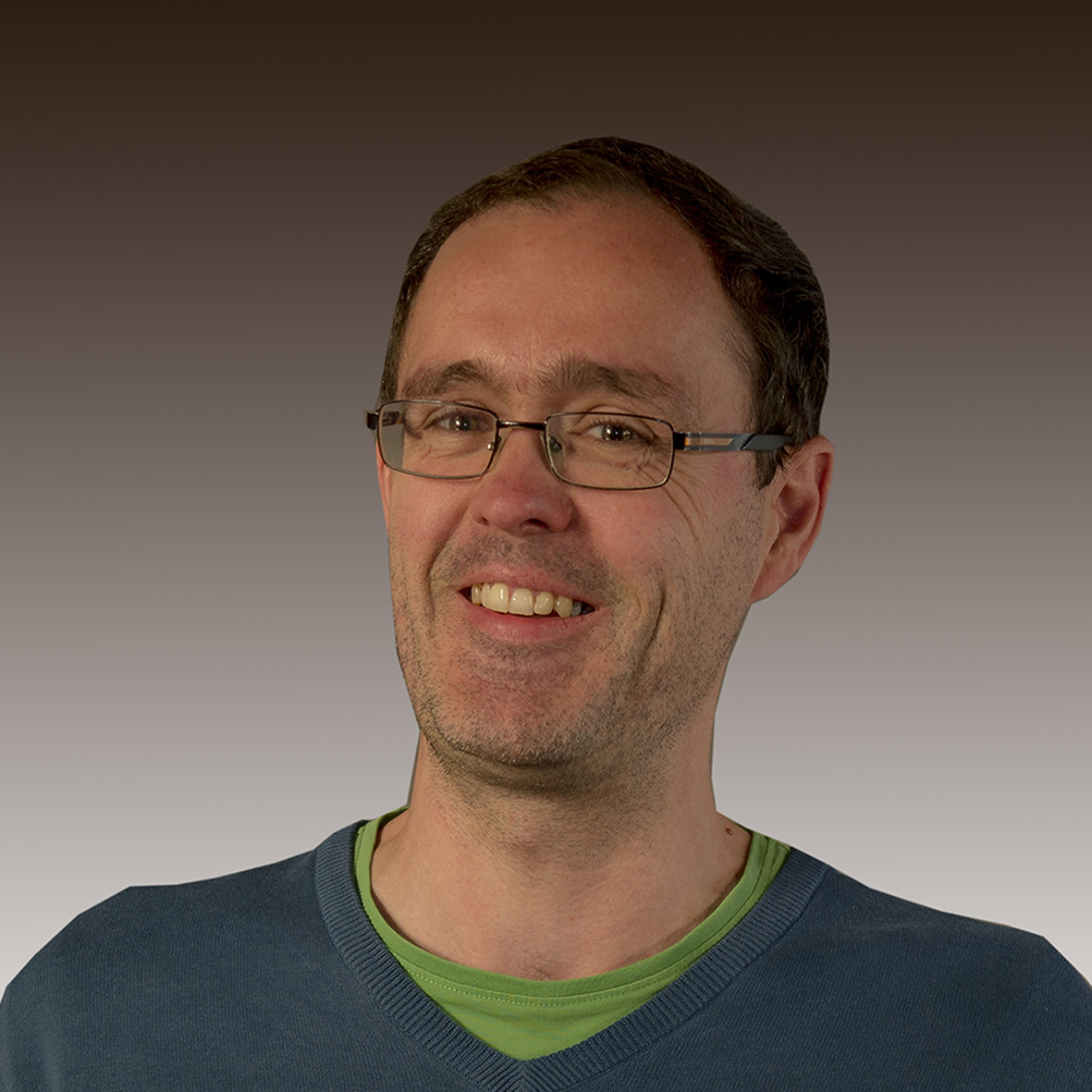
Dr. Markus Herndl
Soil Science and Lysimetry Department, Head of the Eco-Efficiency Research Group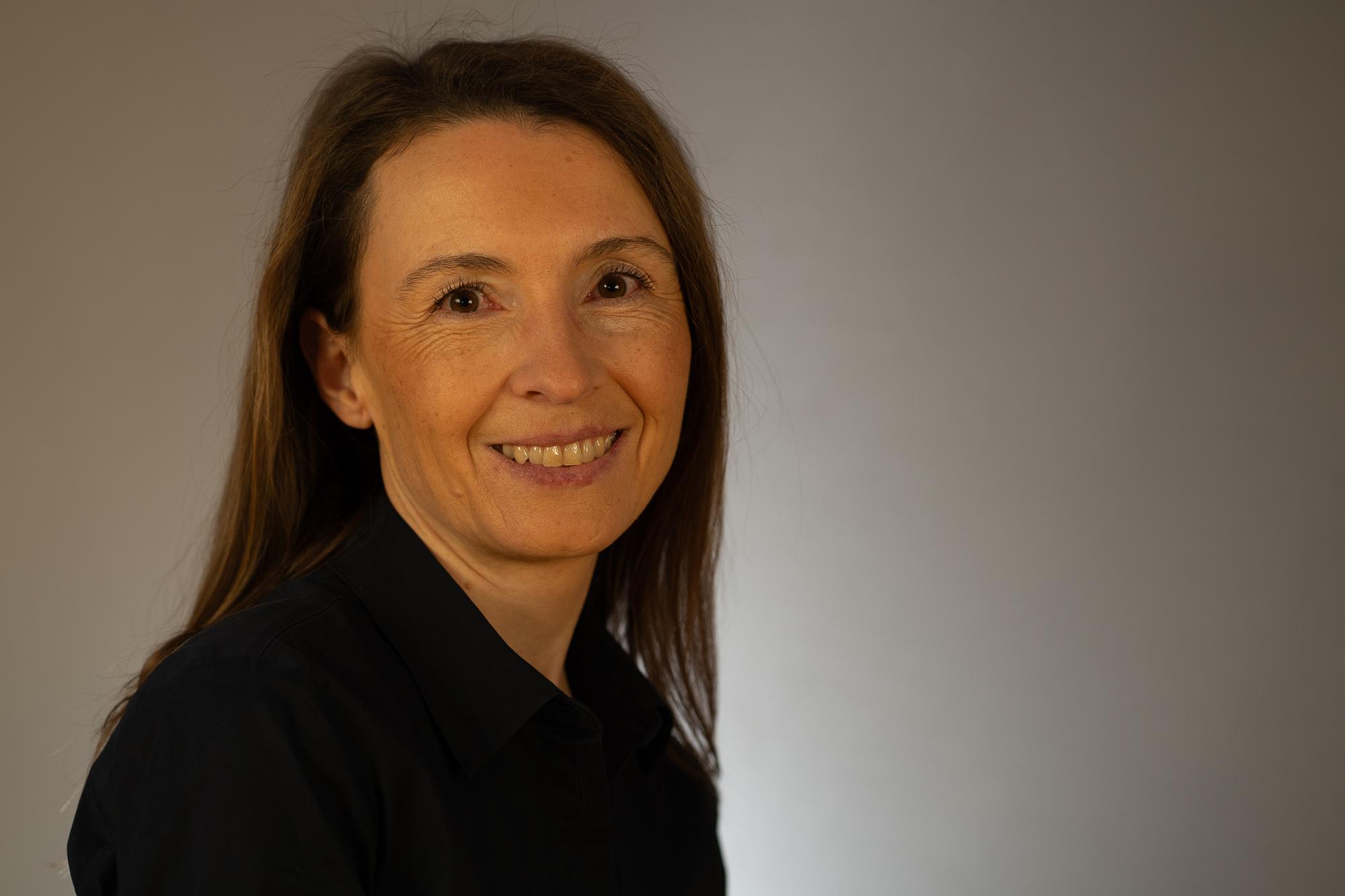
Dr. Elfriede Ofner-Schröck
Head of Institute for Organic Agriculture & Livestock Biodiversity