
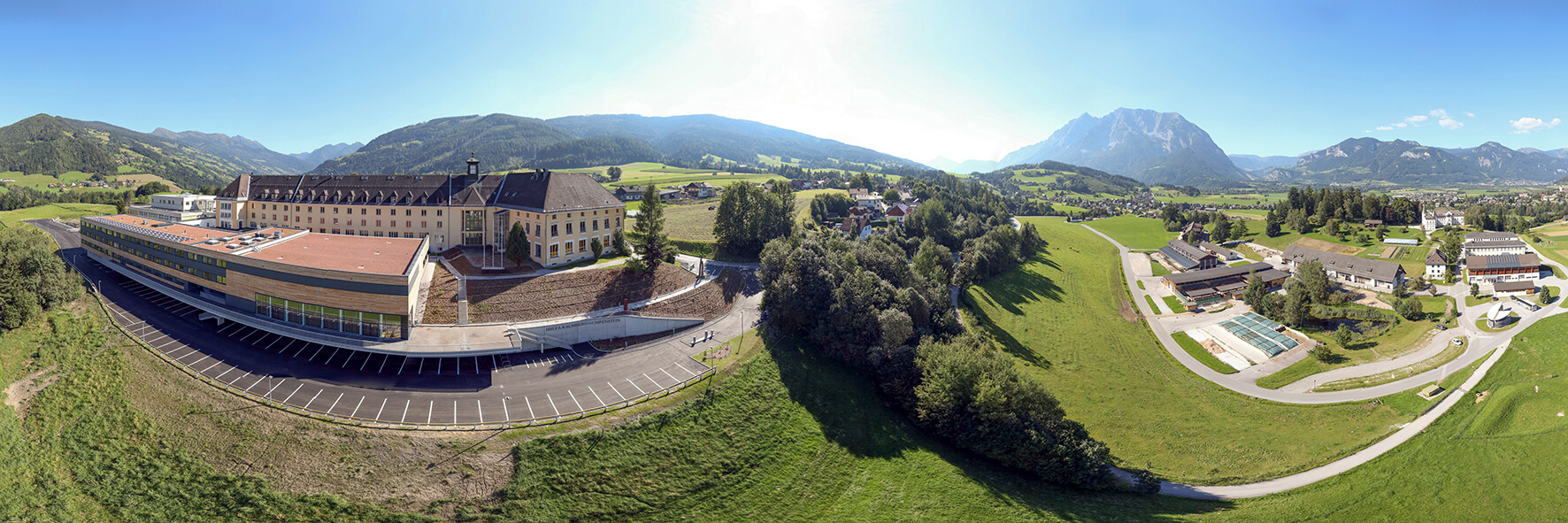
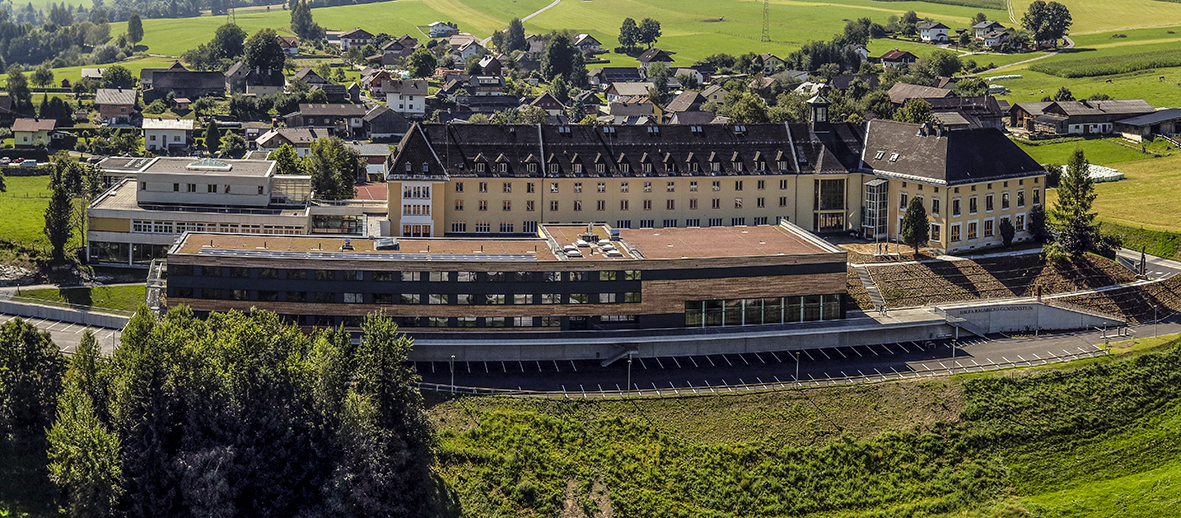
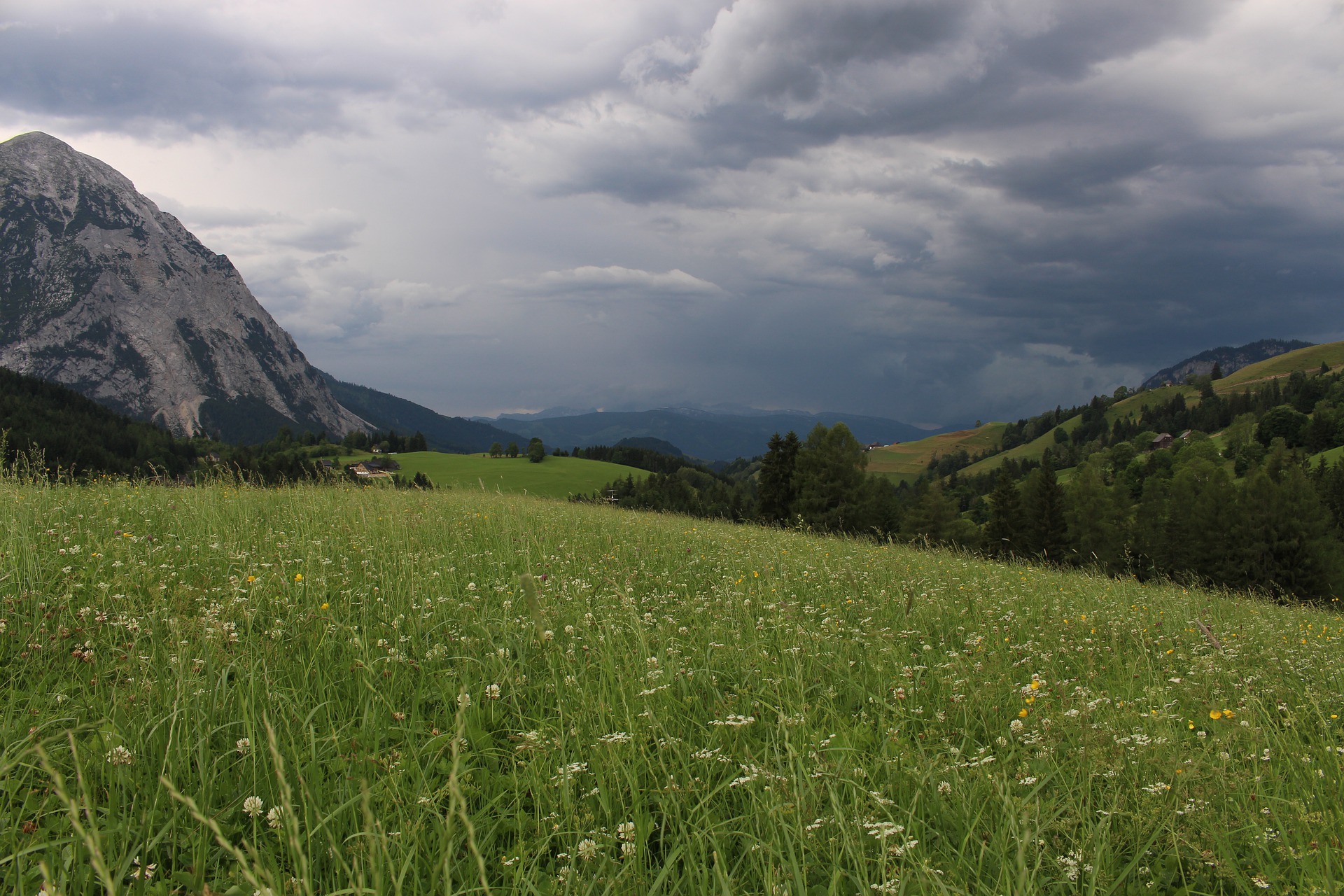
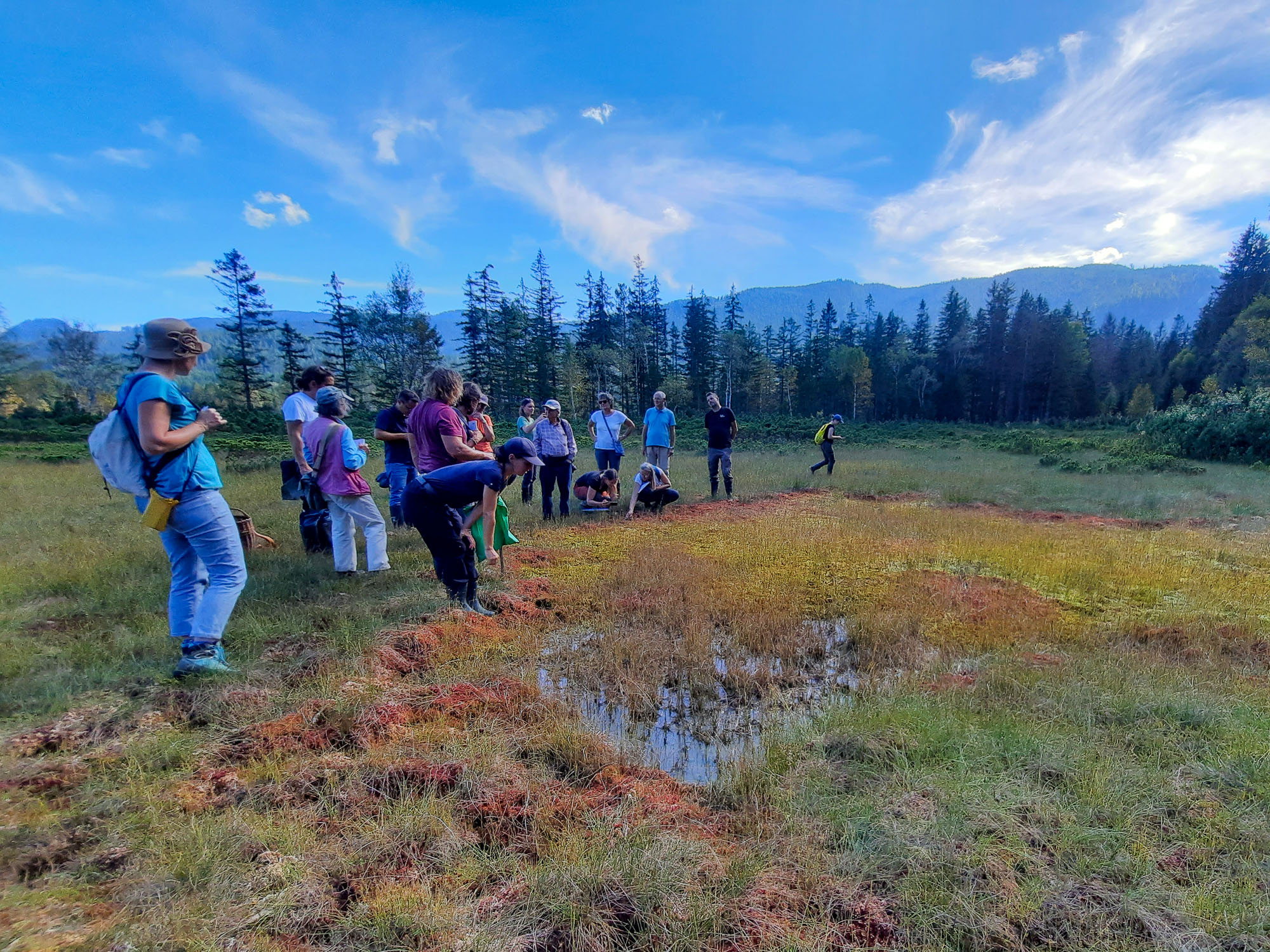
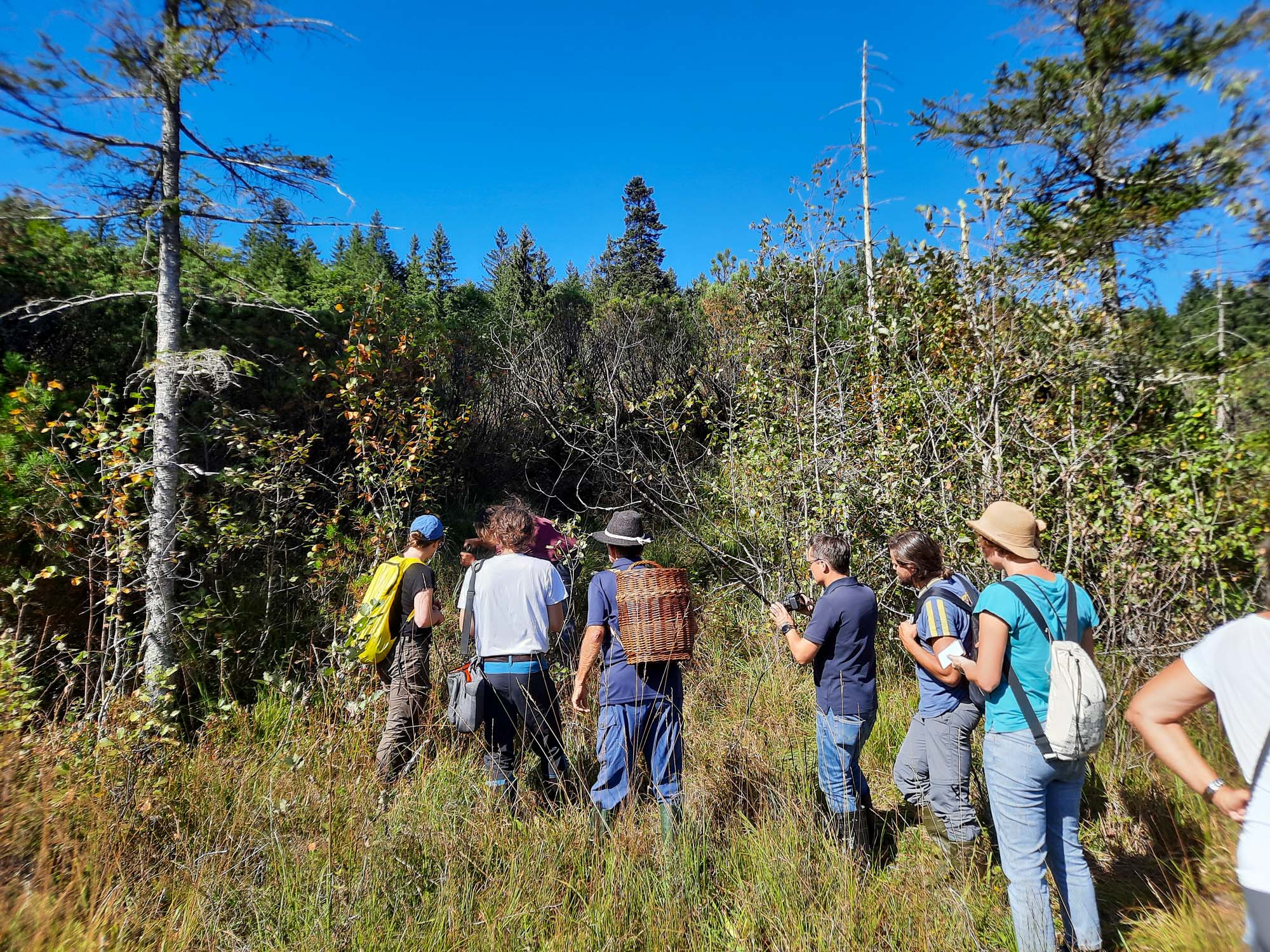
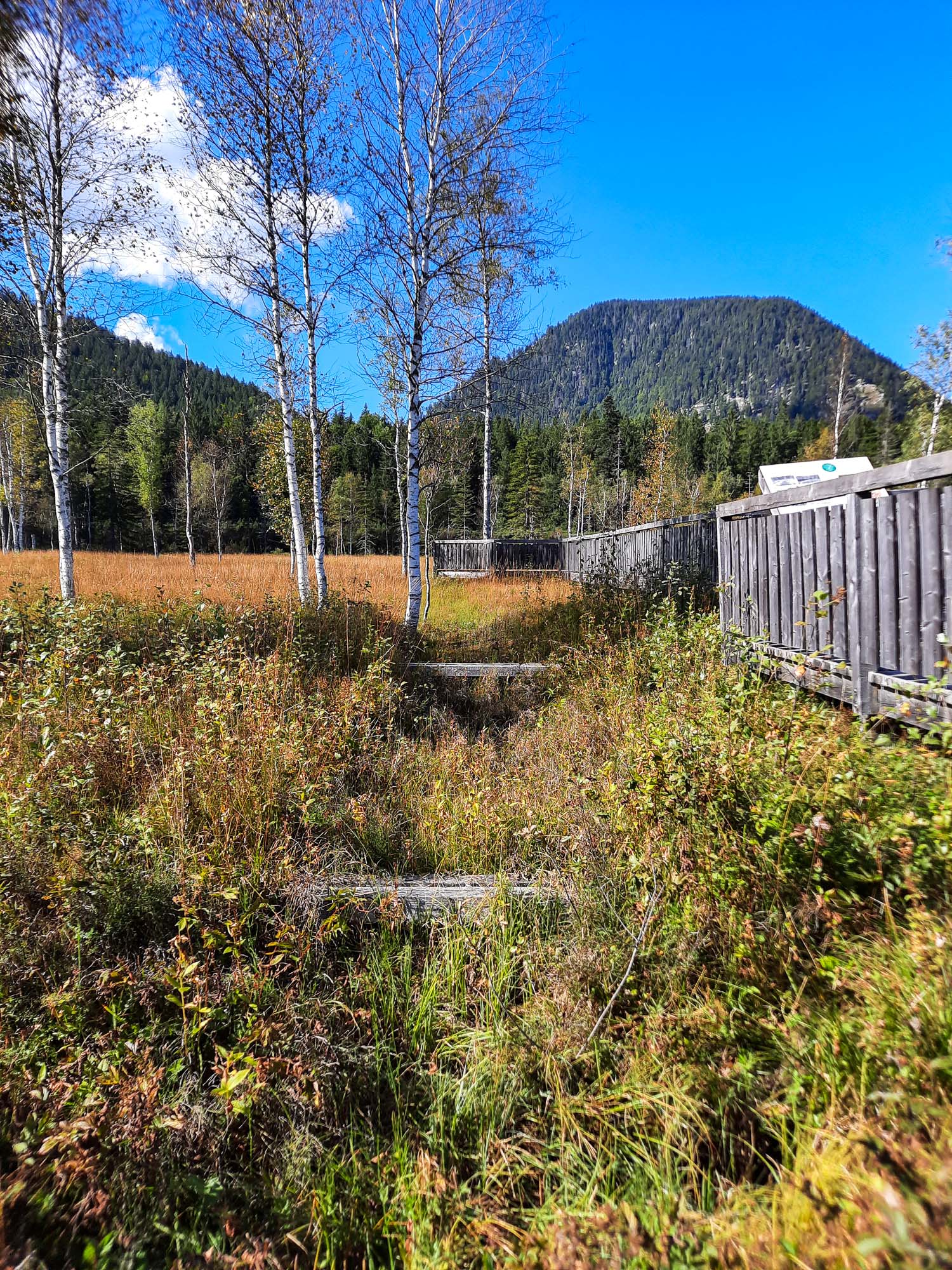
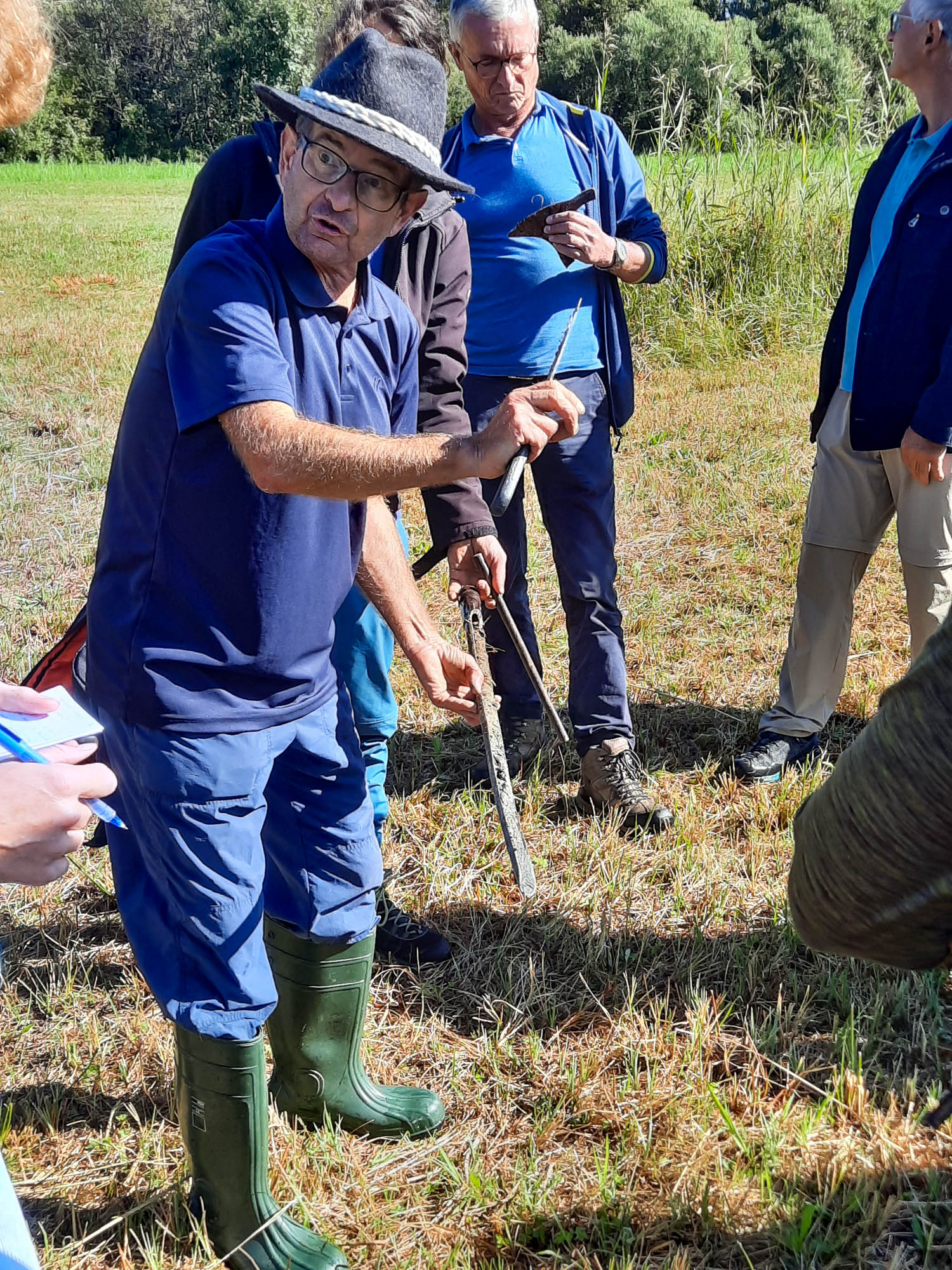
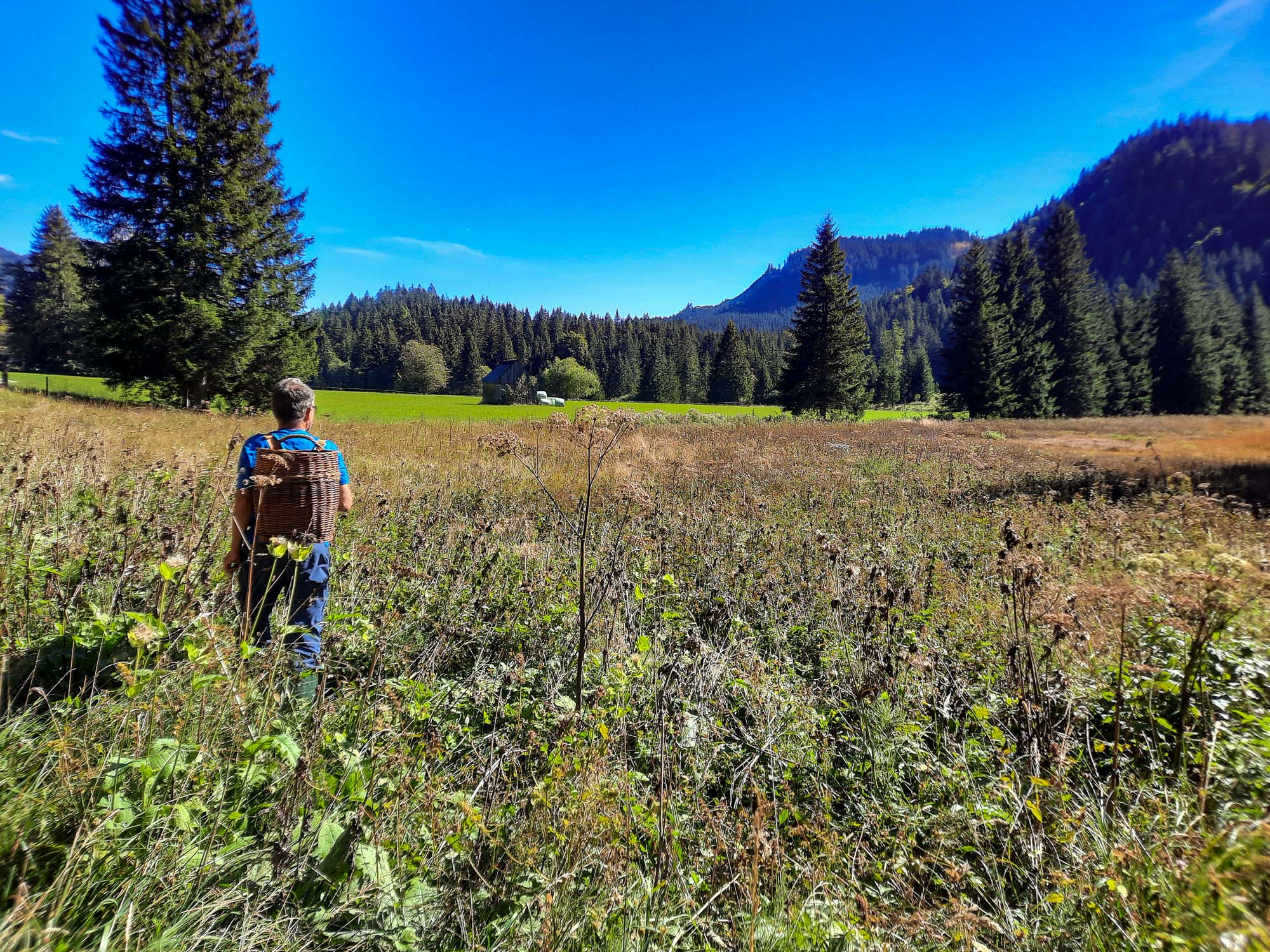
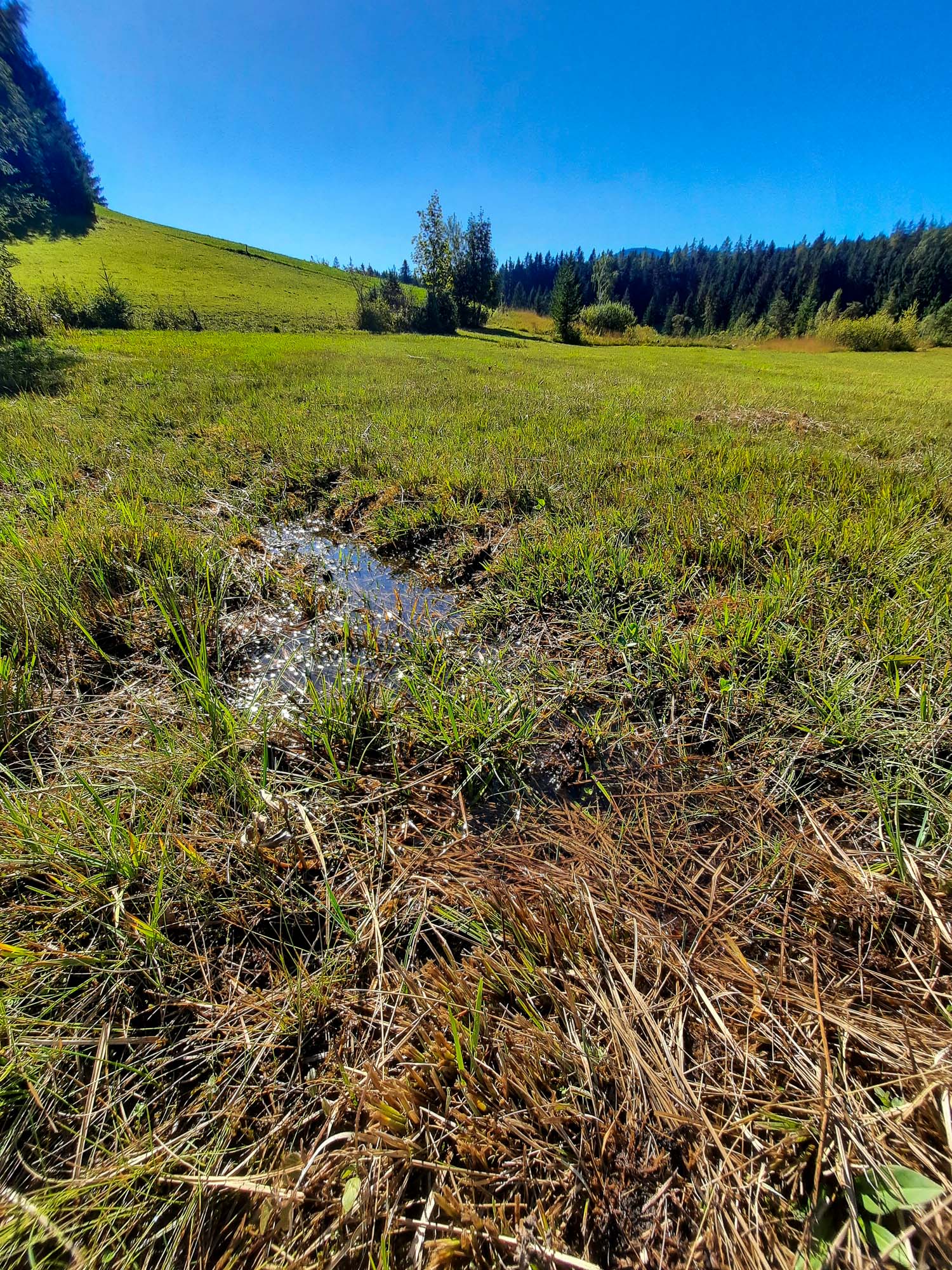
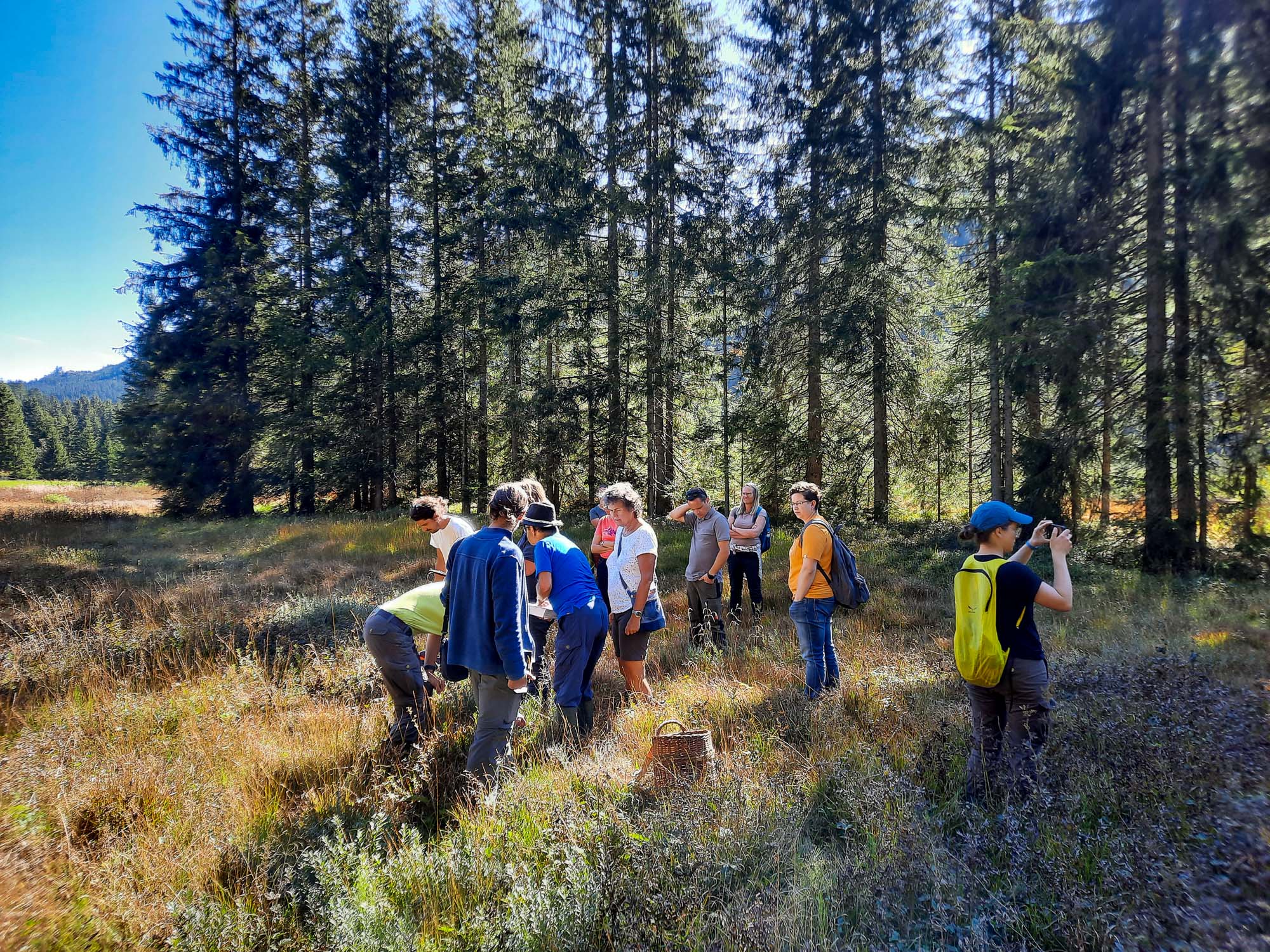
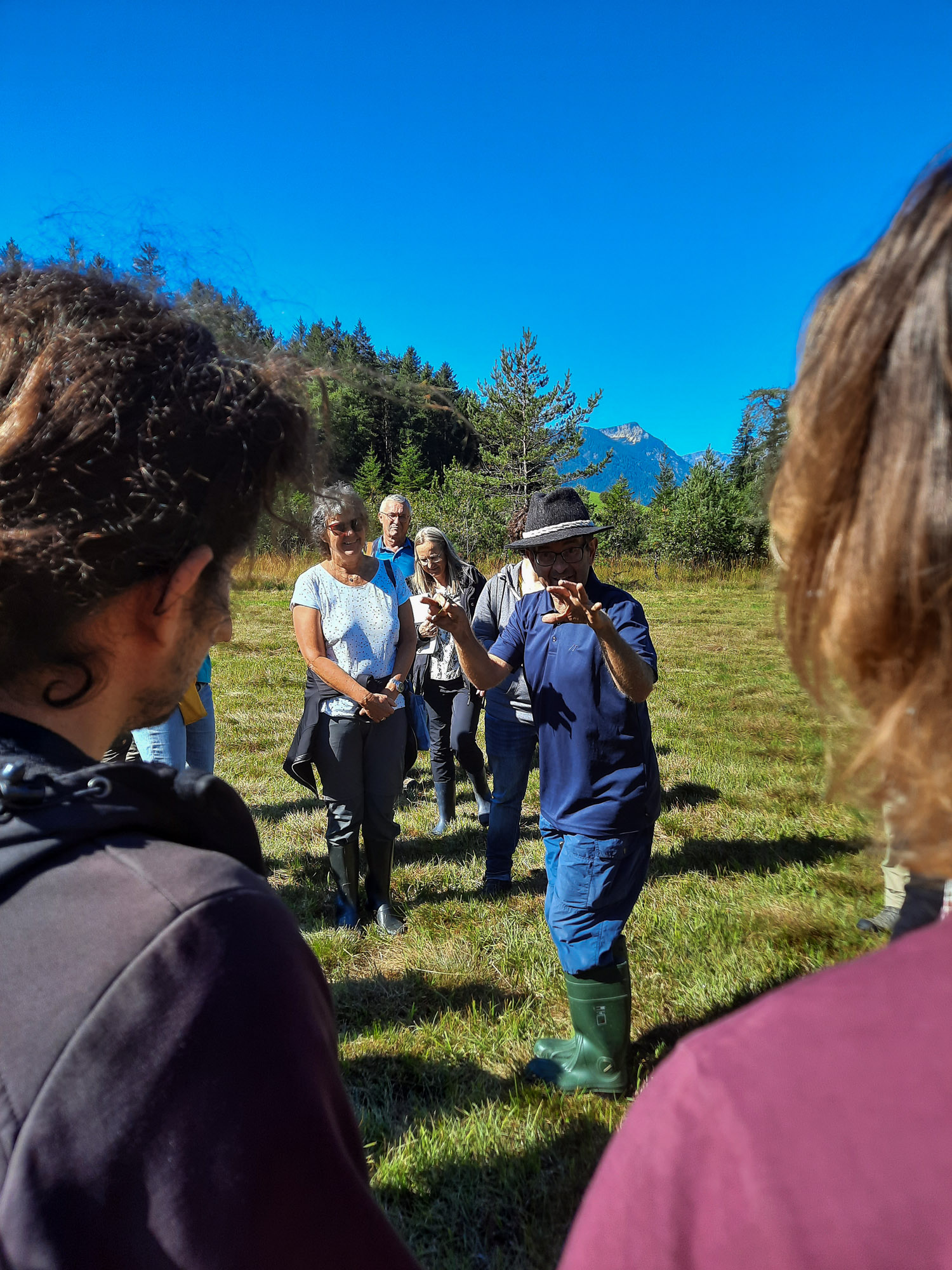
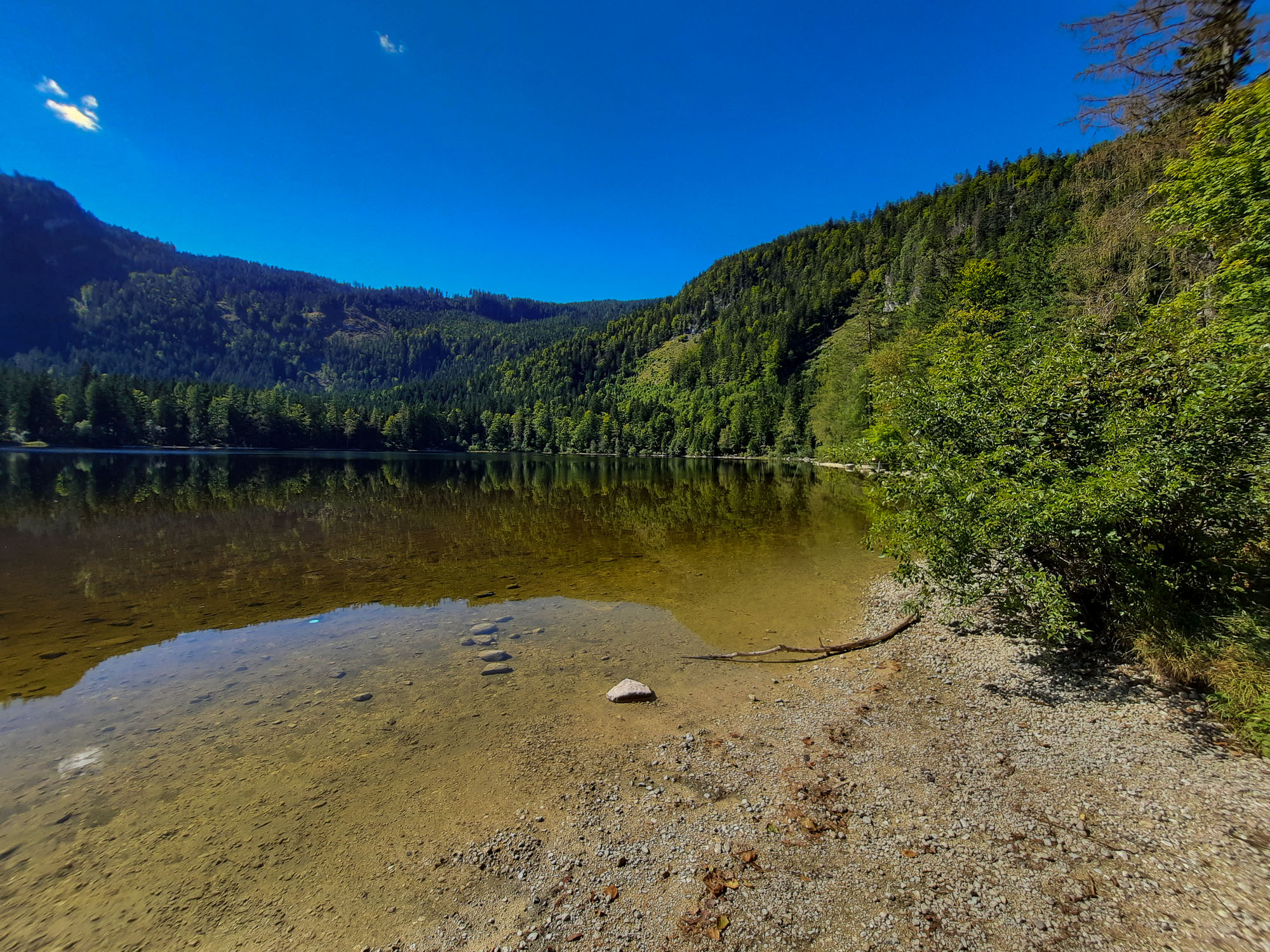
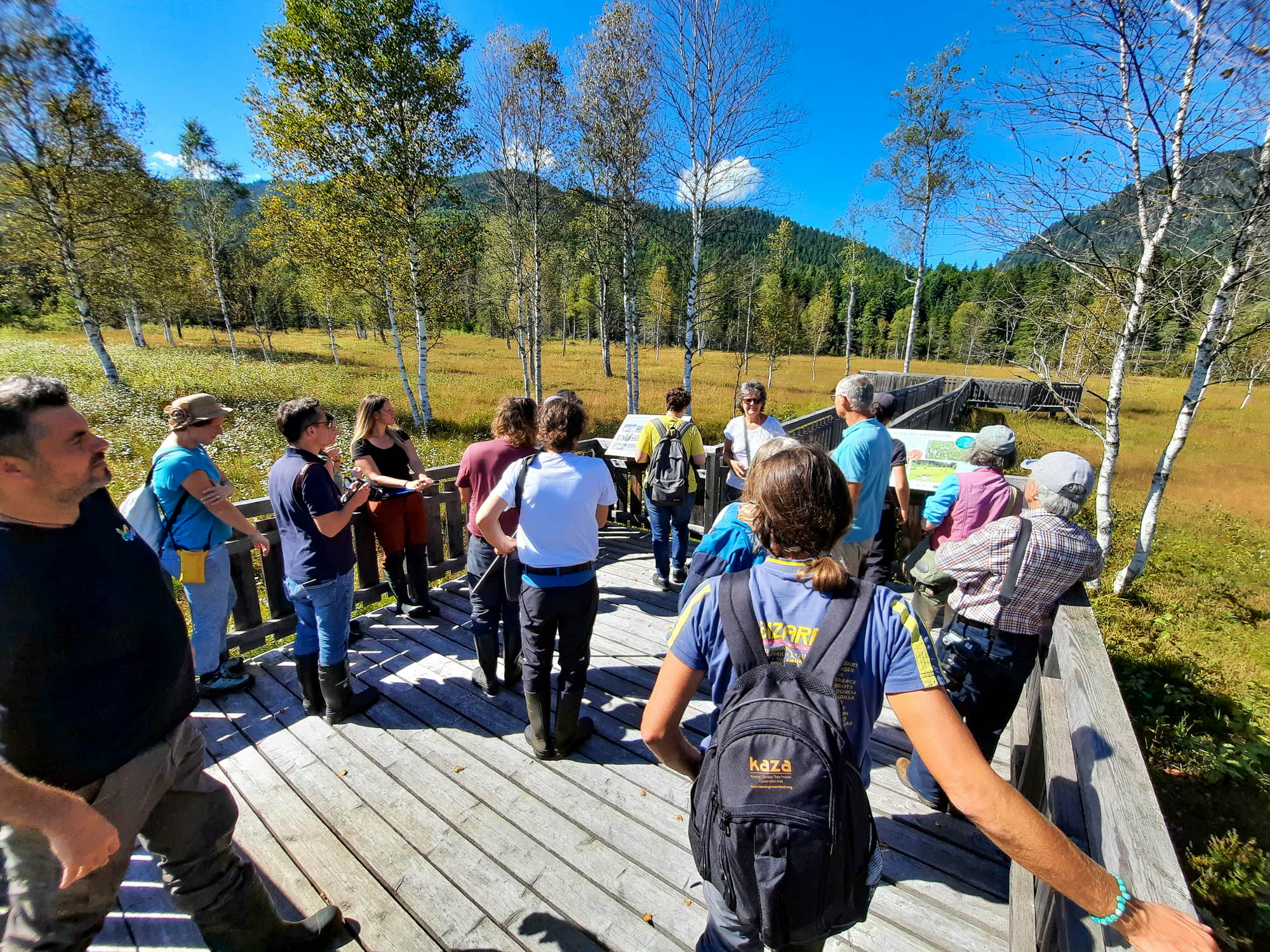
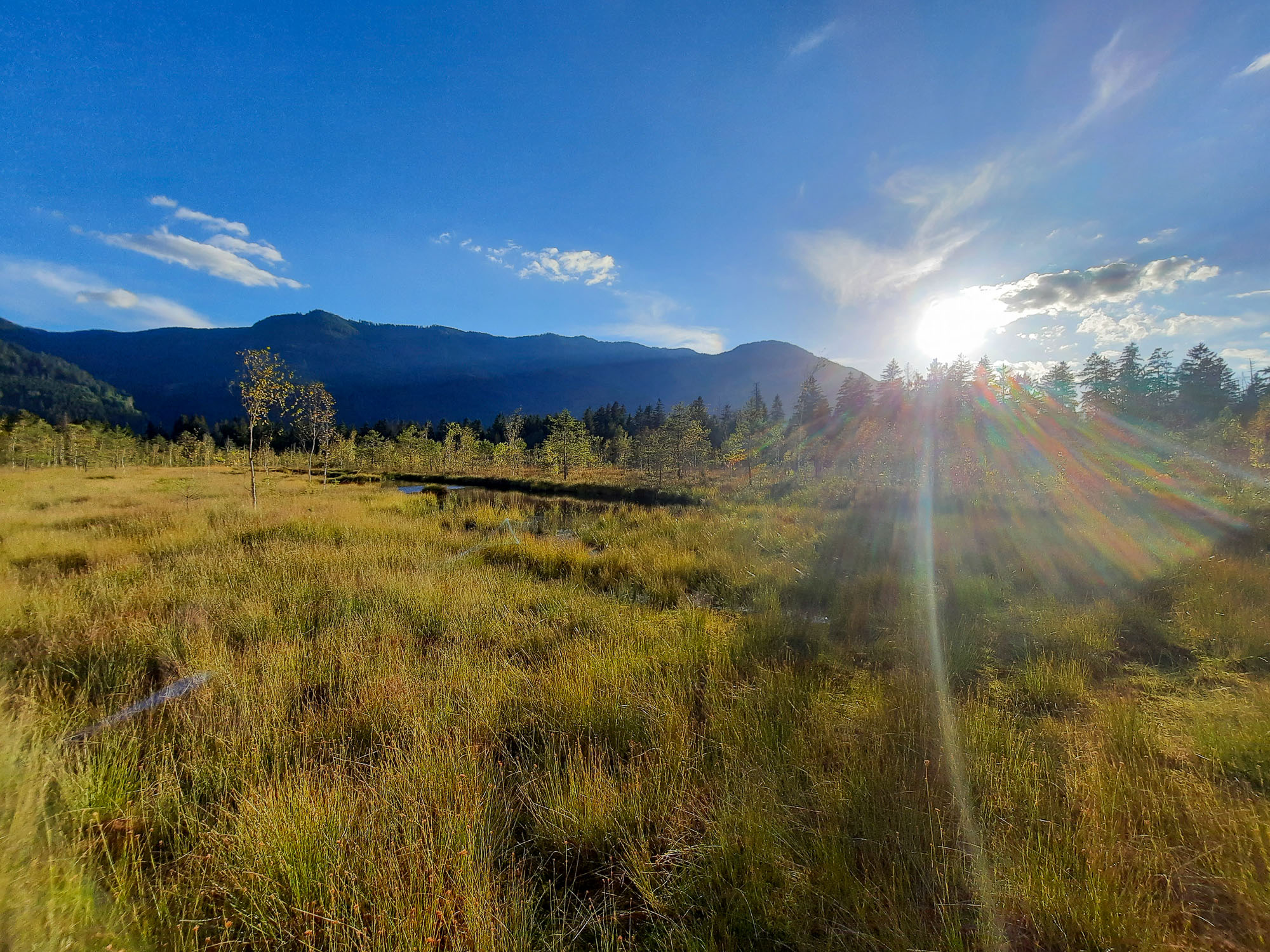
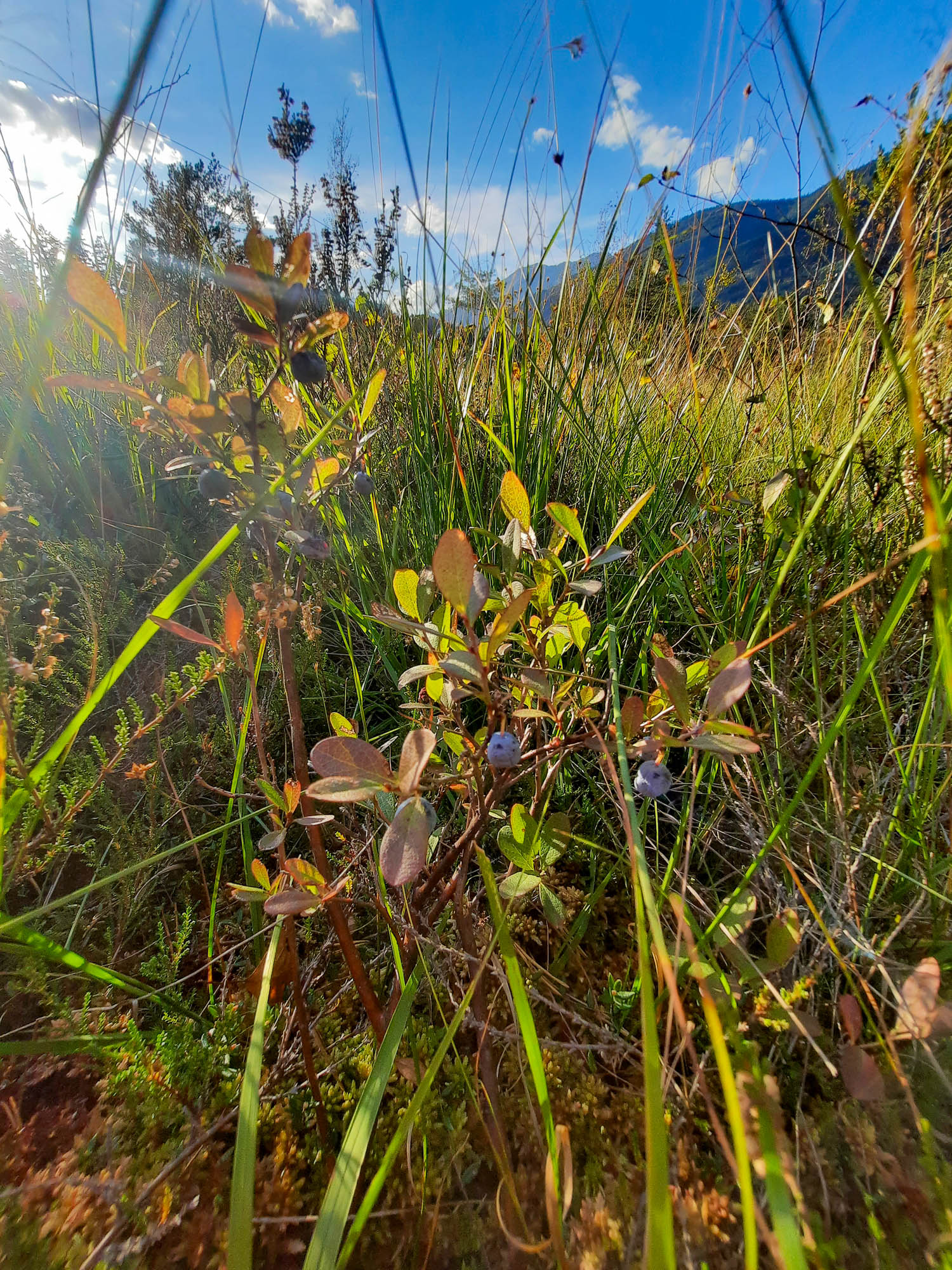
On September 20th and 21st, 2023, the HBLFA Raumberg-Gumpenstein held a moorland excursion in Upper Styria . The following moors were visited:
- Obersdorf Moor,
- Ödensee Moor,
- Pürgschachen Moor,
- Wörschach moss,
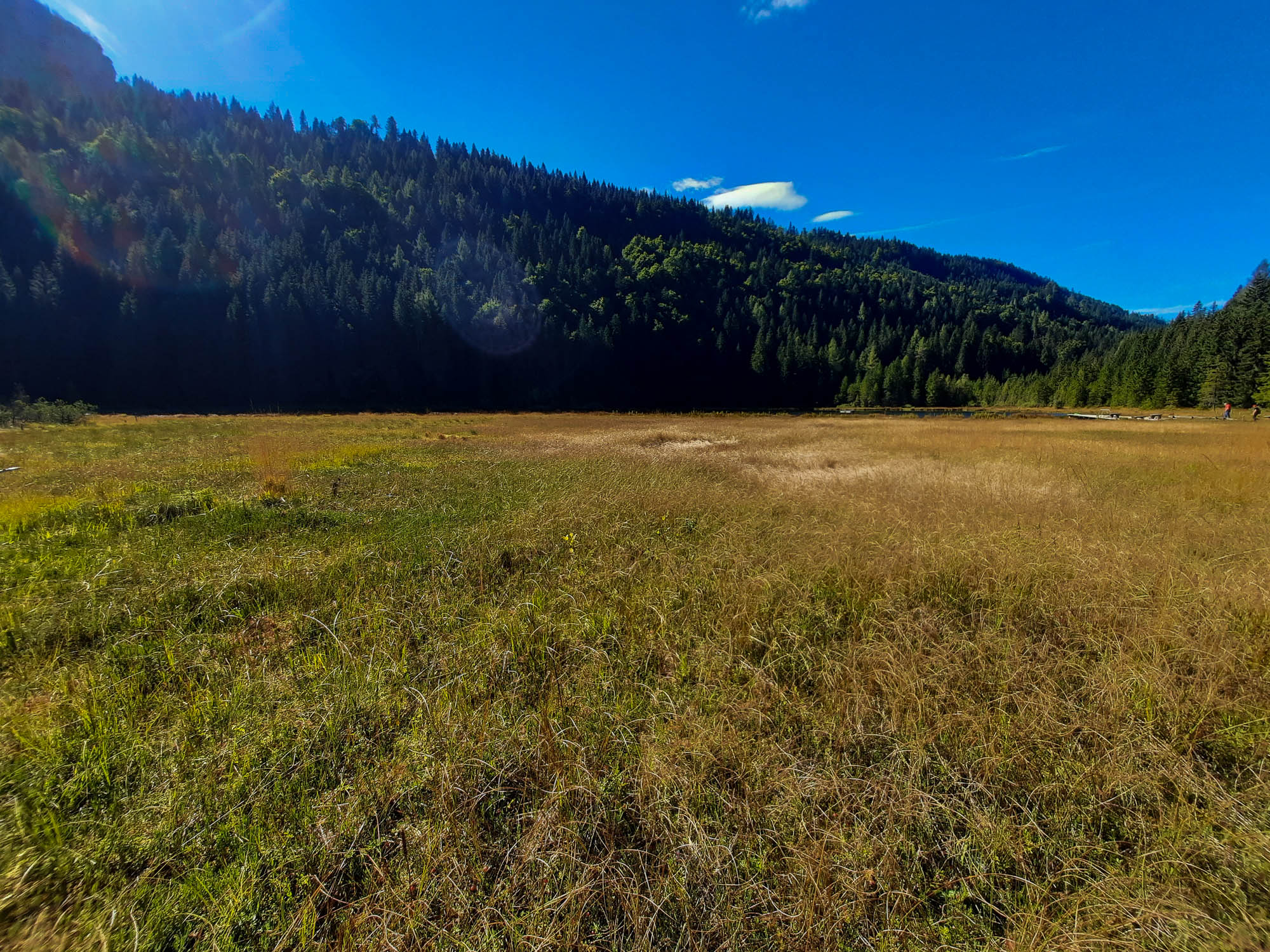
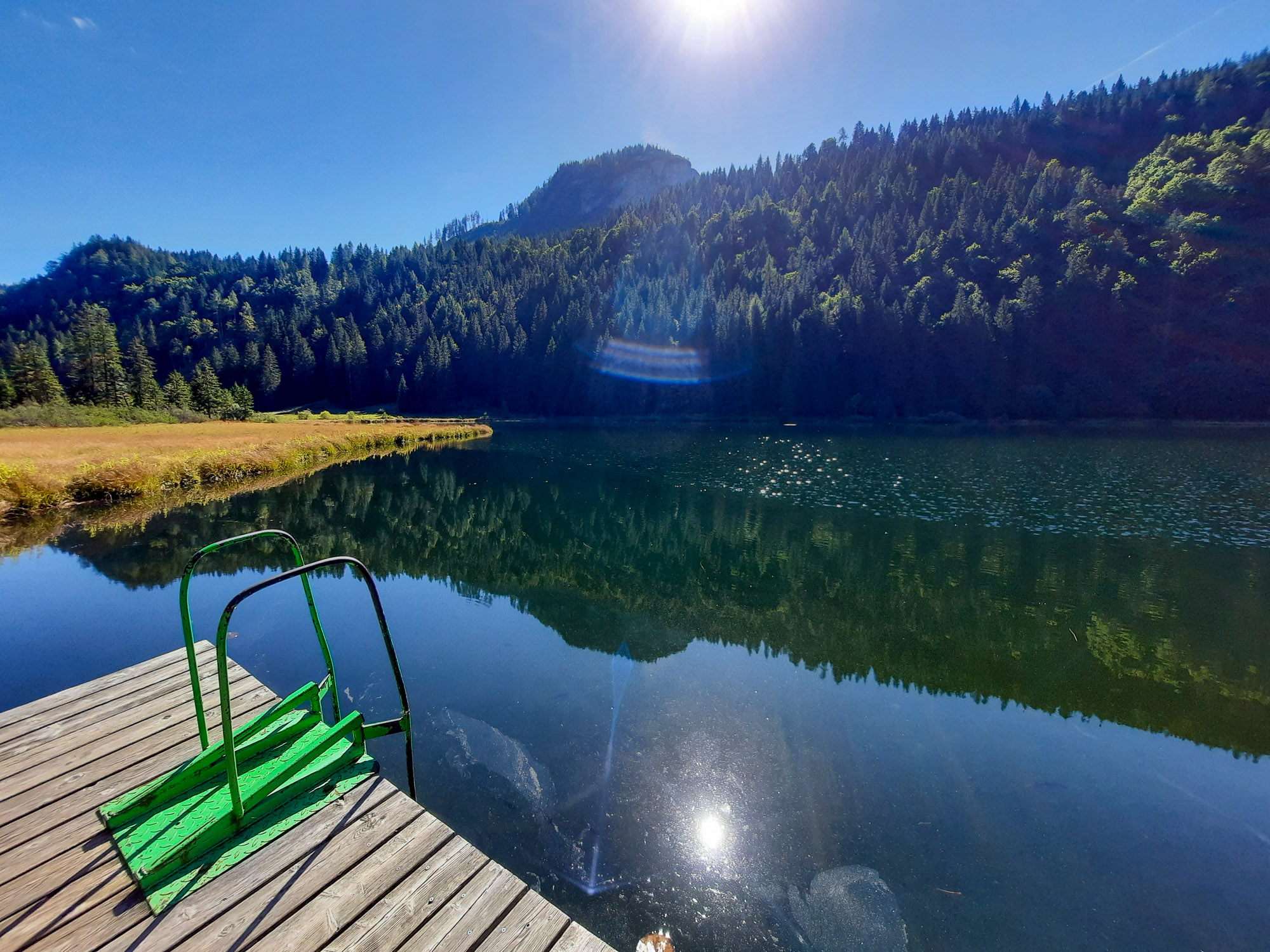
- Moors and swinging lawns at Spechtensee.
In addition, hydromorphic mineral soils (Augleye), moist and wet meadows (slim sedge swamp, reed beds, iris meadows, litter meadows) were found on the - Visited Trautenfels nature conservation areas.
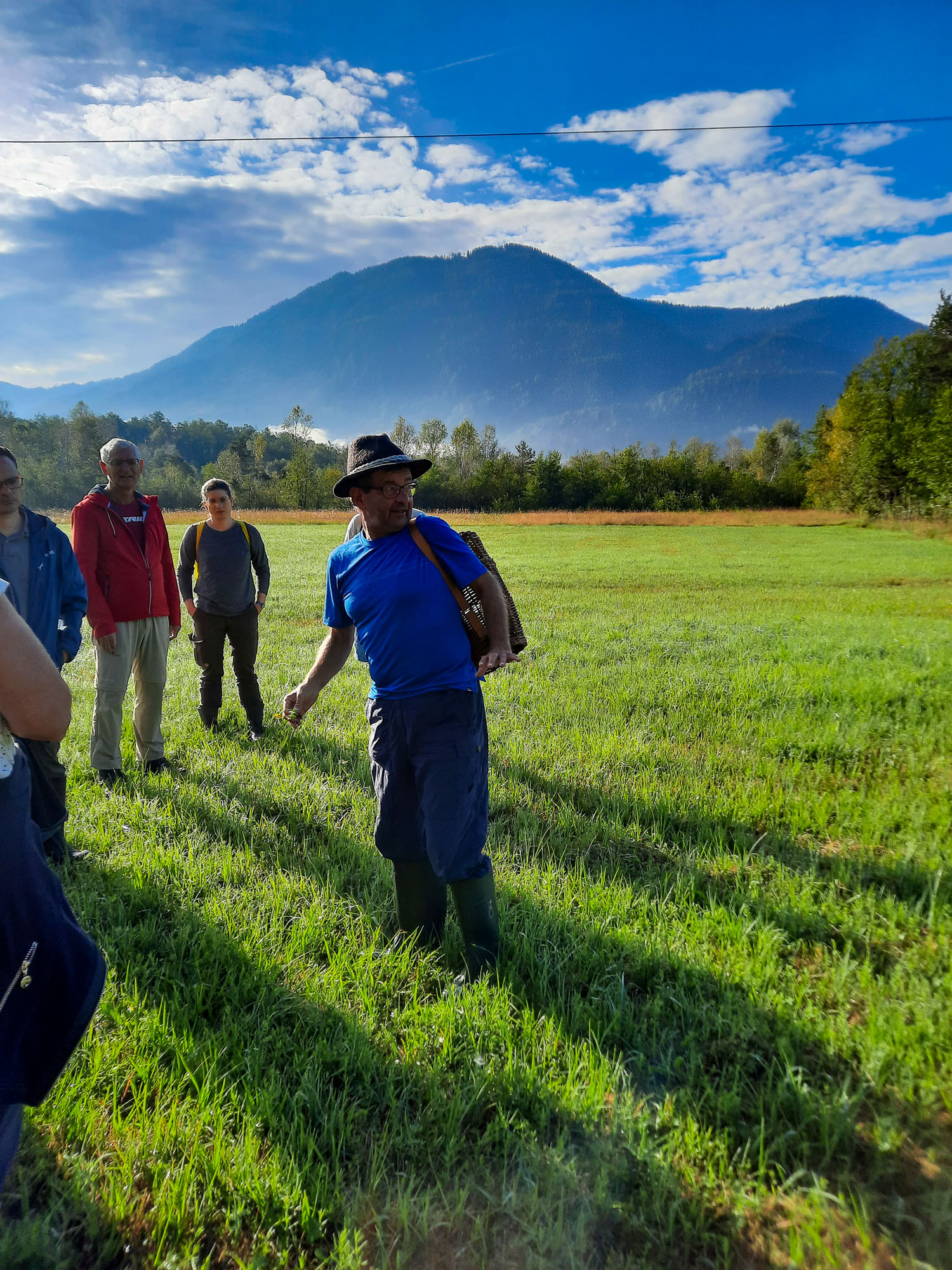
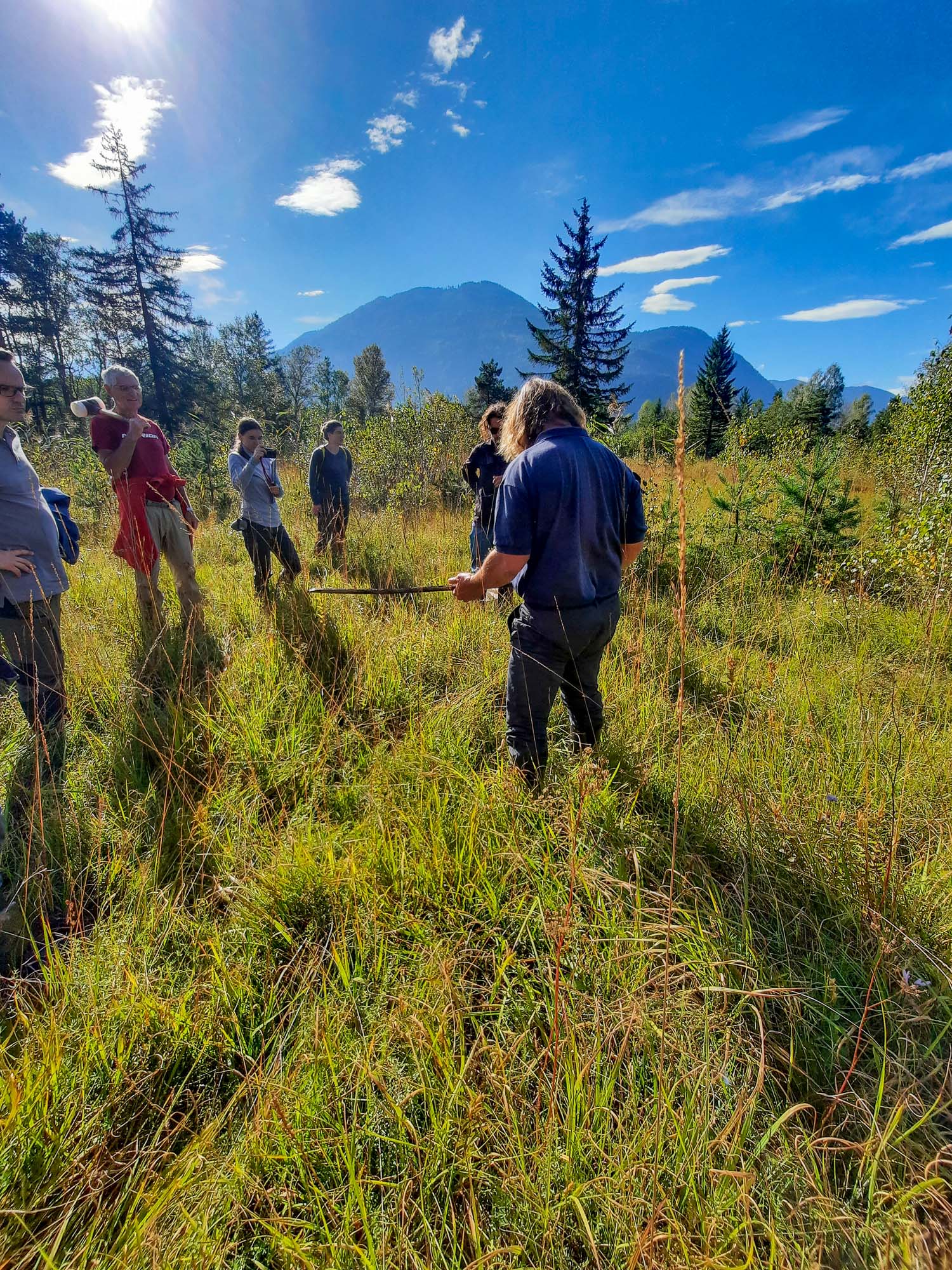
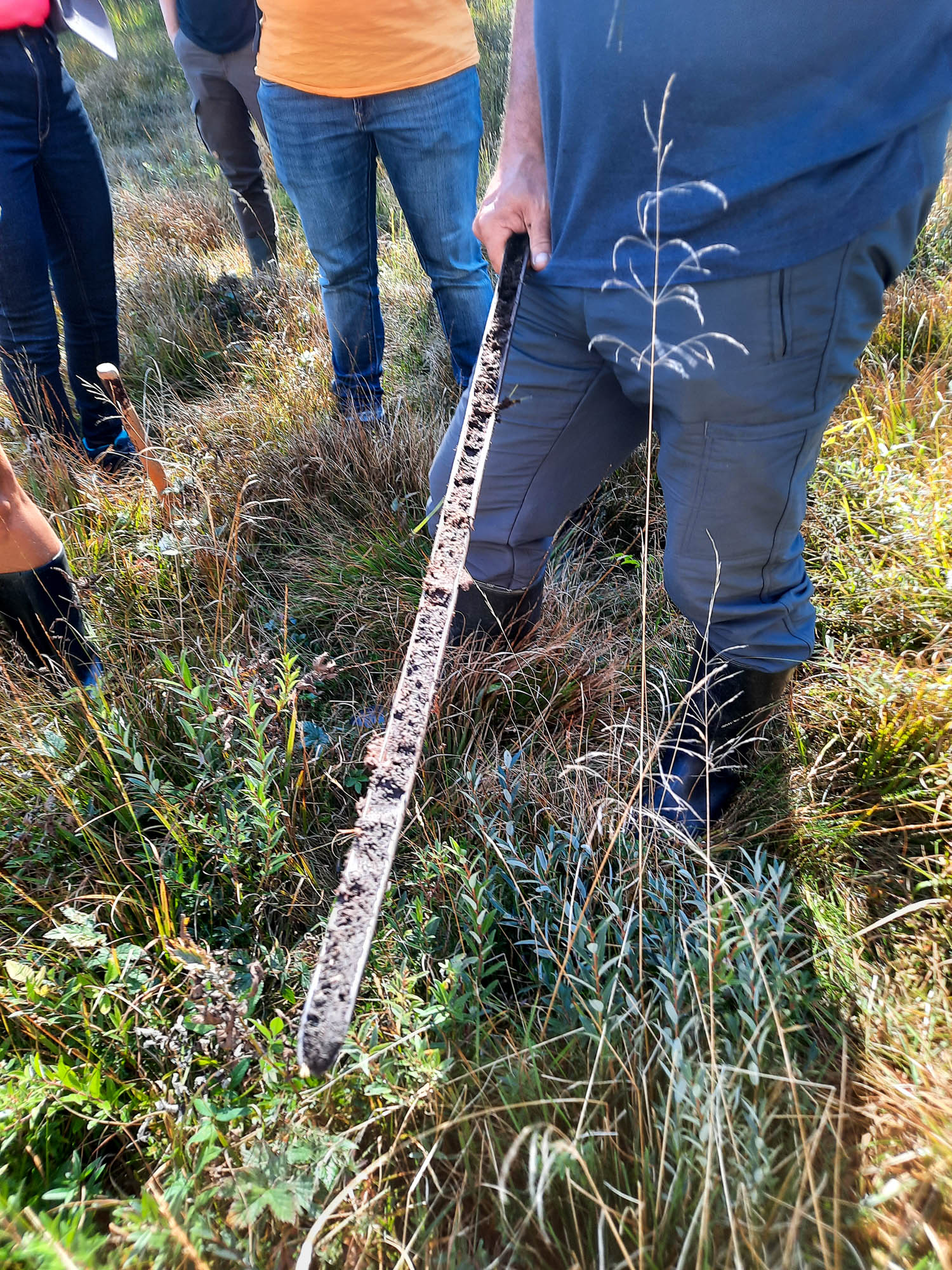
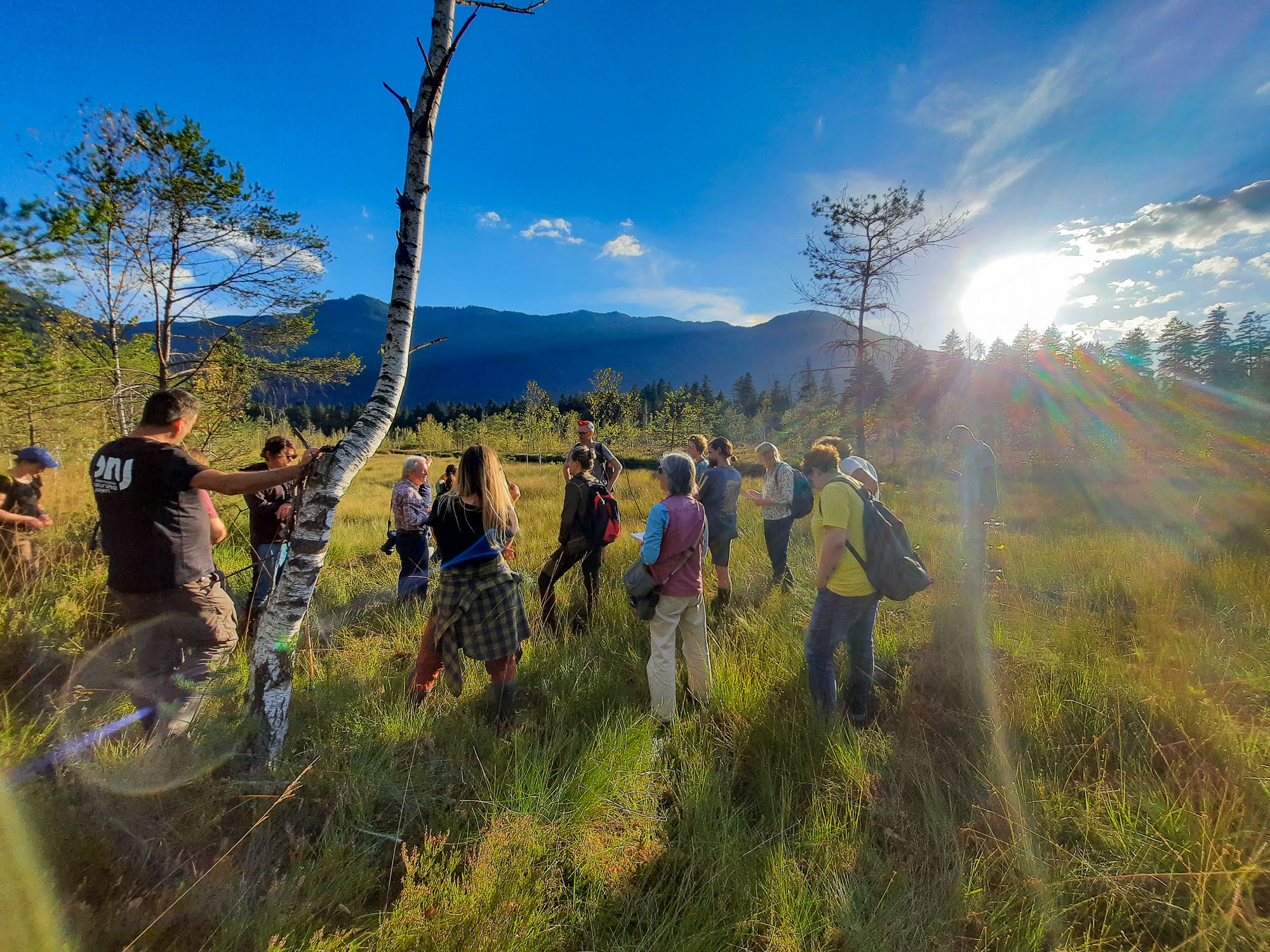
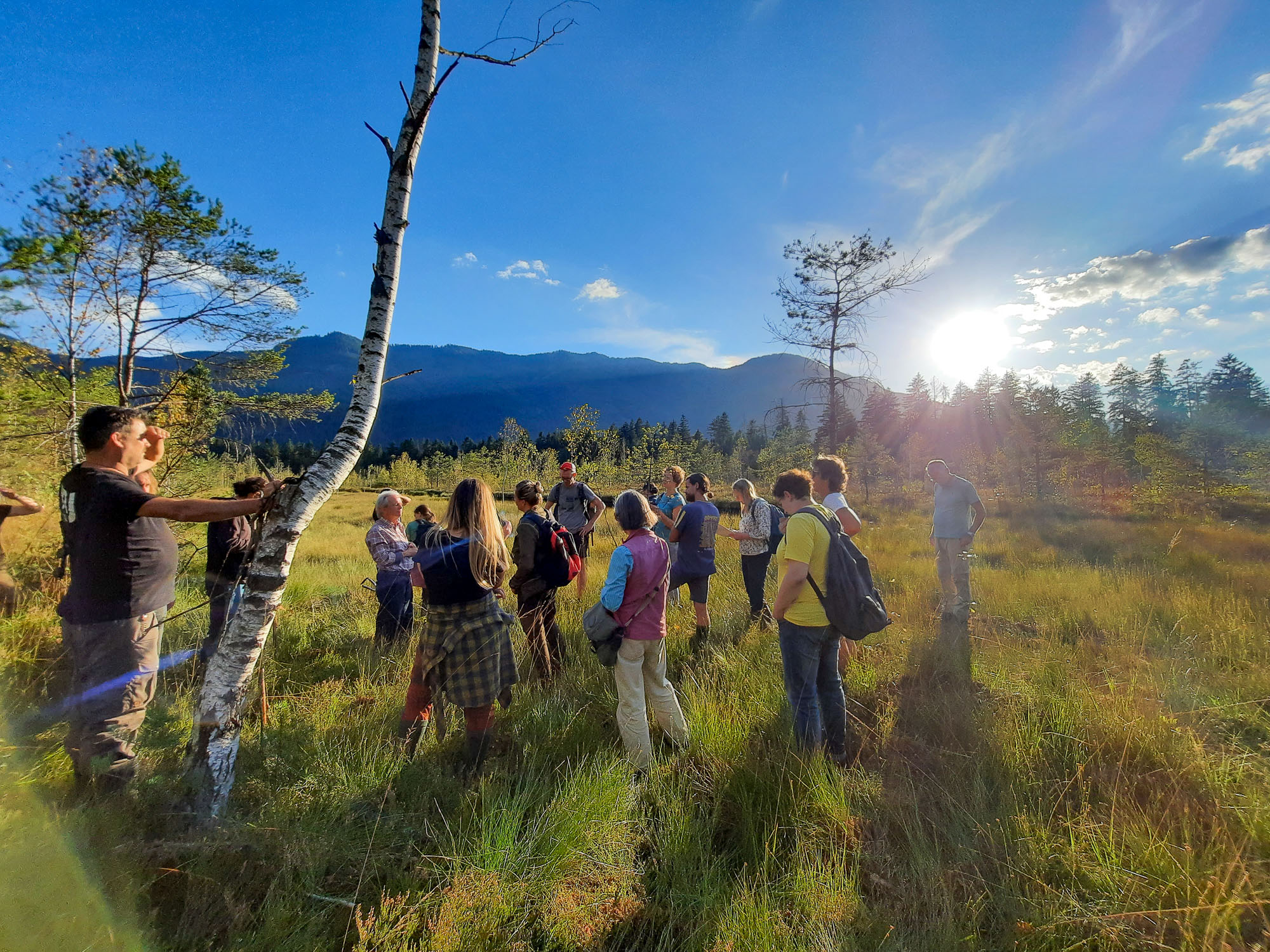
A total of 25 people took part in the excursion. The excursion participants were soil scientists, botanists, zoologists, hydrobiologists, agricultural and nature conservation experts. Soil science, floristic, plant sociology, nature conservation and agricultural topics were discussed in the area.
The primary aim of the moor excursion was to bring together scientists, employees of public administration and private companies as well as stakeholders in agriculture and nature conservation to discuss moor protection, rewetting of moors and agricultural use of moors.
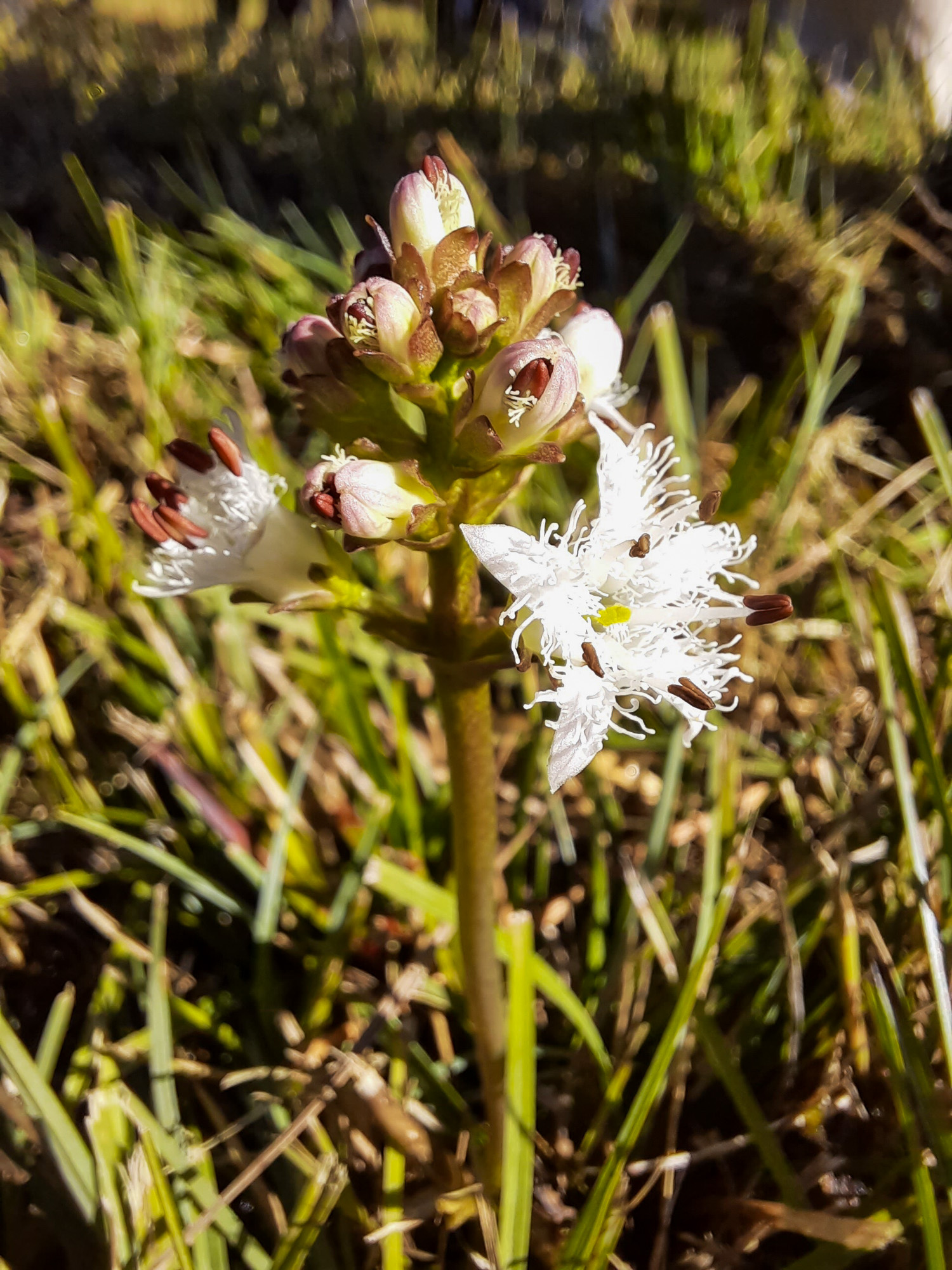
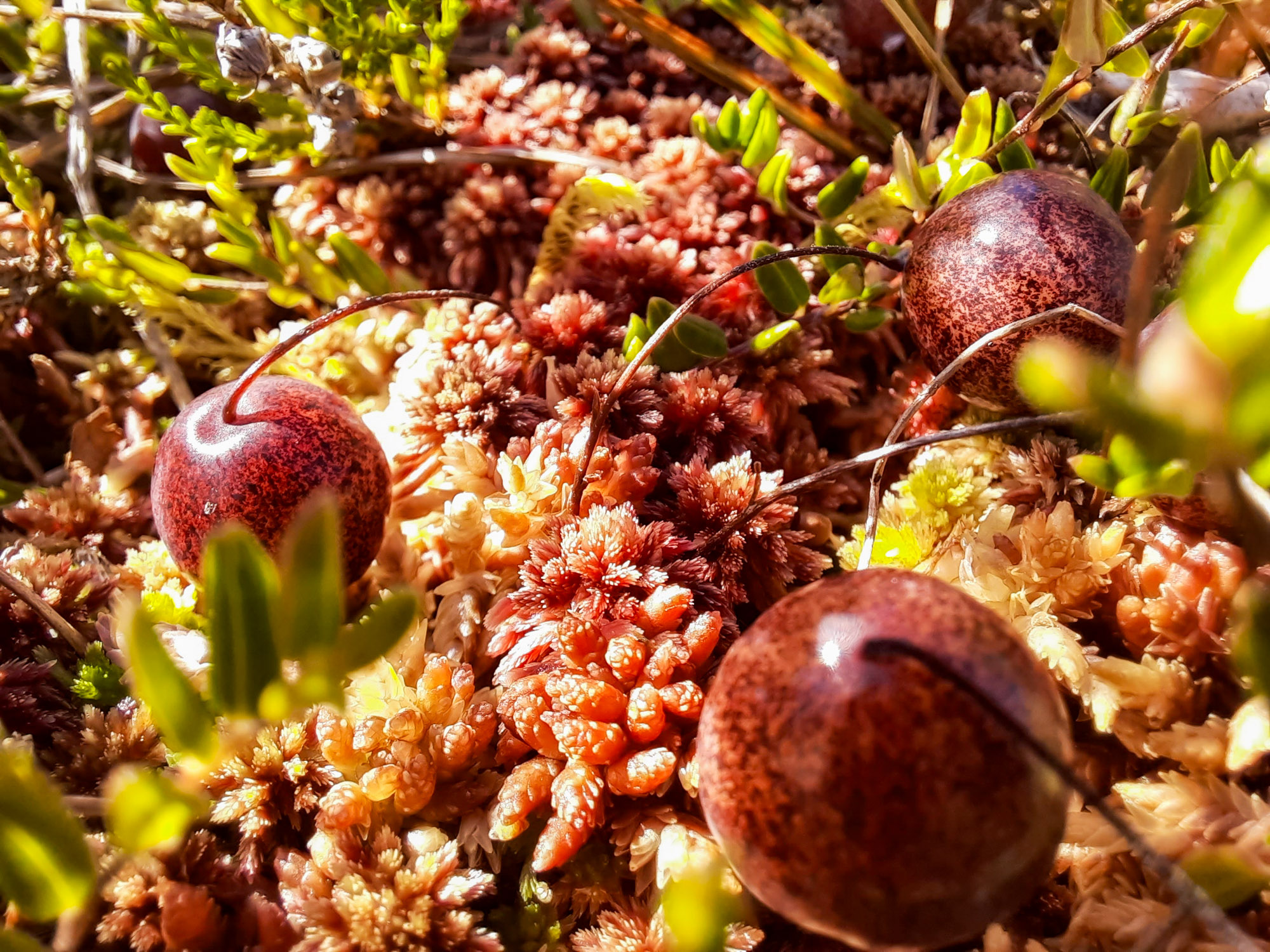
Bogs are peat-forming plant communities with characteristic species. They provide numerous ecosystem services and fulfill important landscape ecological functions. The protection and preservation of moors is therefore an important concern in the European Union. Moor protection also means climate protection, because intact (hydrologically largely undisturbed) moors sequester a lot of carbon. In addition, moors are habitats for numerous very rare, highly endangered or endangered animal and plant species throughout Austria. They are therefore of great importance for biodiversity.
We would like to thank Dr. Andreas Bohner and Franziska Schrempf for the technical and organizational management of the moor excursion.
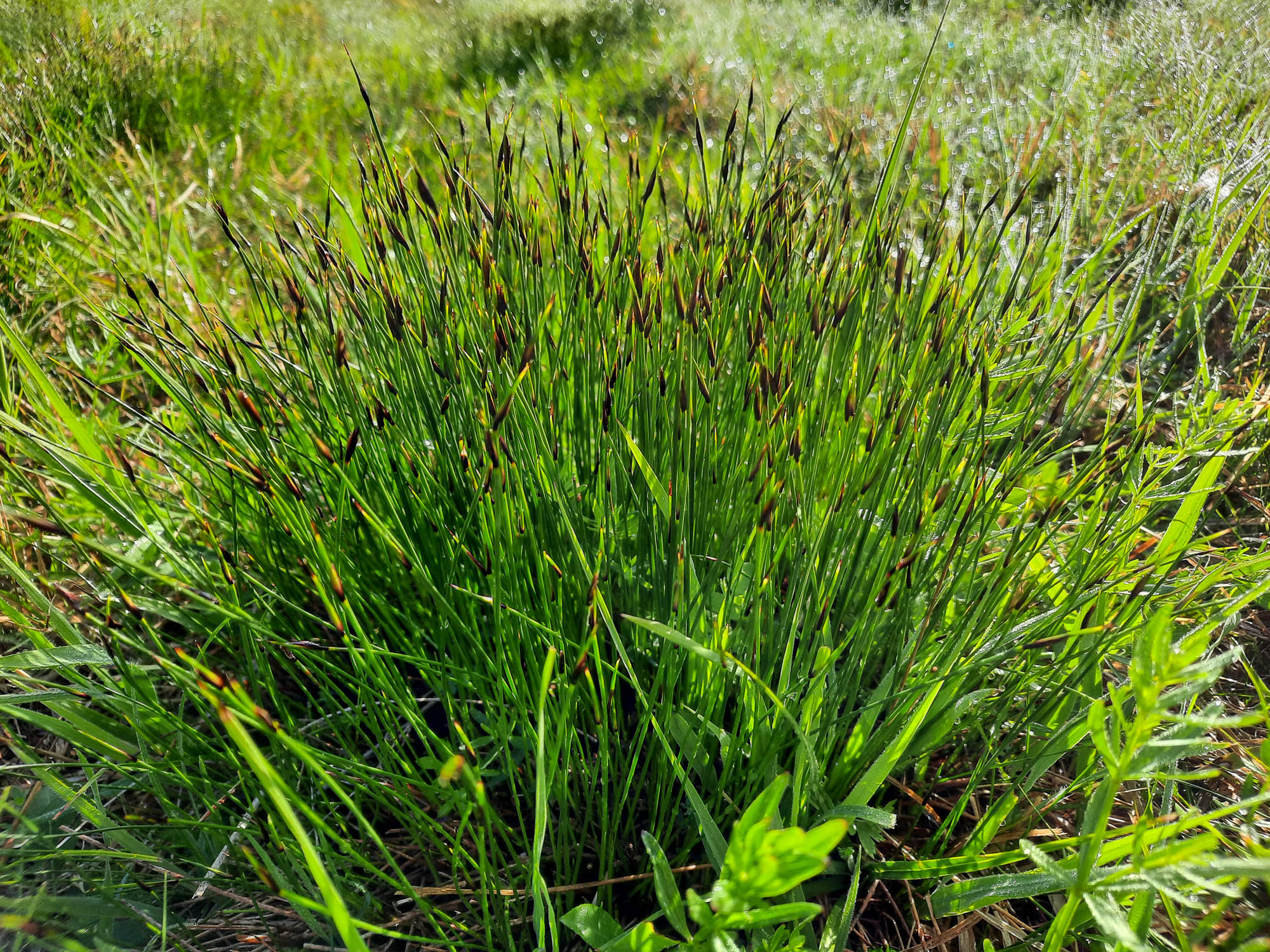
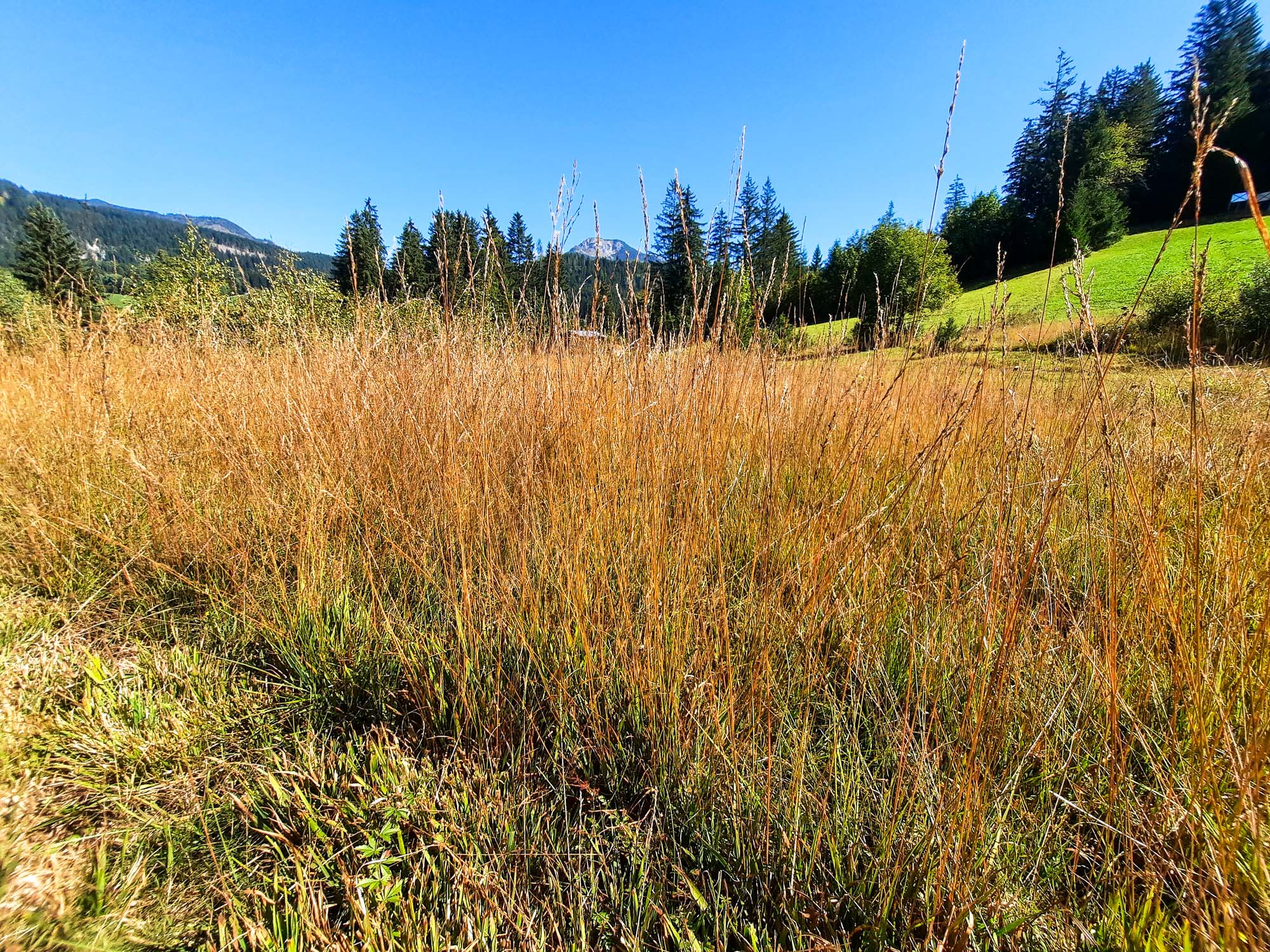
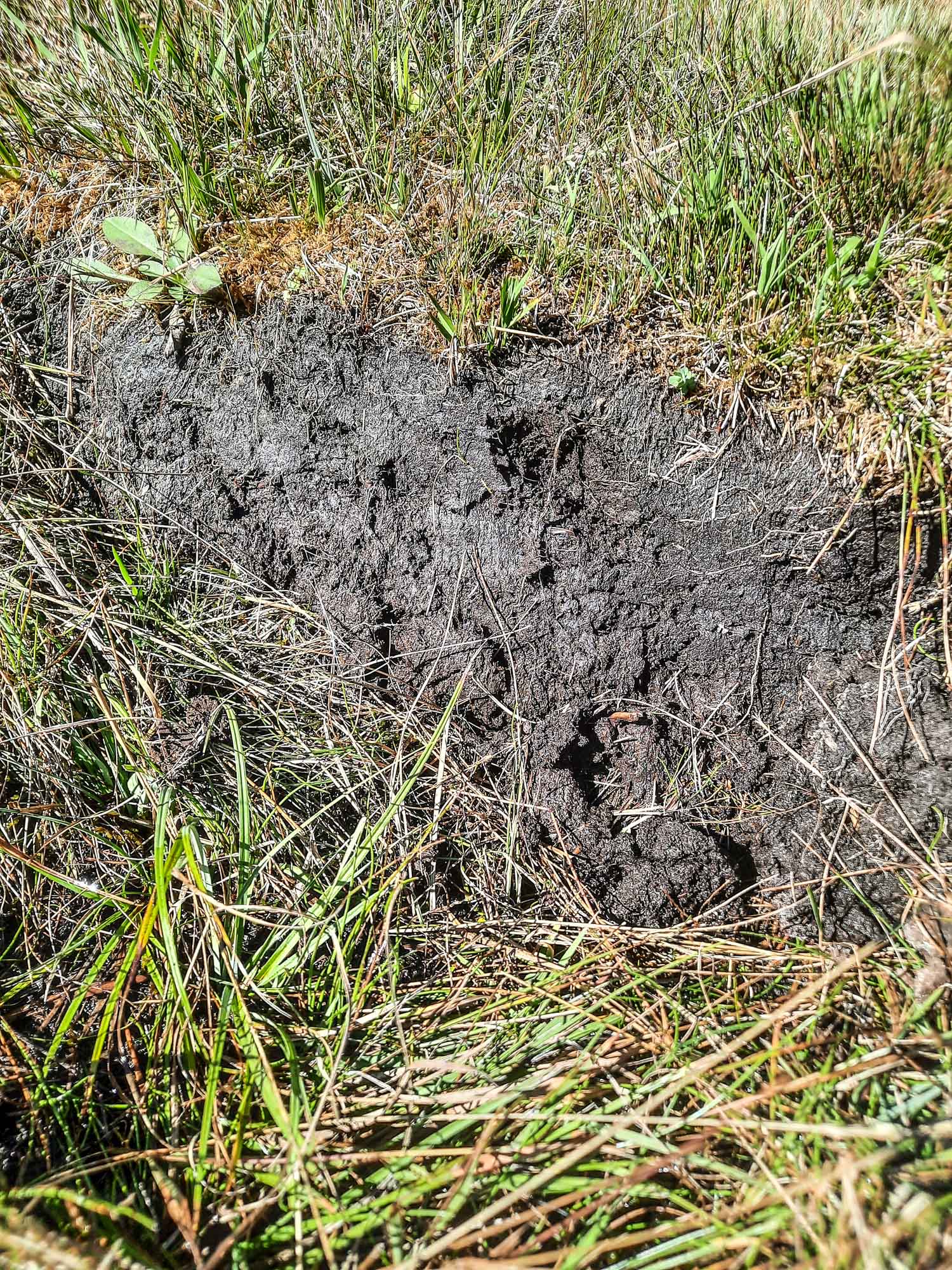
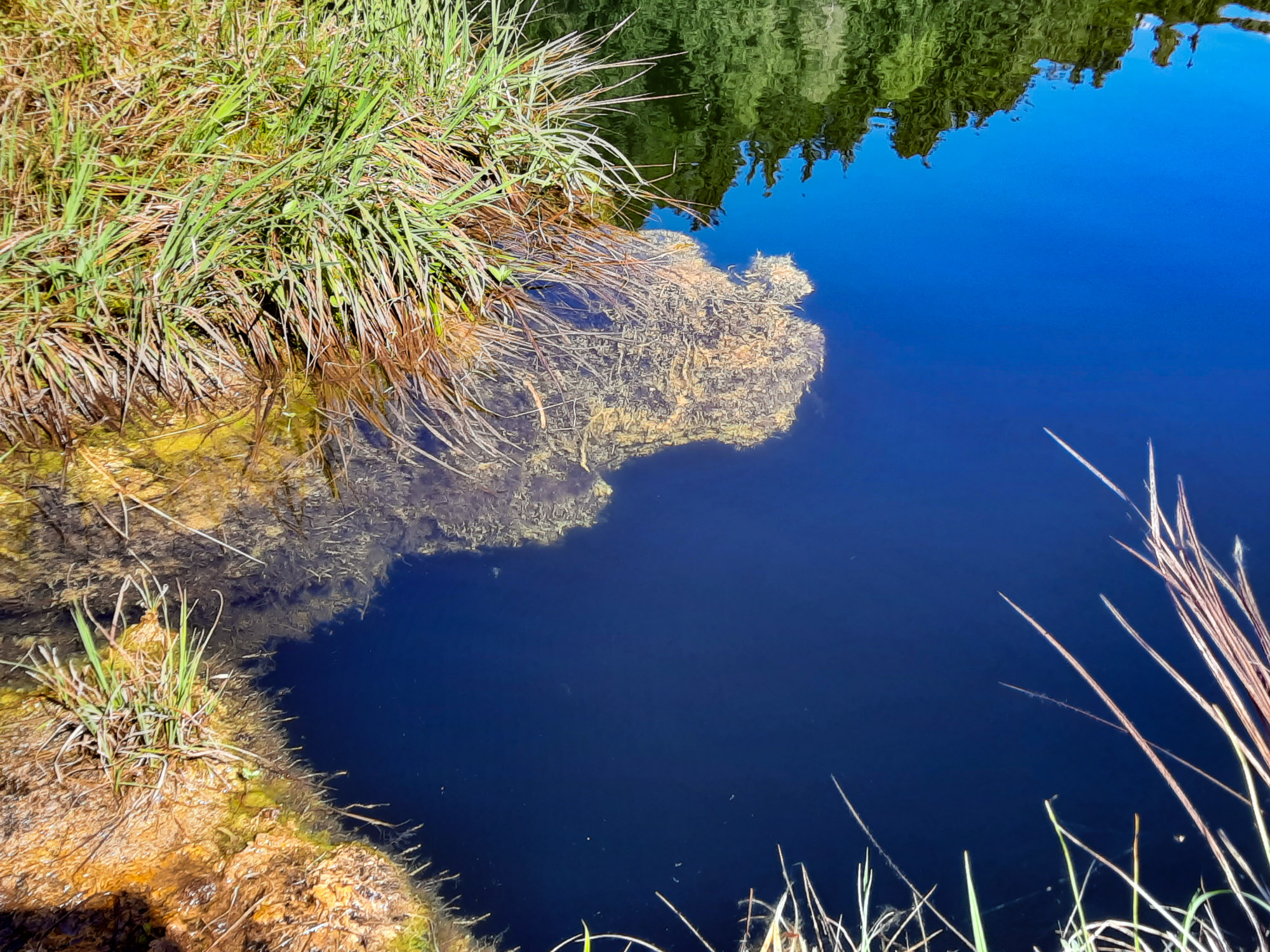
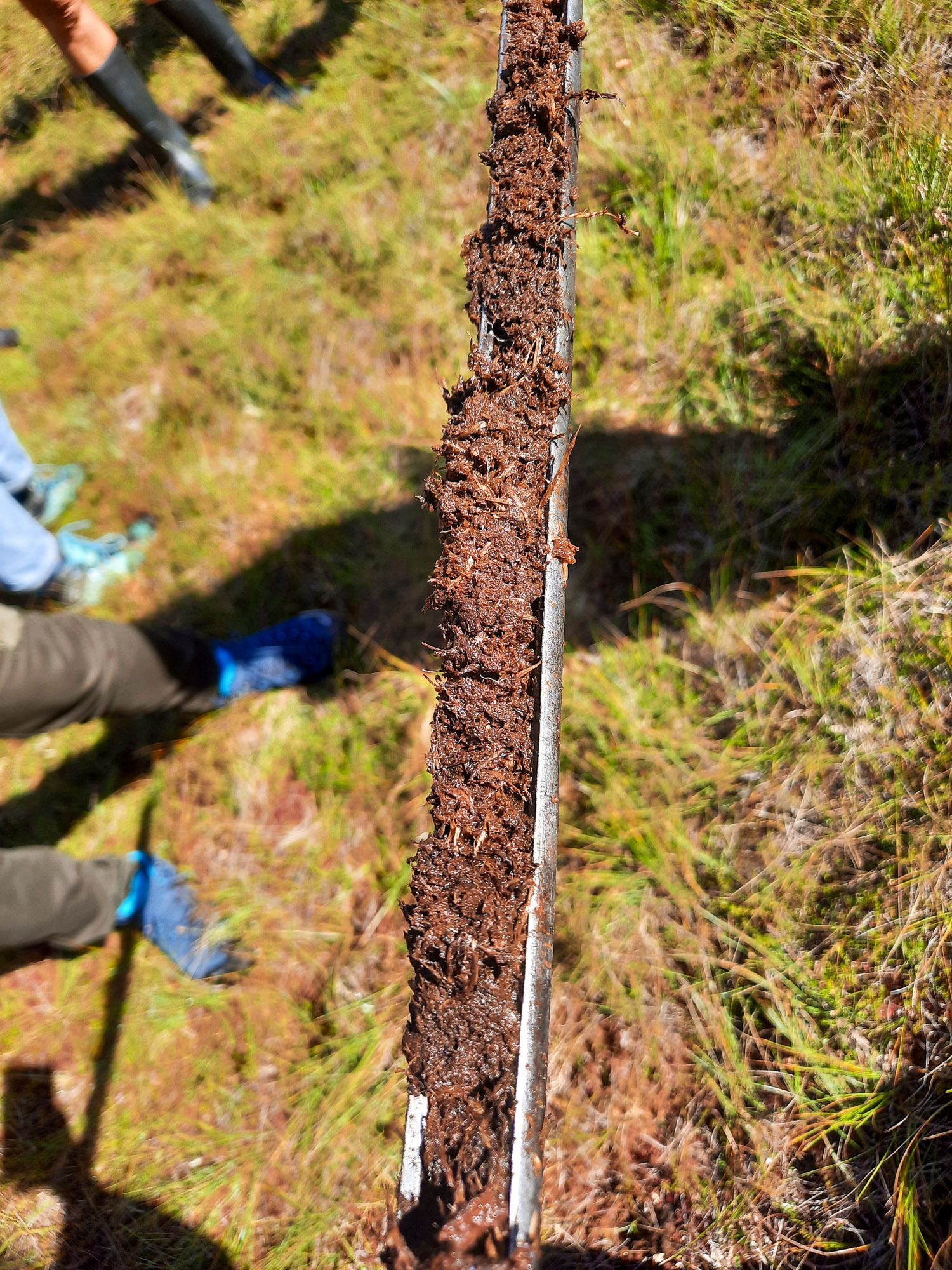
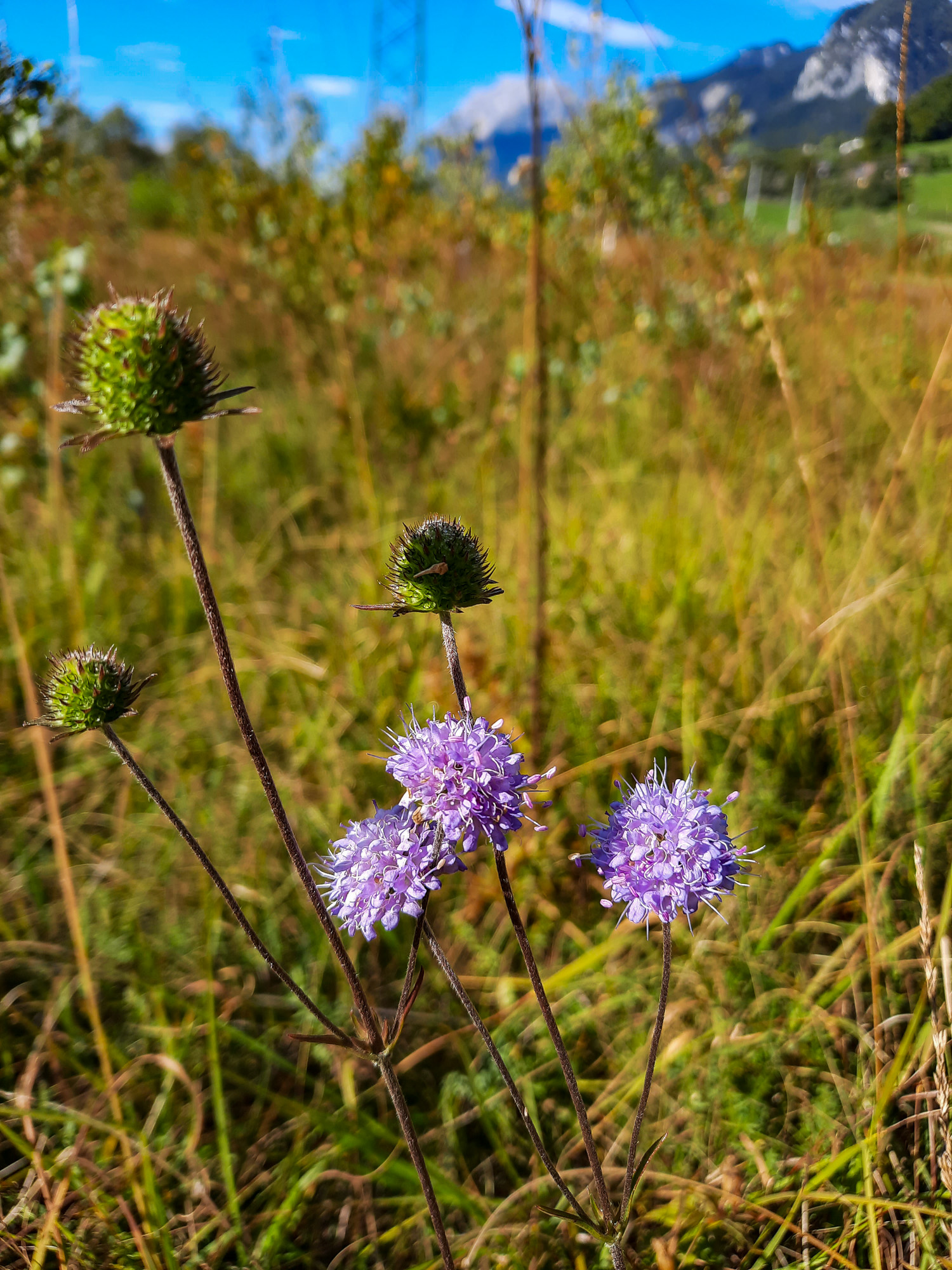
Pictures from the 2023 moorland excursion in Raumberg-Gumpenstein
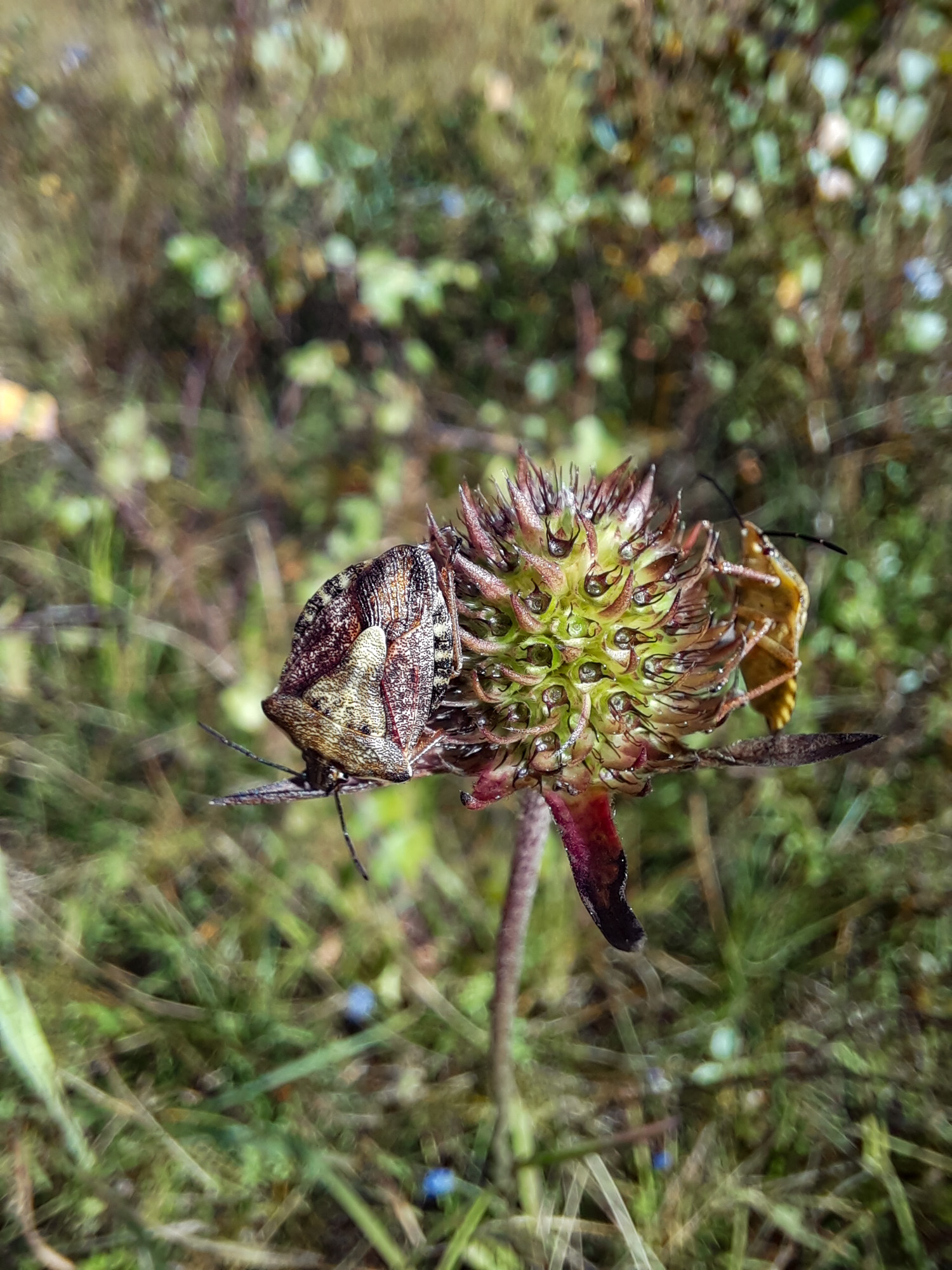
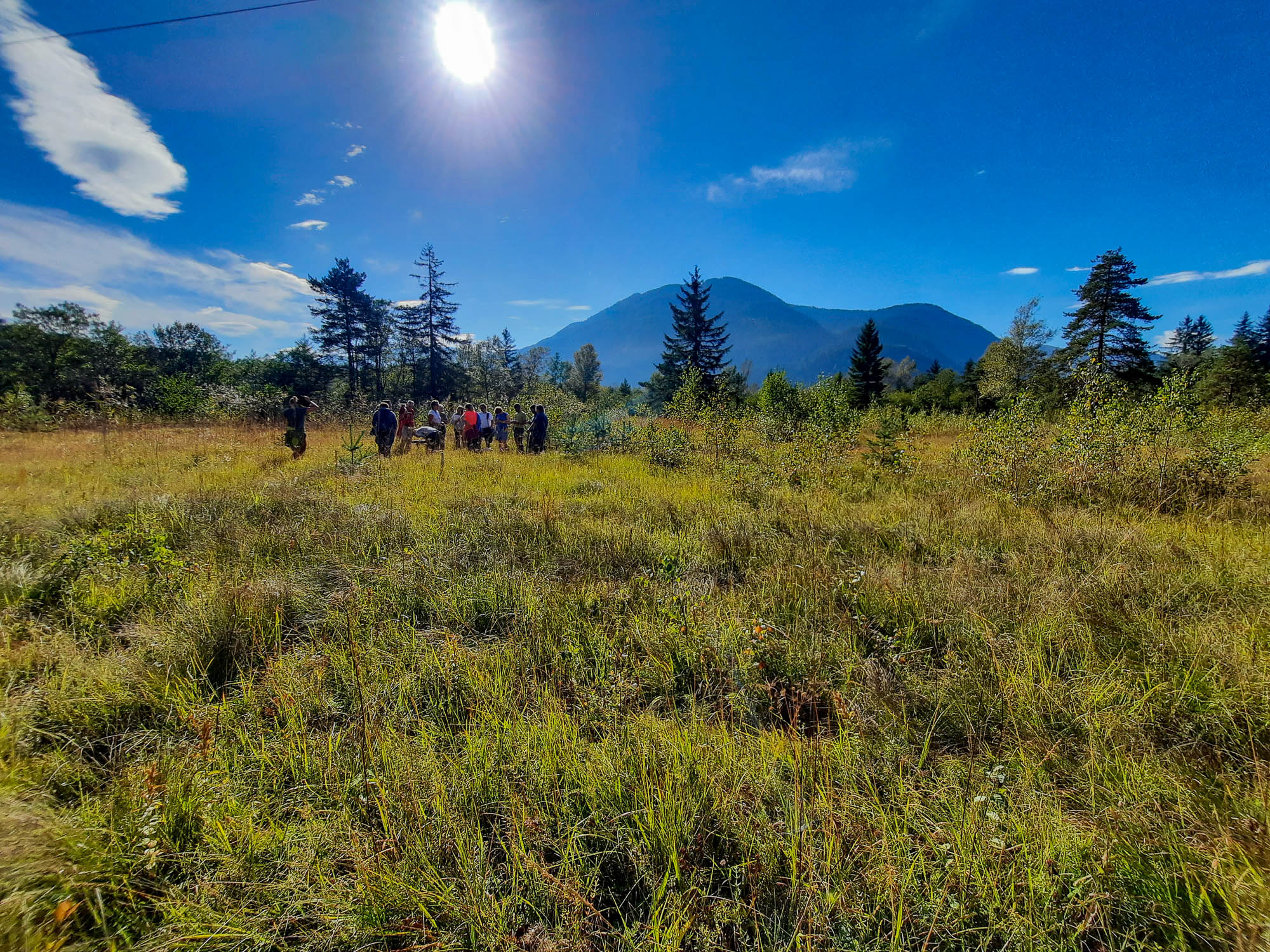
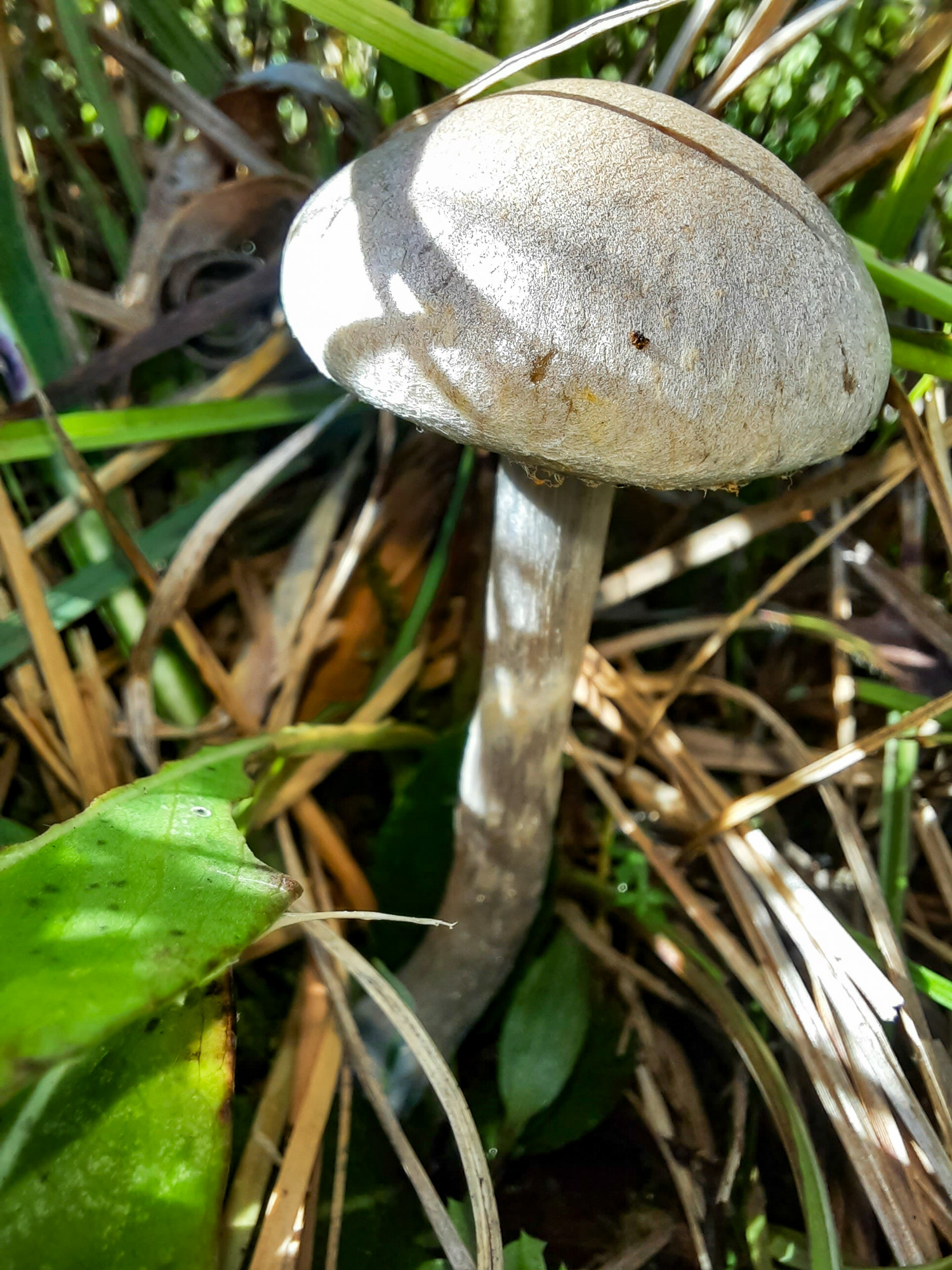
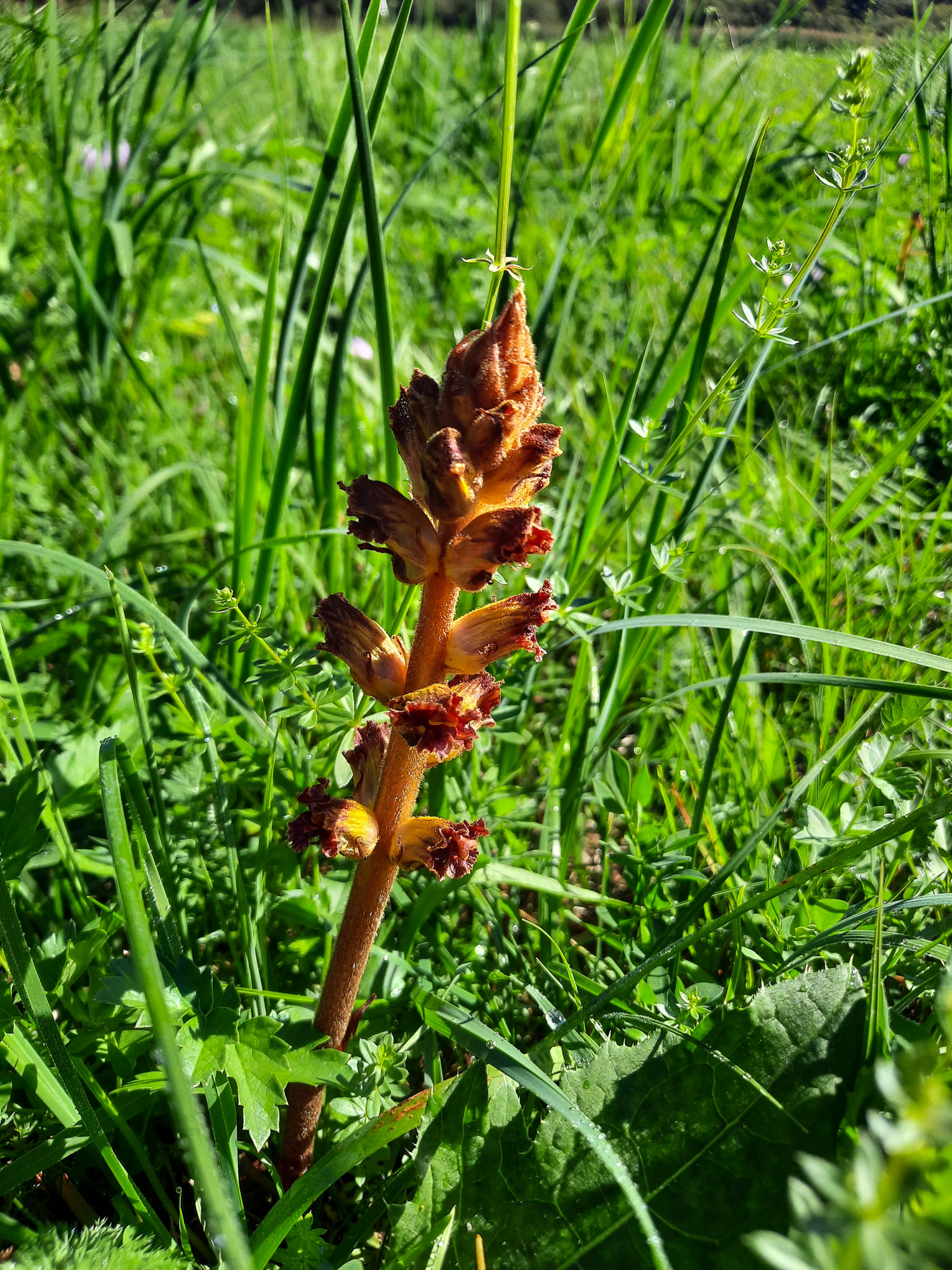
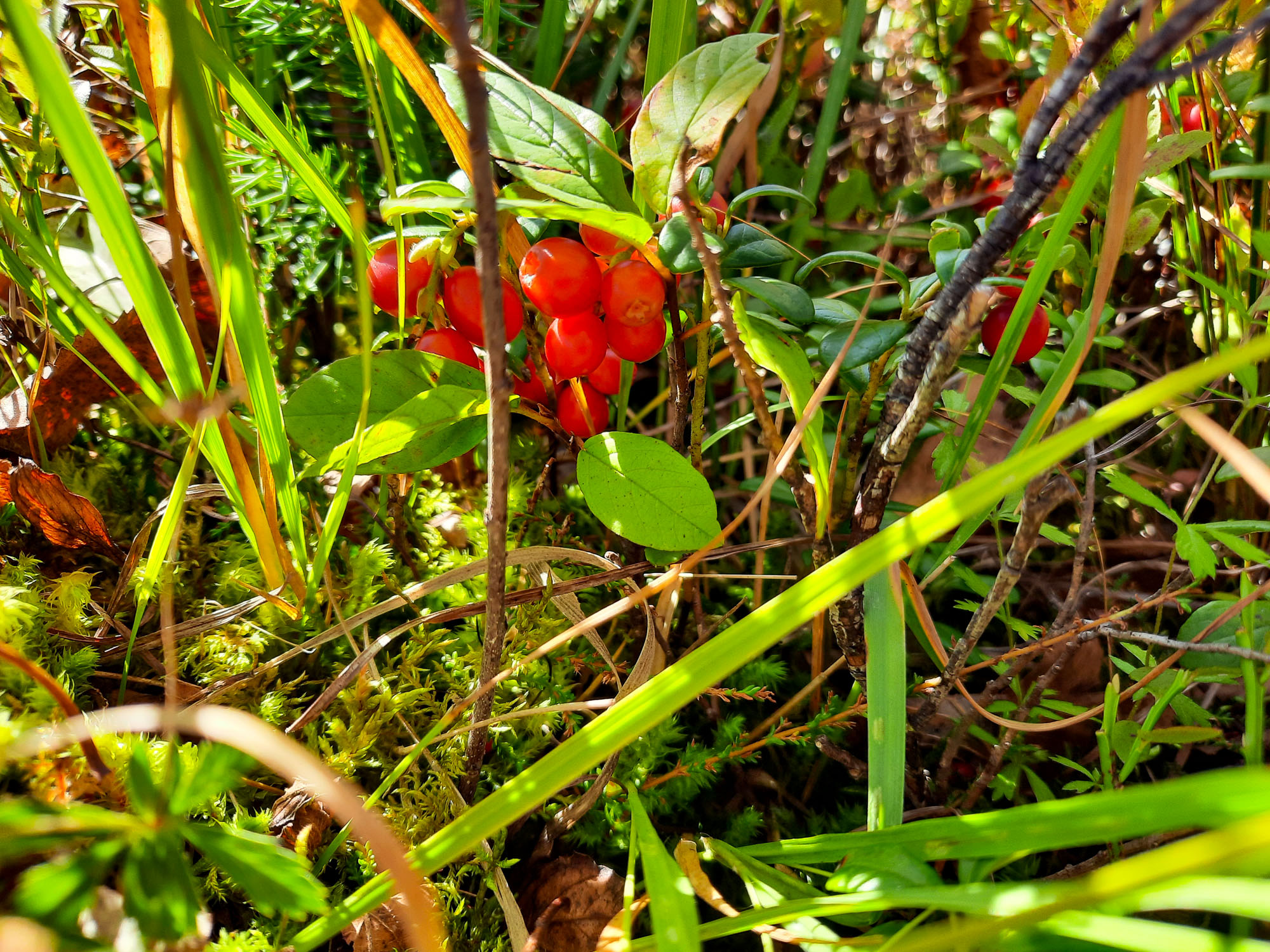
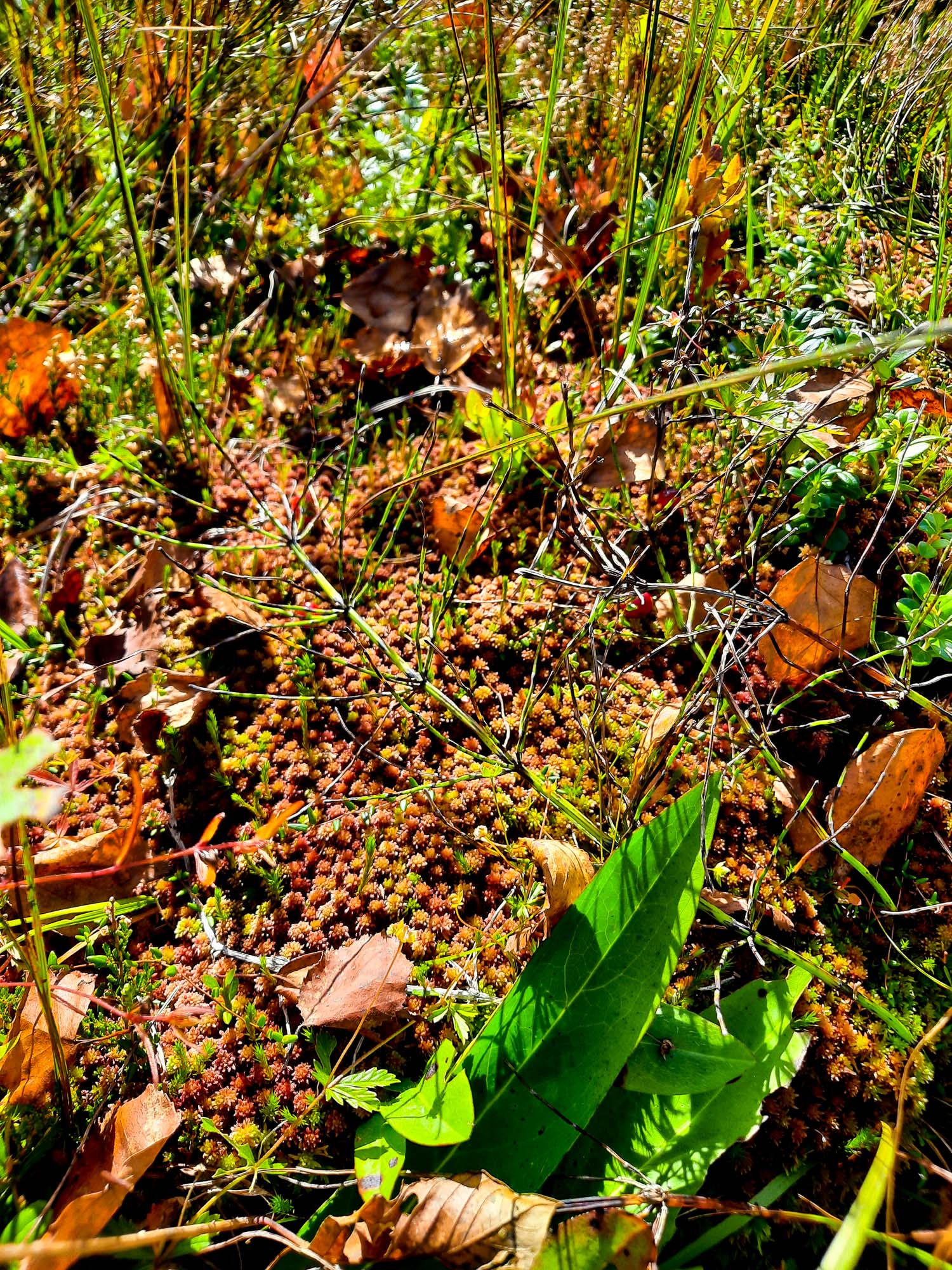
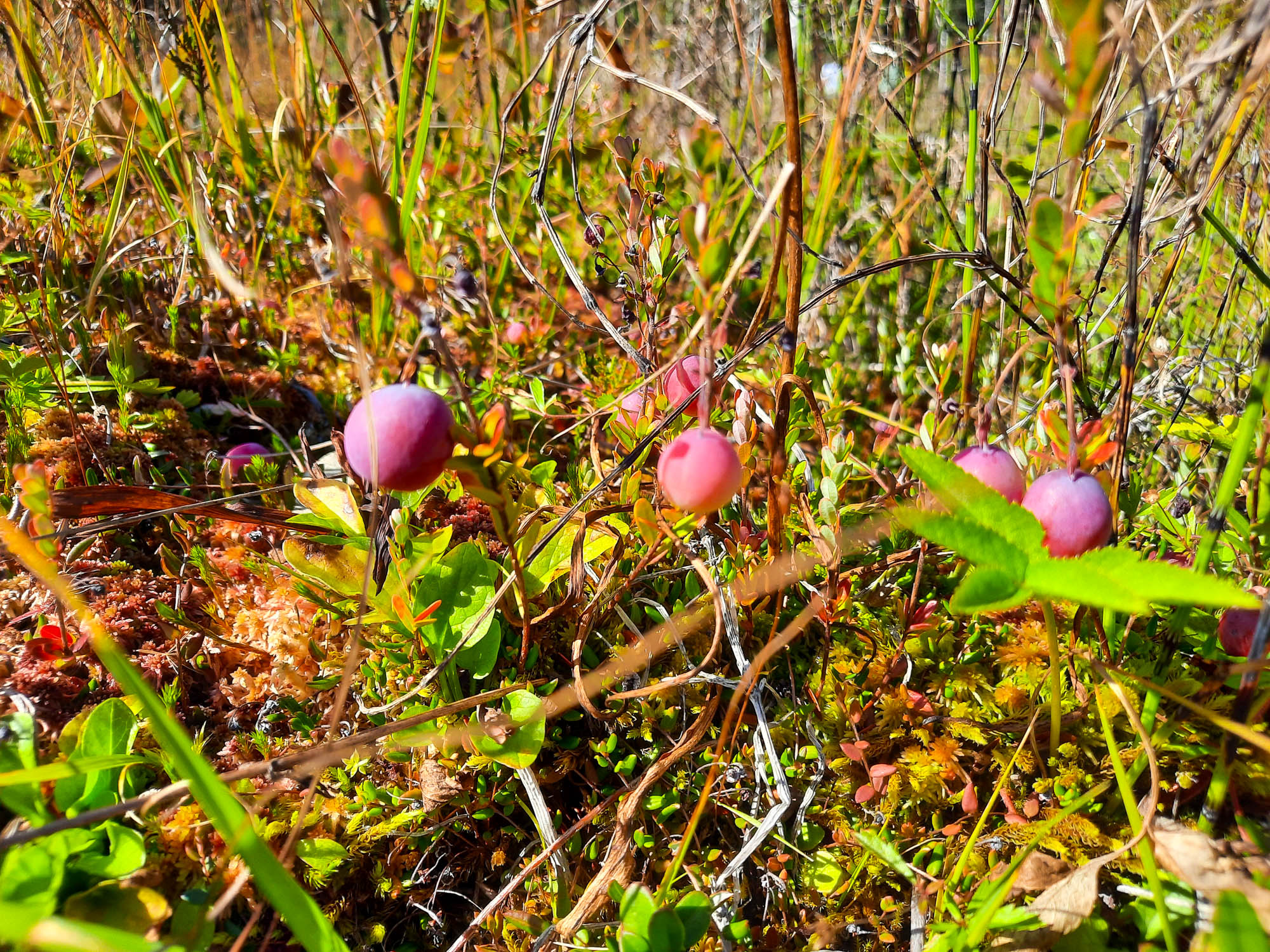
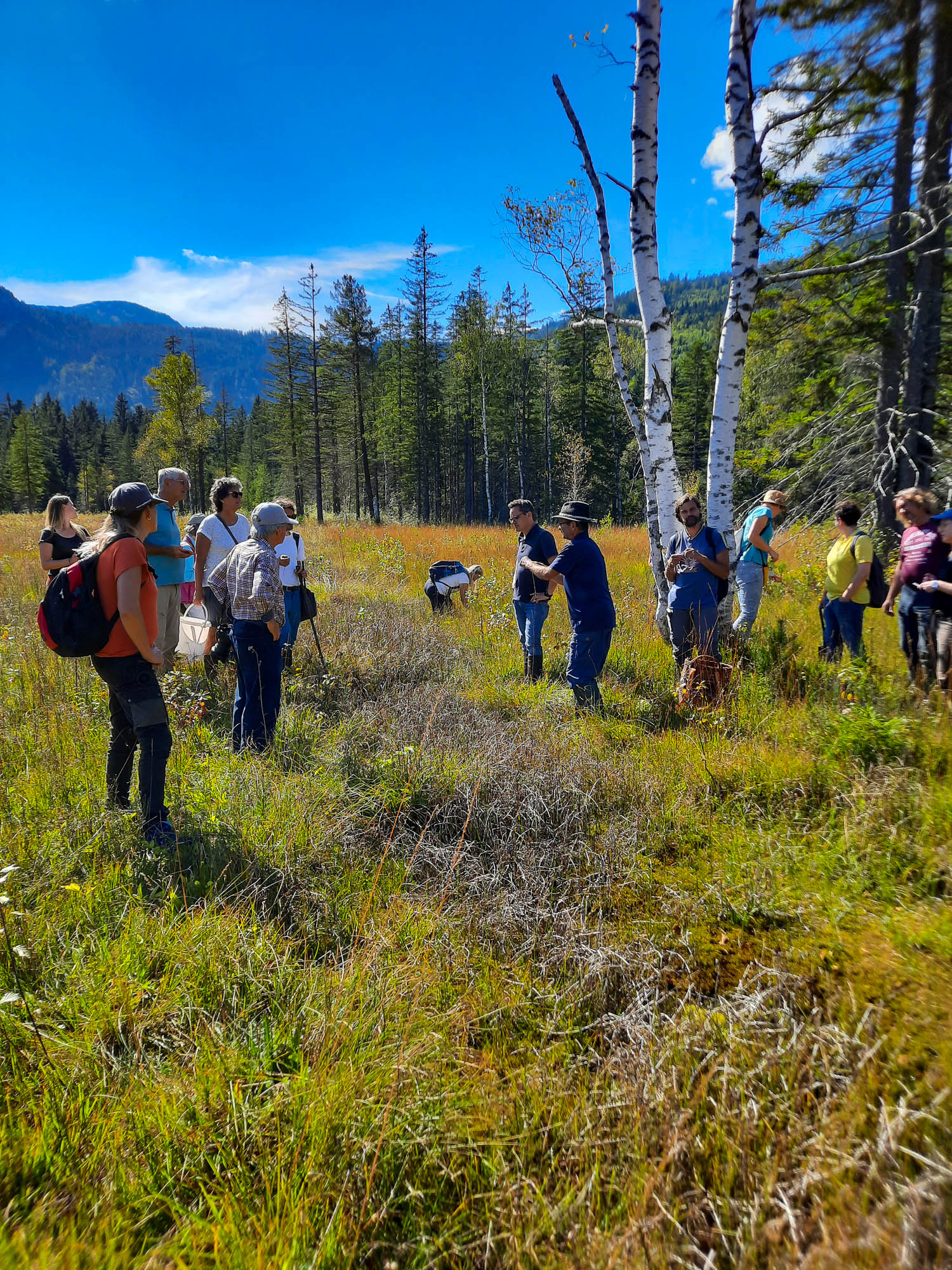
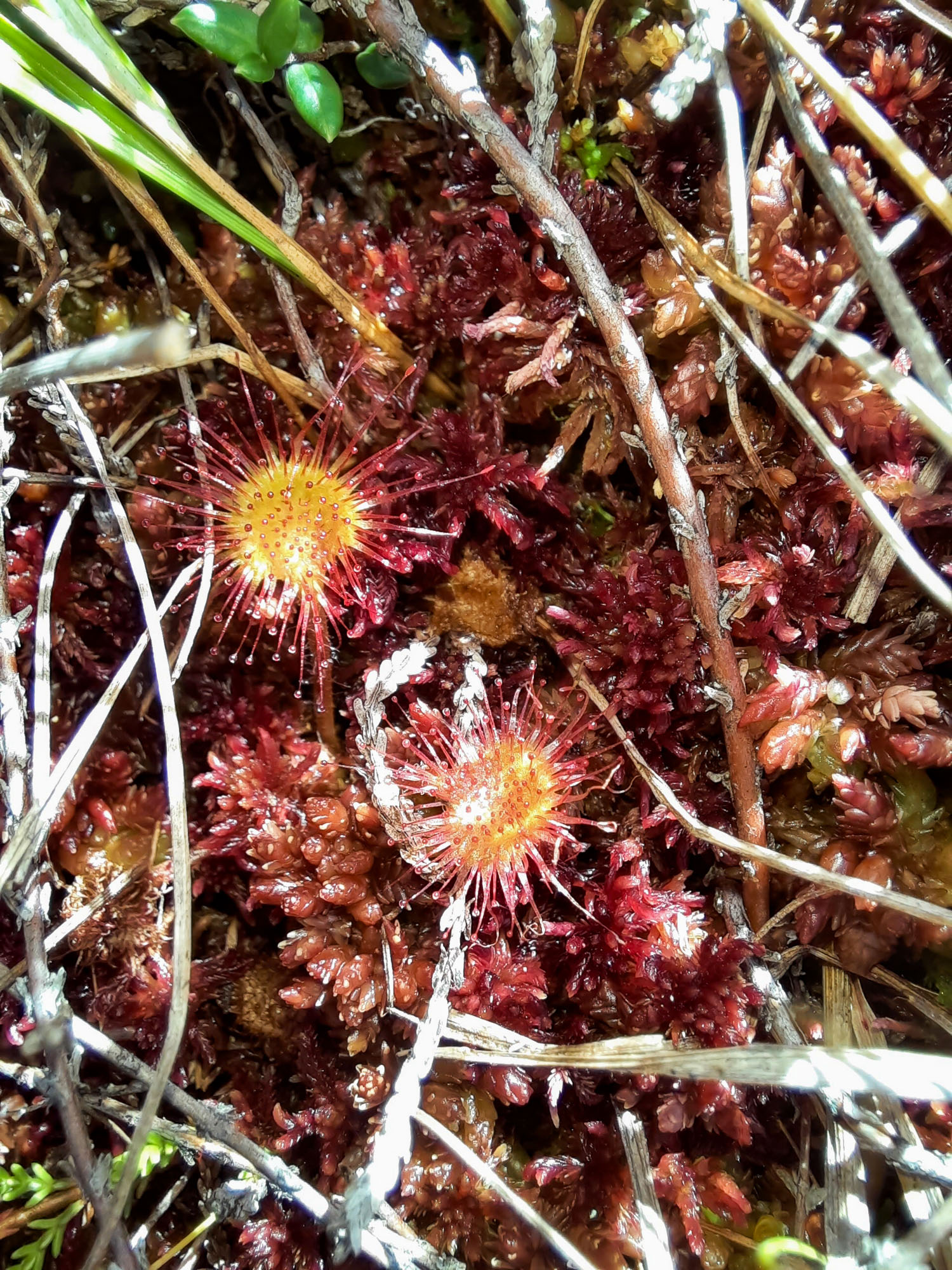
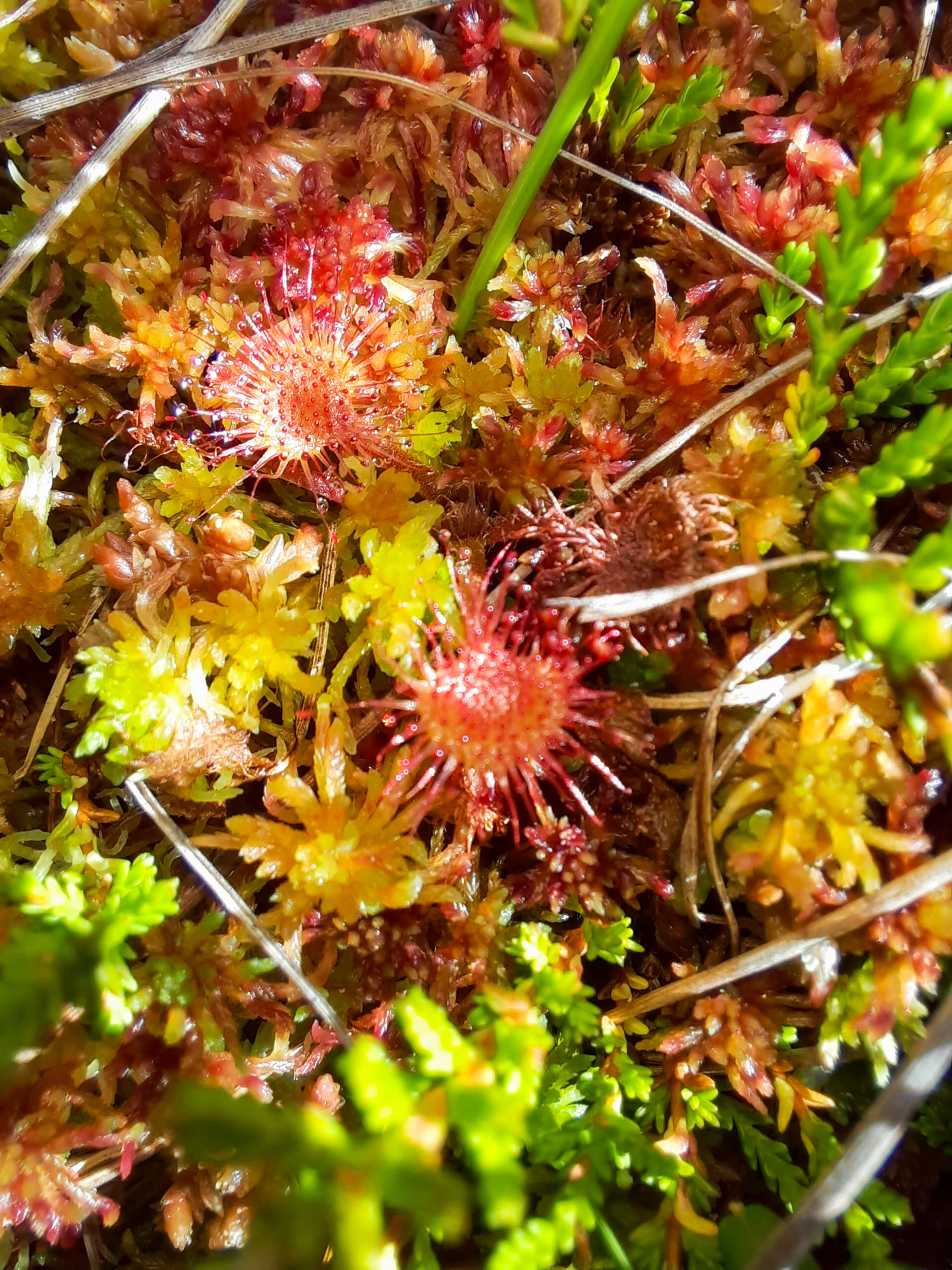

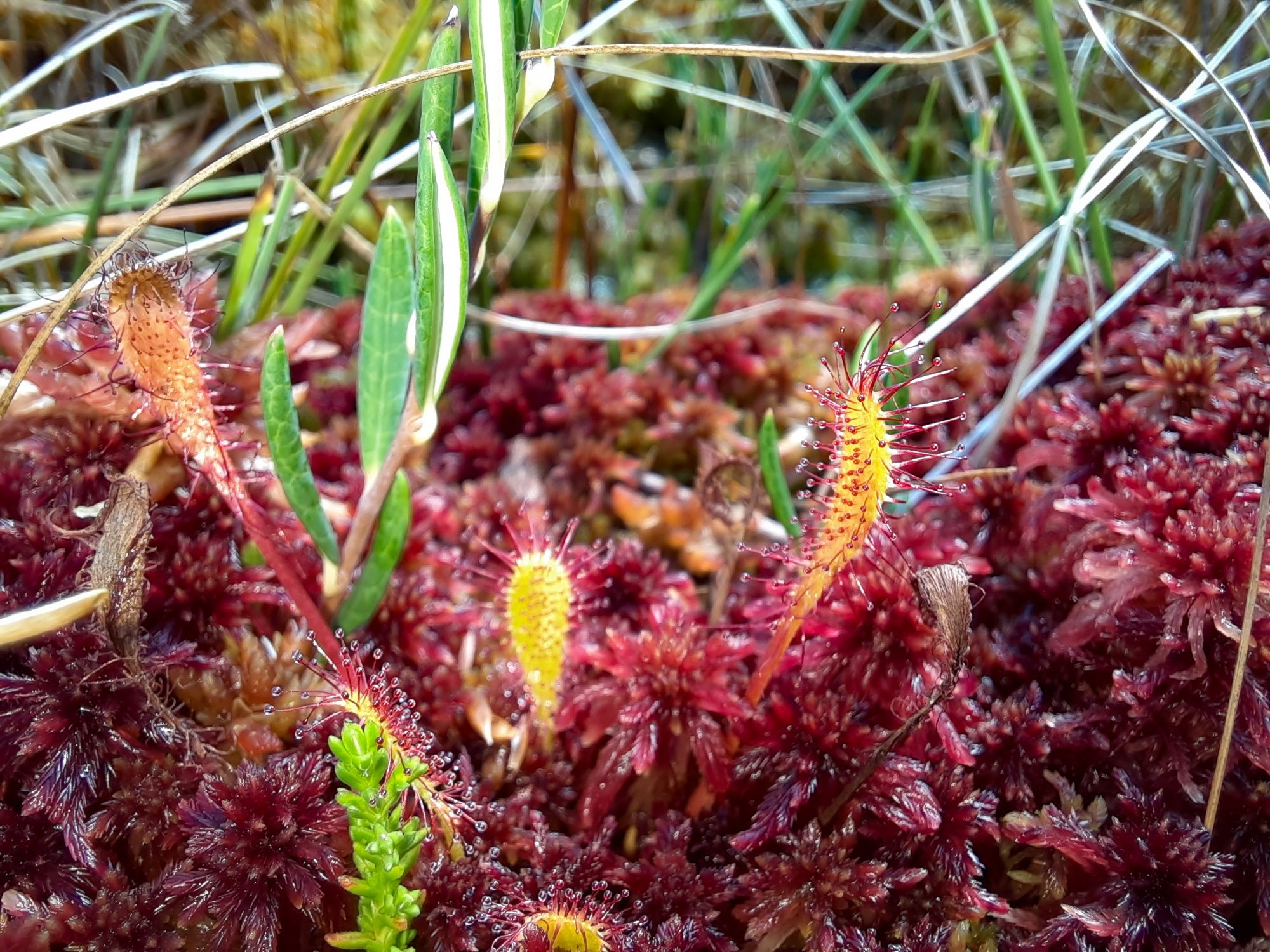
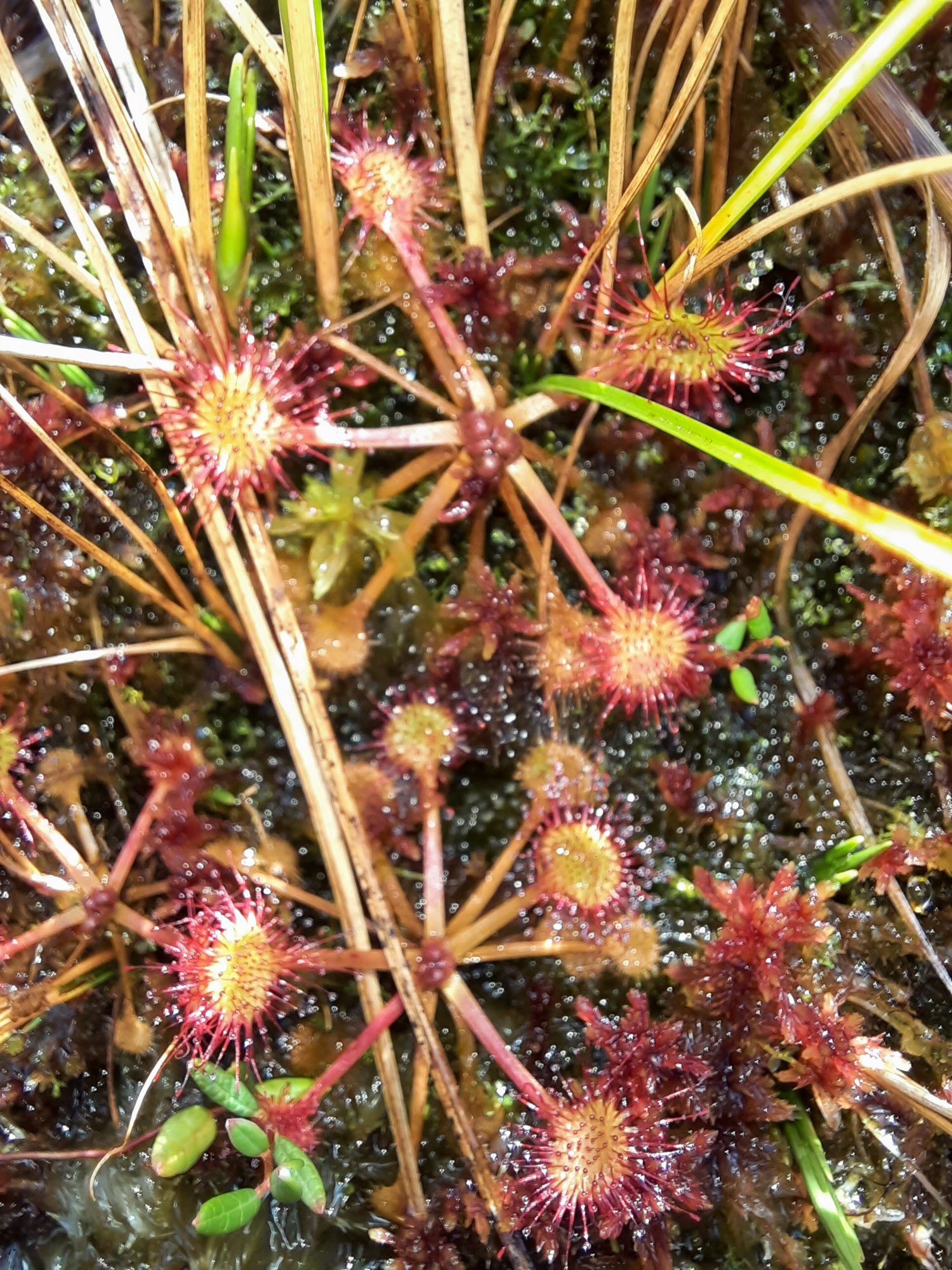
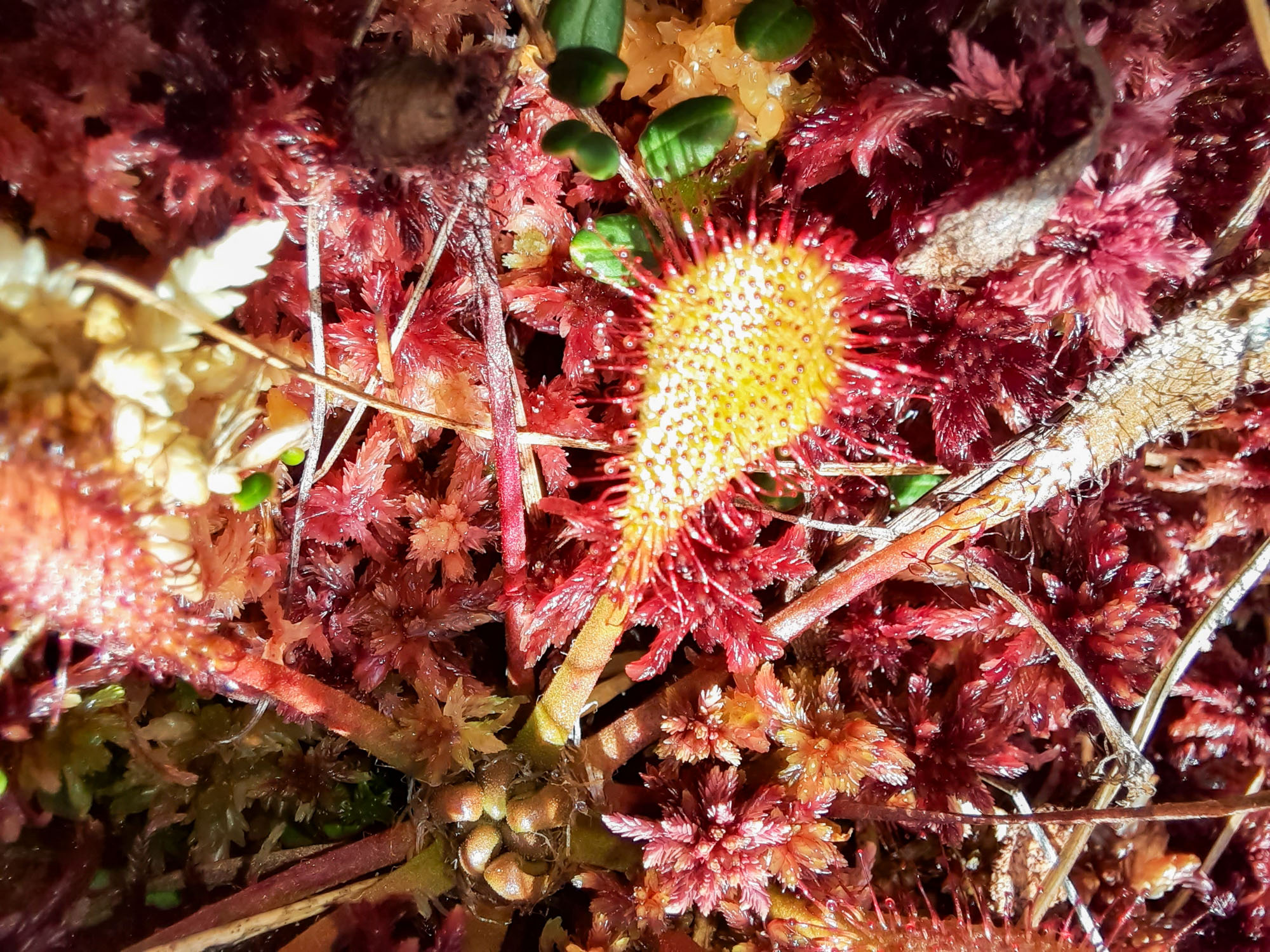
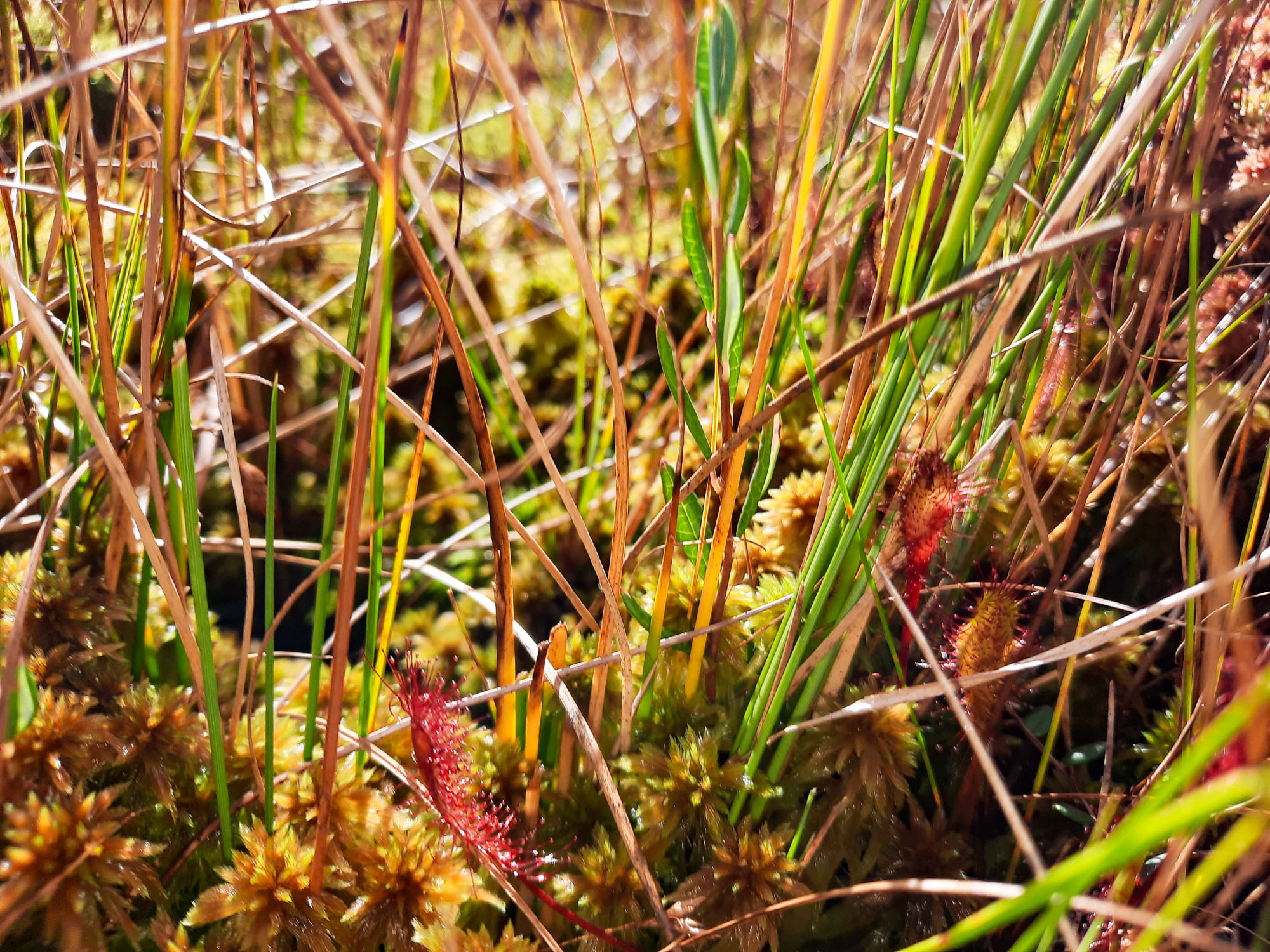
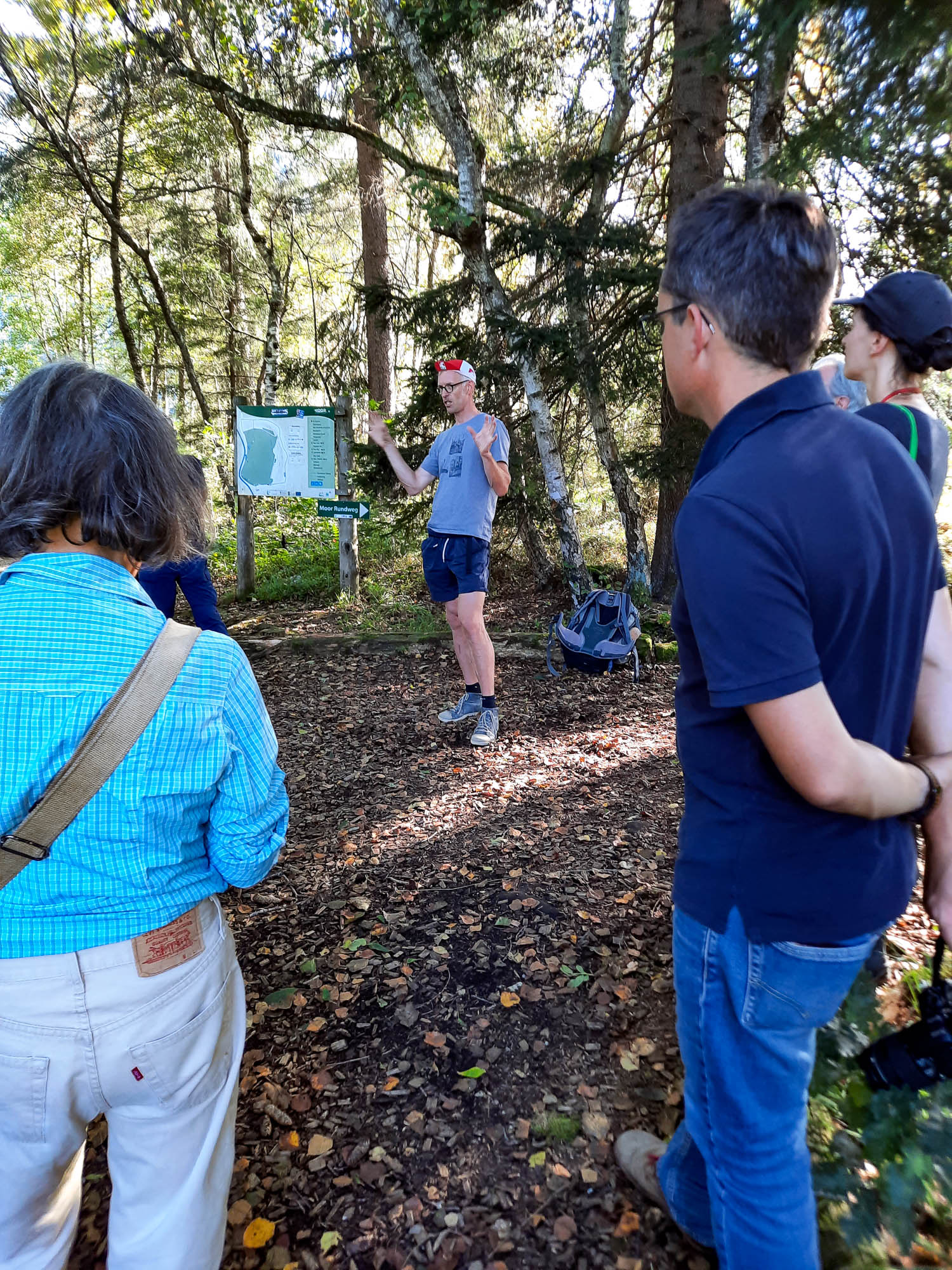
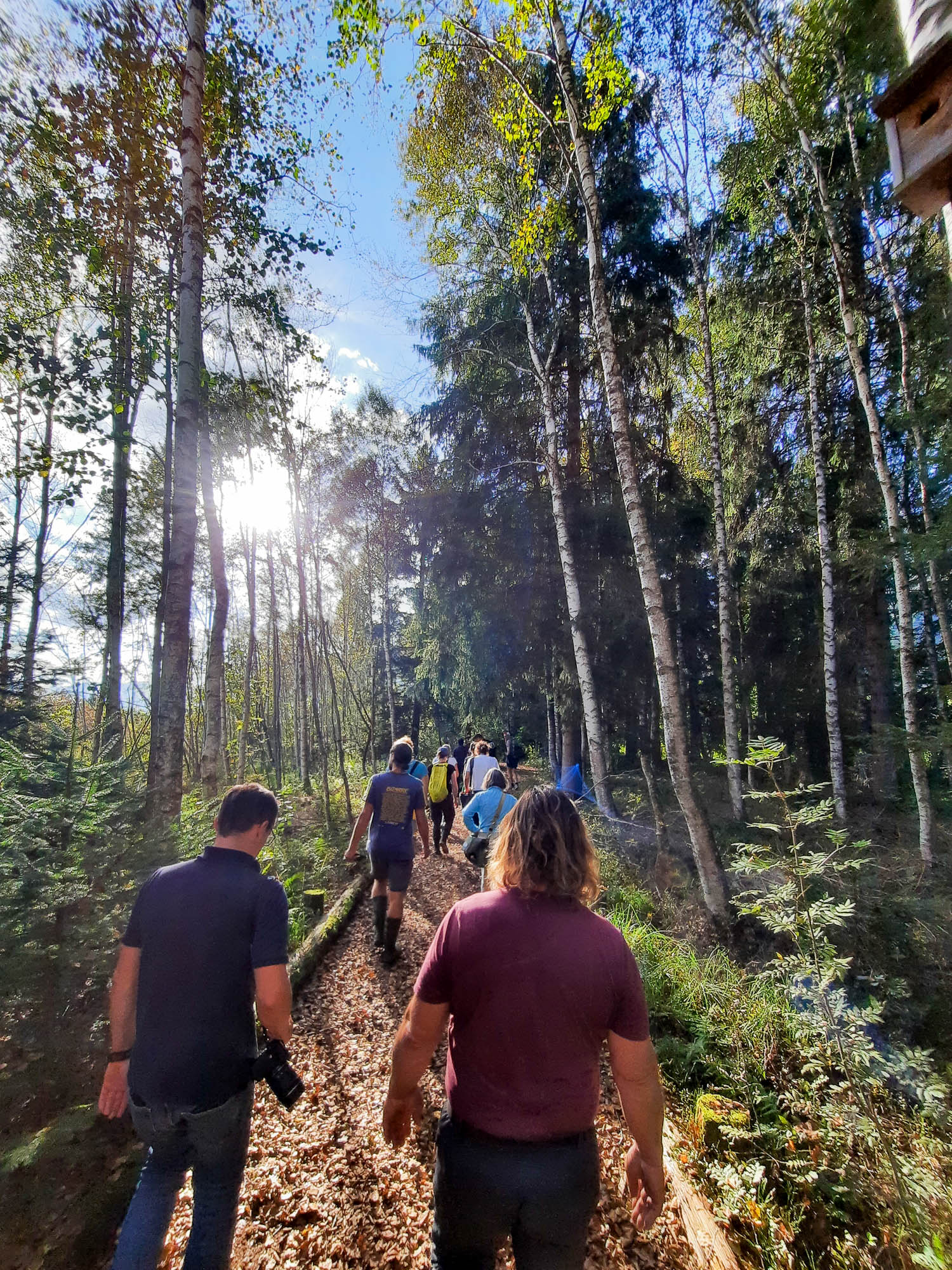
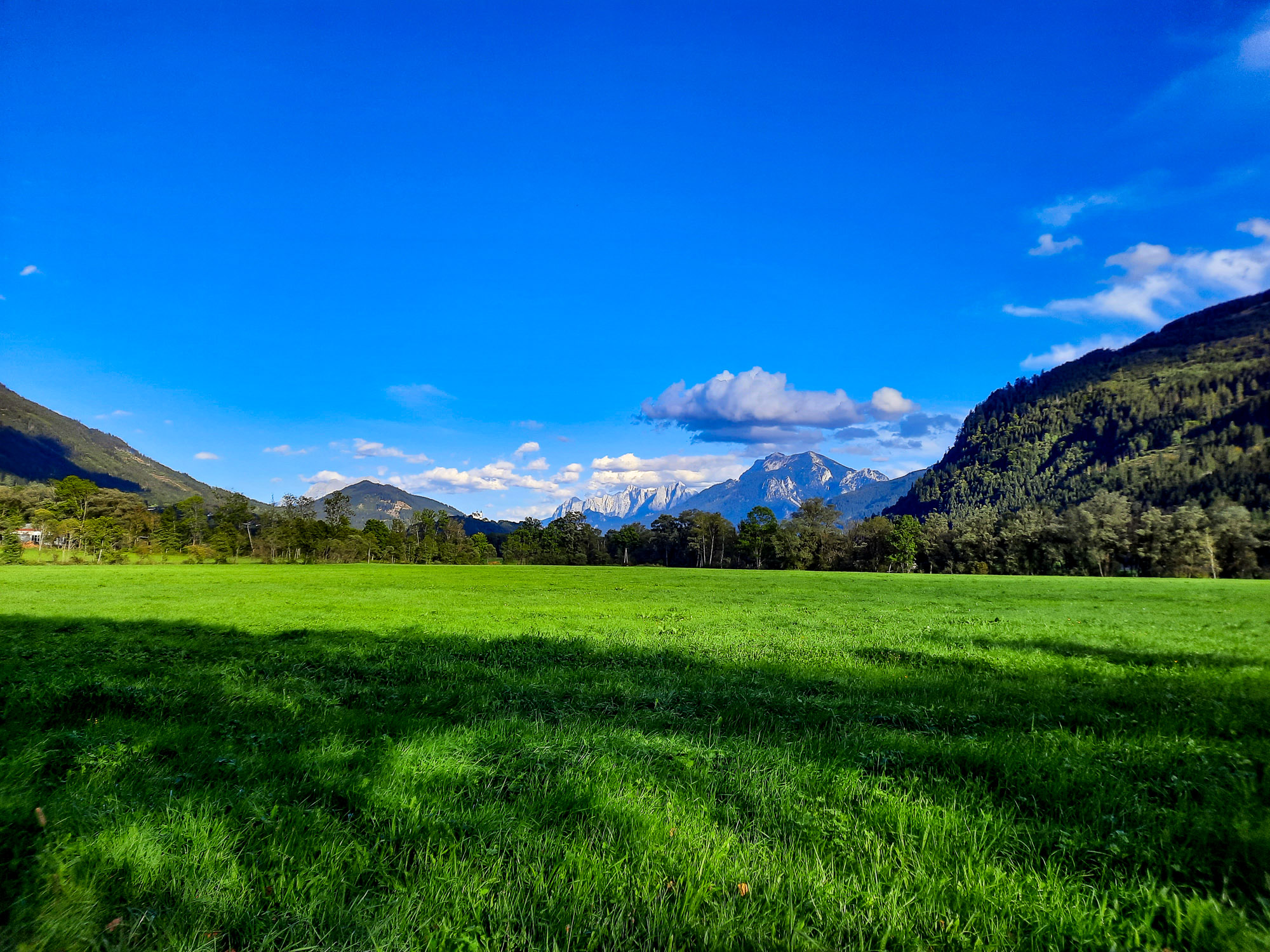
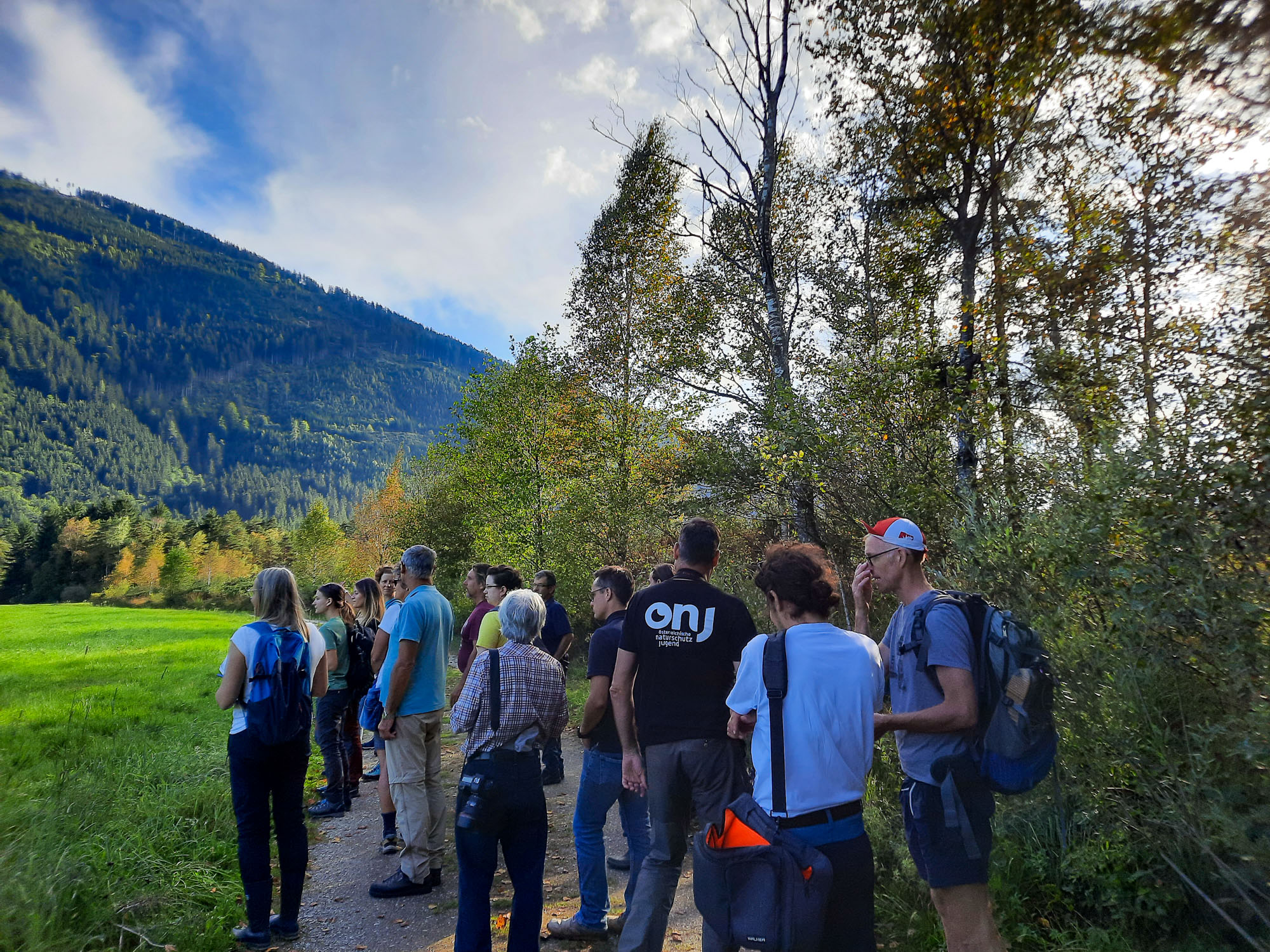
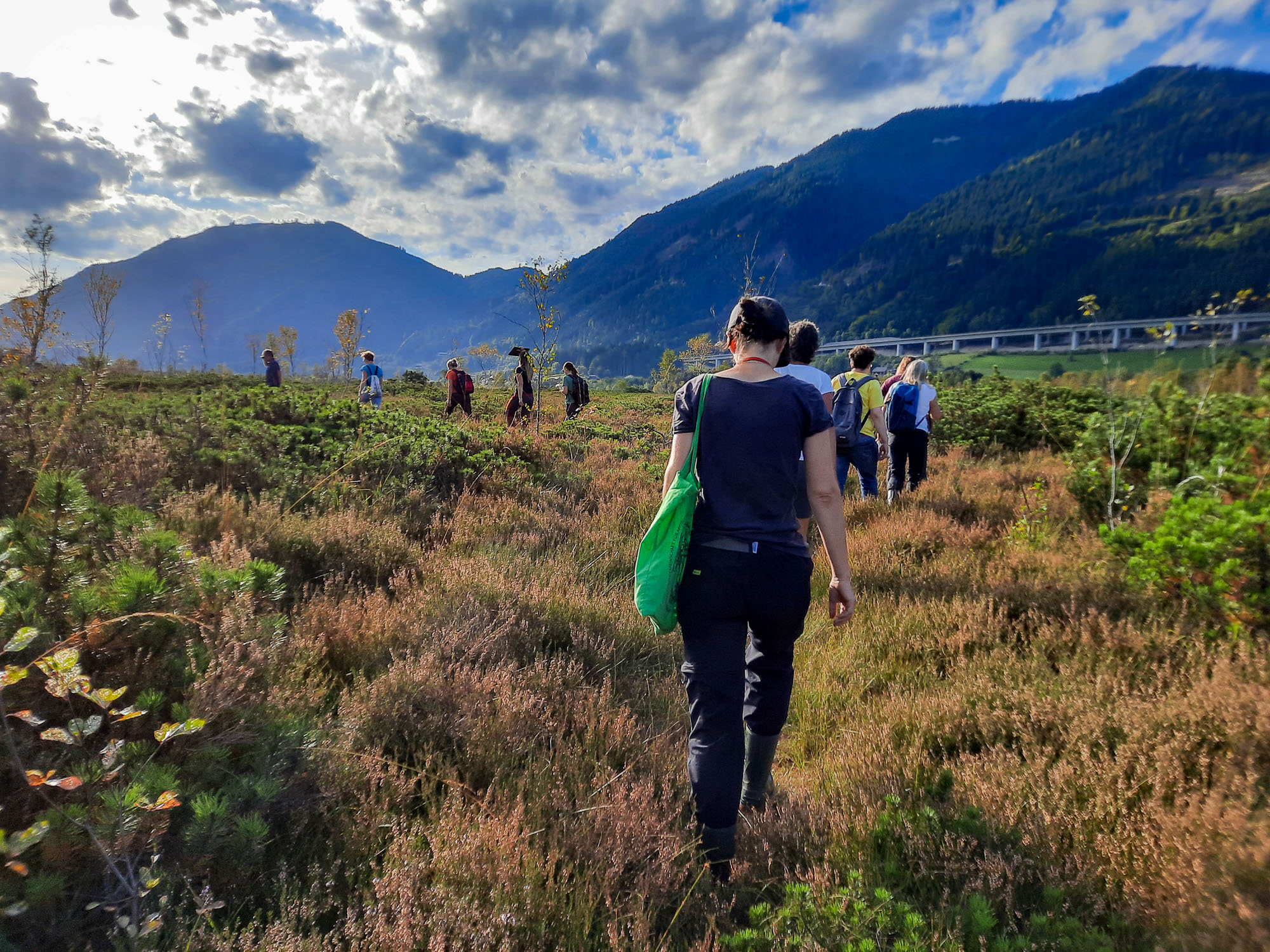
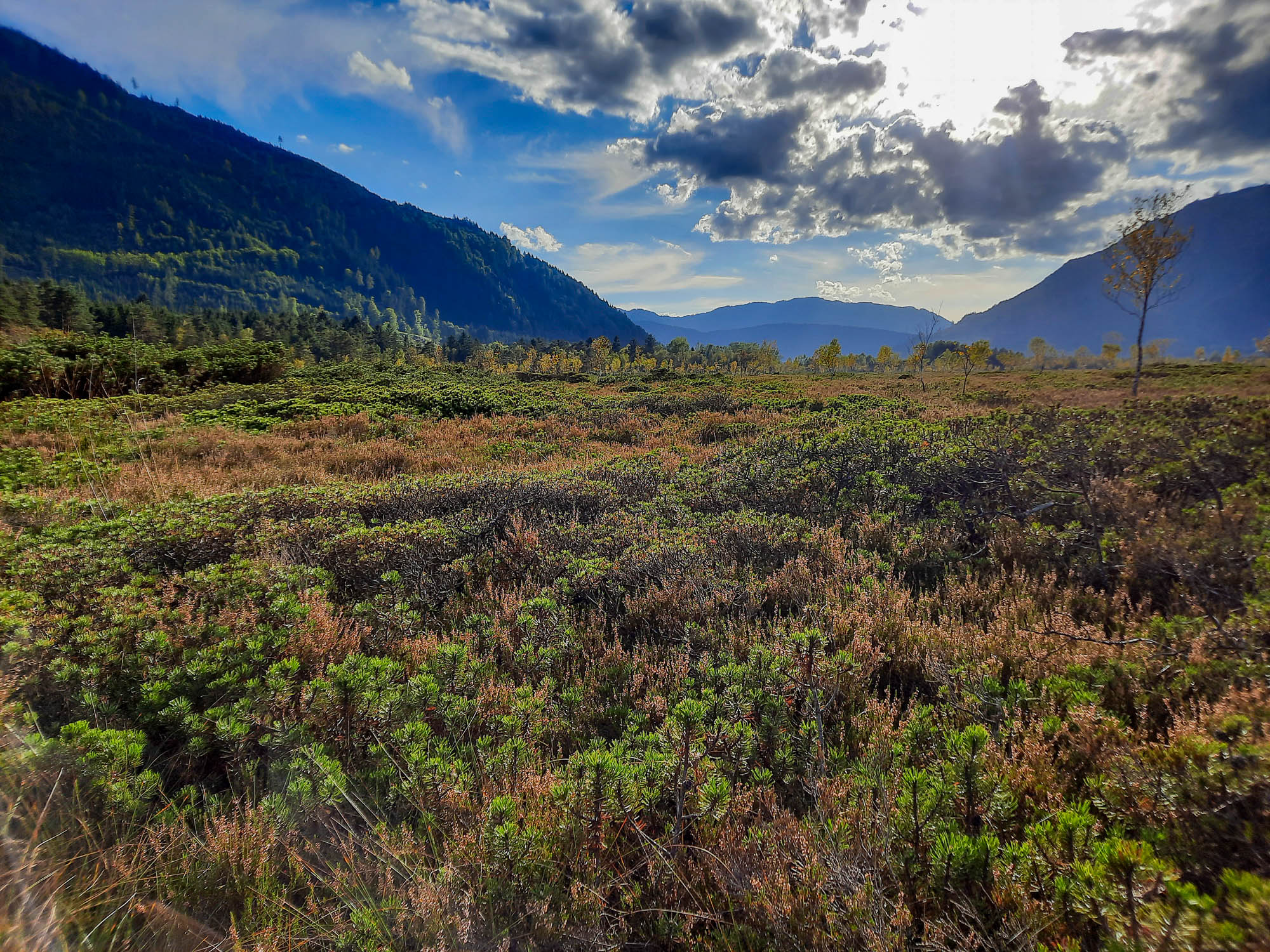
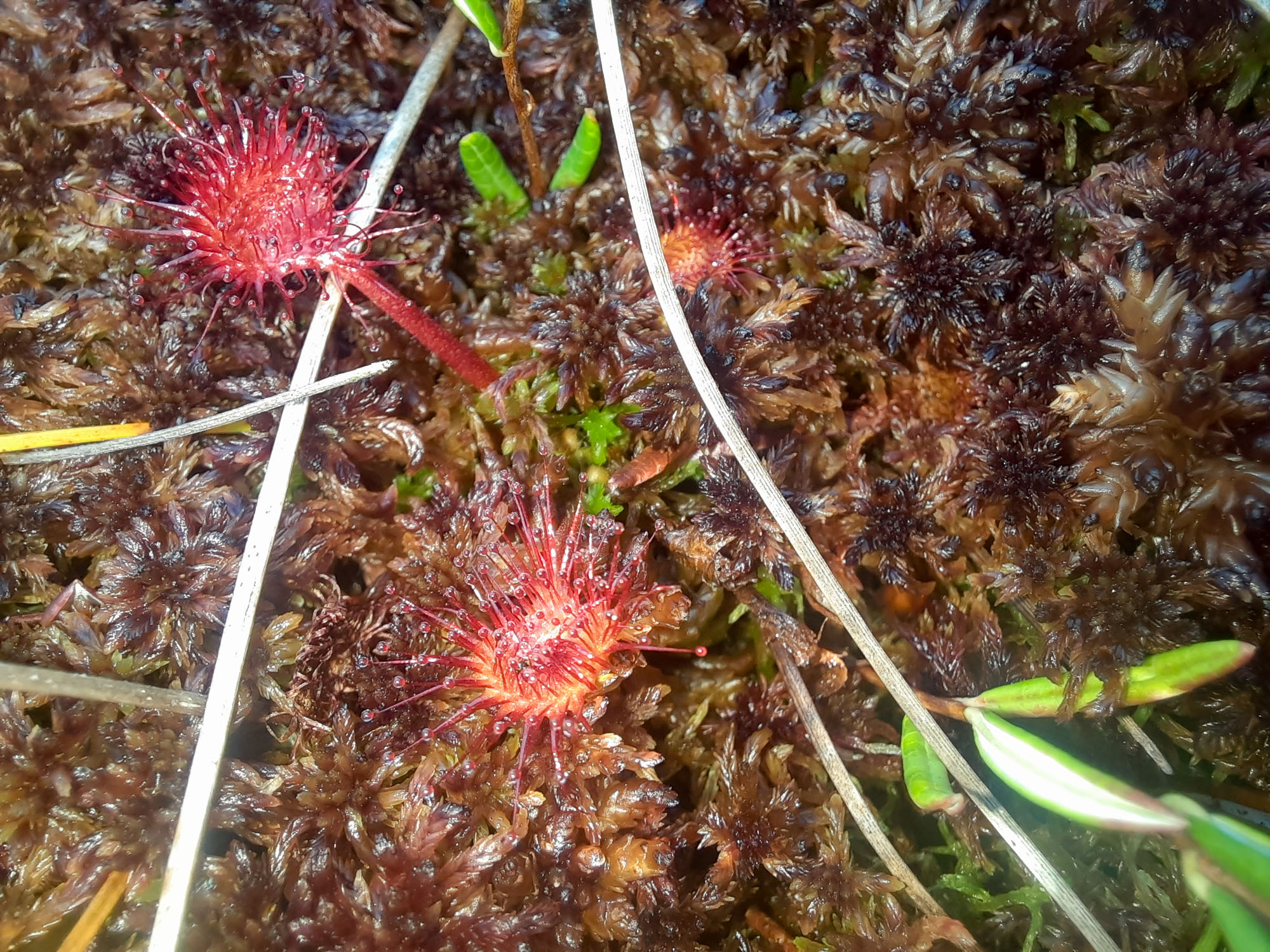
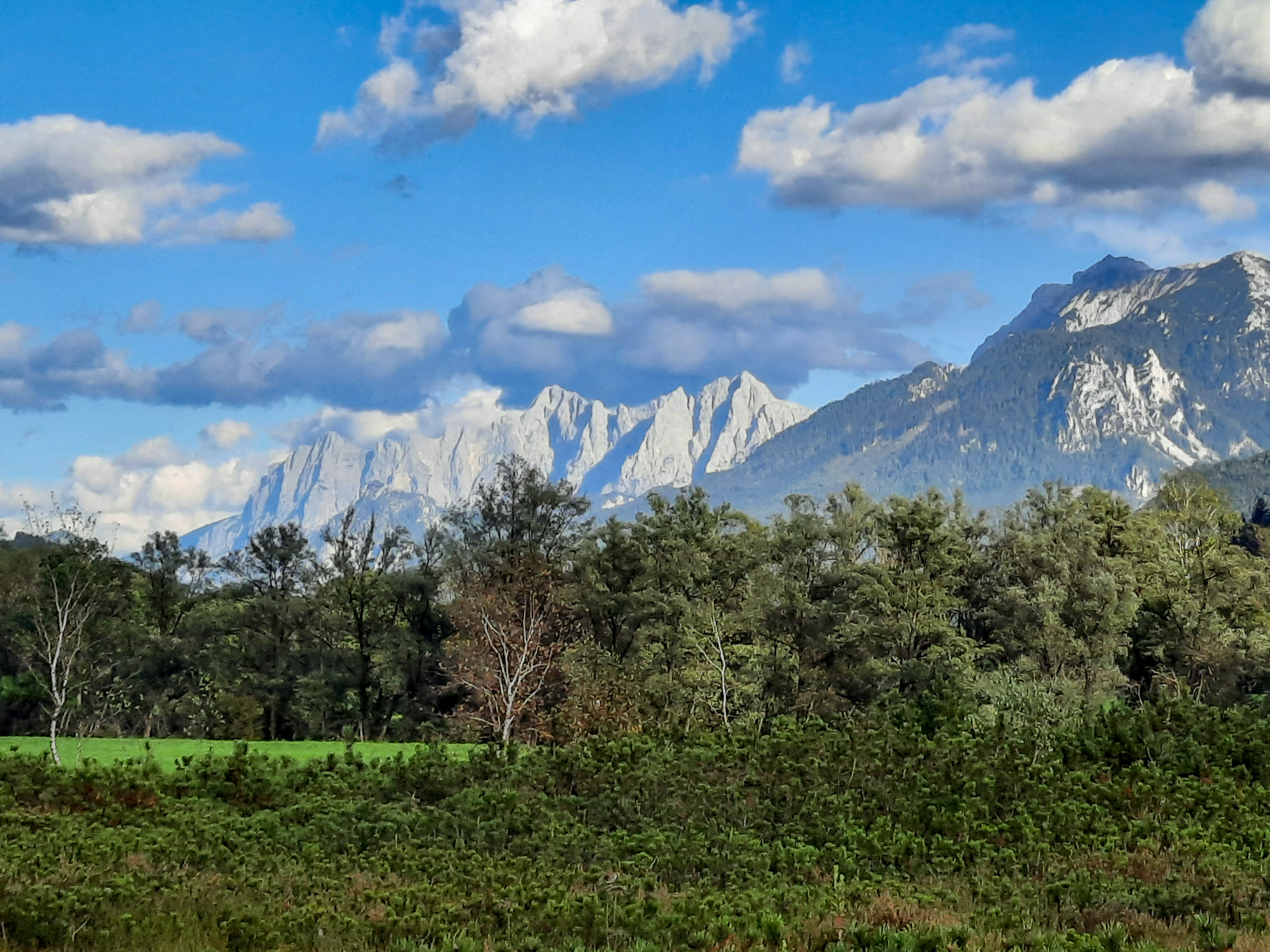
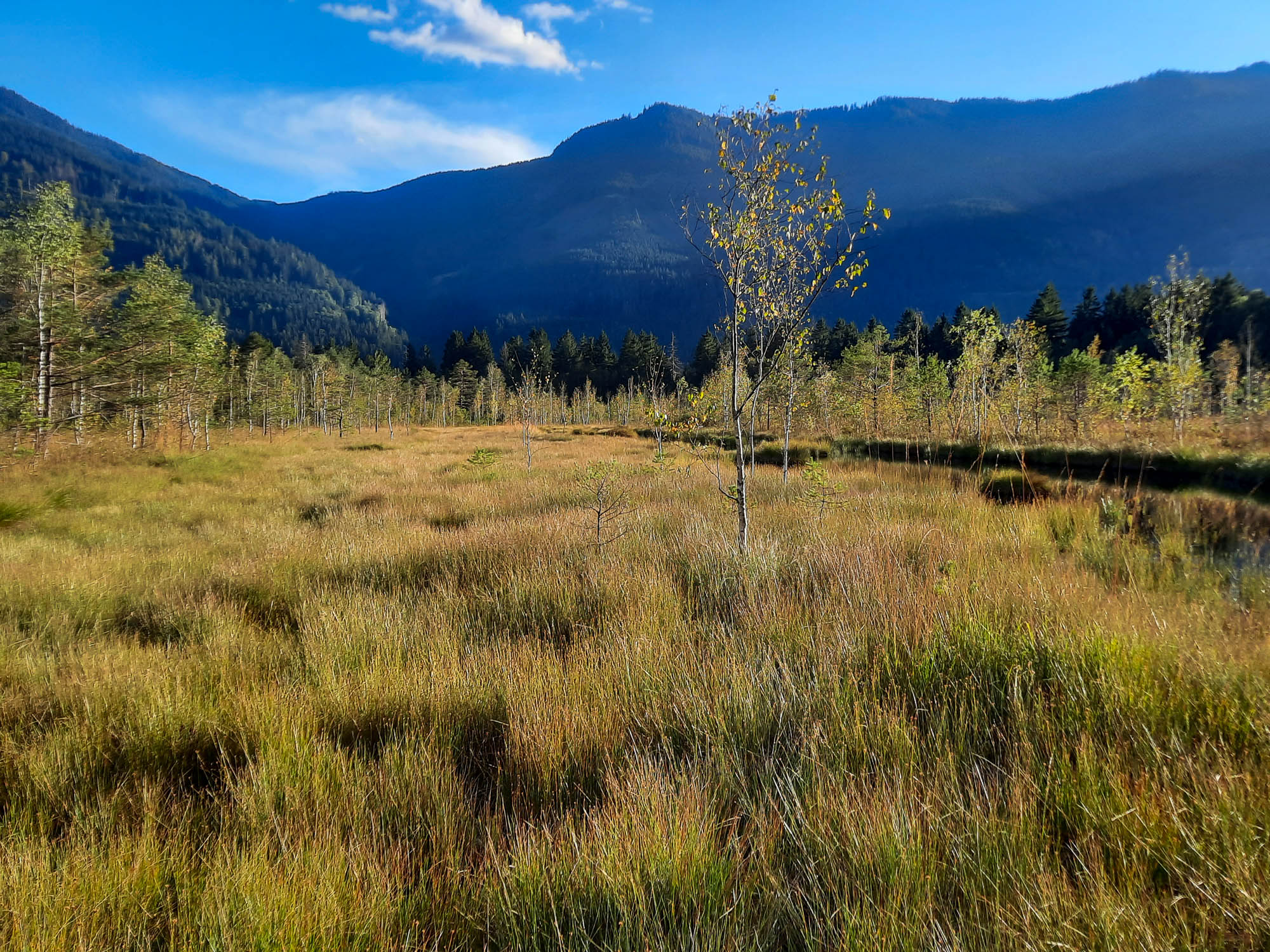
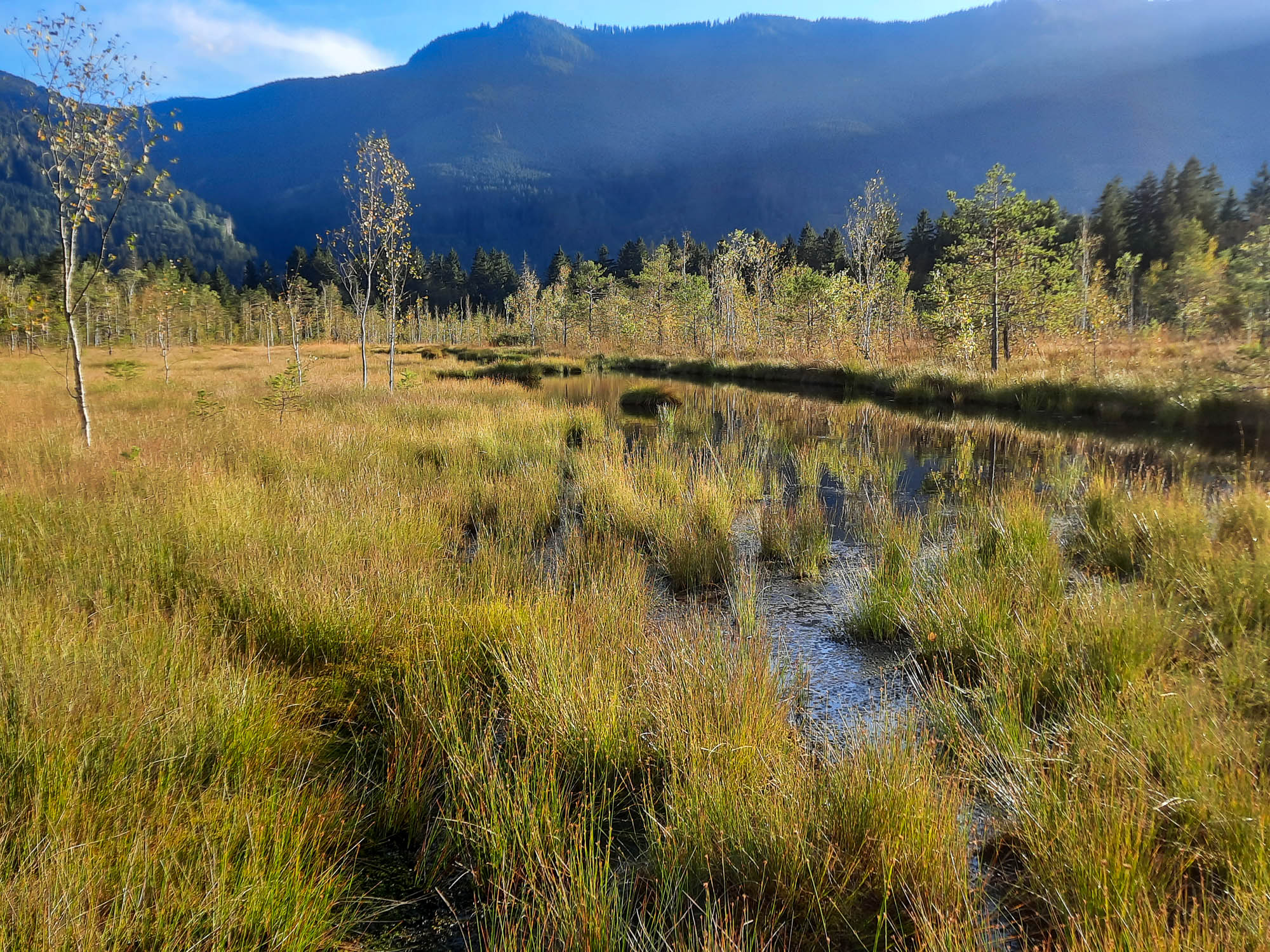
All photos (C) HBLFA Raumberg-Gumpenstein, Franziska Schrempf