

- Home
- Research
- Research groups
- Biodiversity and Renaturation

Biodiversity and Restoration Research Group - Preserving Diversity in the Cultural Landscape
Coordination: Wilhelm Graiss
Biodiversity and renaturation – preserving diversity in the cultural landscape
The Biodiversity and Restoration research group at HBLFA Raumberg-Gumpenstein investigates how biodiversity can be preserved, promoted, and restored in cultural landscapes. The focus is on practical solutions for agriculture, nature conservation, and the sustainable use of natural resources.
Document biodiversity, preserve habitats
Our research ranges from biodiversity analyses and the development of species-rich grassland to the restoration of peatlands and other valuable habitats. The conservation of genetic resources – such as rare livestock breeds and valuable grassland species – is also an important part of our work.
Putting renaturation and biodiversity into practice
Together with farms, conservation organizations, and research partners, the research group develops measures that combine ecological responsibility and agricultural use. These include strategies for recultivation and revegetation, as well as for dealing with invasive plant species.
Our goal is a sustainable balance between agricultural use and ecological responsibility – through the combination of scientific expertise and practical solutions. We are particularly distinguished by our excellent collaboration with farmers, conservation organizations, and associations.
Our work covers a wide range of topics:
- Restoration of bogs and alpine pastures: Implementation of management measures to restore valuable habitats.
- Genebank-grassland: Collection, preservation and reproduction of the genetic resources of different grassland habitats.
- Breeds of farm animals worthy of conservation: Management of the Austrian Gene Bank for farm animals and coordination of conservation measures and genetic monitoring for rare farm animal breeds. Representation of the interests of animal genetic resources at the Food and Agriculture Organization of the United Nations (FAO).
- Greening and recultivation: Development of innovative approaches for sustainable biodiversity promotion in our cultural landscape.
- Biodiversity analyses: Recording and assessment of biodiversity on farms and raising awareness locally.
- Strategies against invasive neophytes: measures to control and contain non-native plant species.
Furthermore, we are involved in environmental projects with a particular focus on agricultural aspects and actively participate in national and international research initiatives. As a central interface in biodiversity and environmental networks, we promote collaboration and exchange between science, practice, and policy.
We communicate our findings through specialist publications, lectures, and podcasts to raise awareness of the importance of biodiversity. With modern infrastructure, an interdisciplinary team, and collaboration with governmental, non-governmental, and agricultural organizations, we offer a unique platform that links research, education, consulting, and practical application.
Our vision is to develop practical solutions that promote the sustainable use of natural resources and preserve biodiversity in the long term – for a future worth living and for future generations.
Team

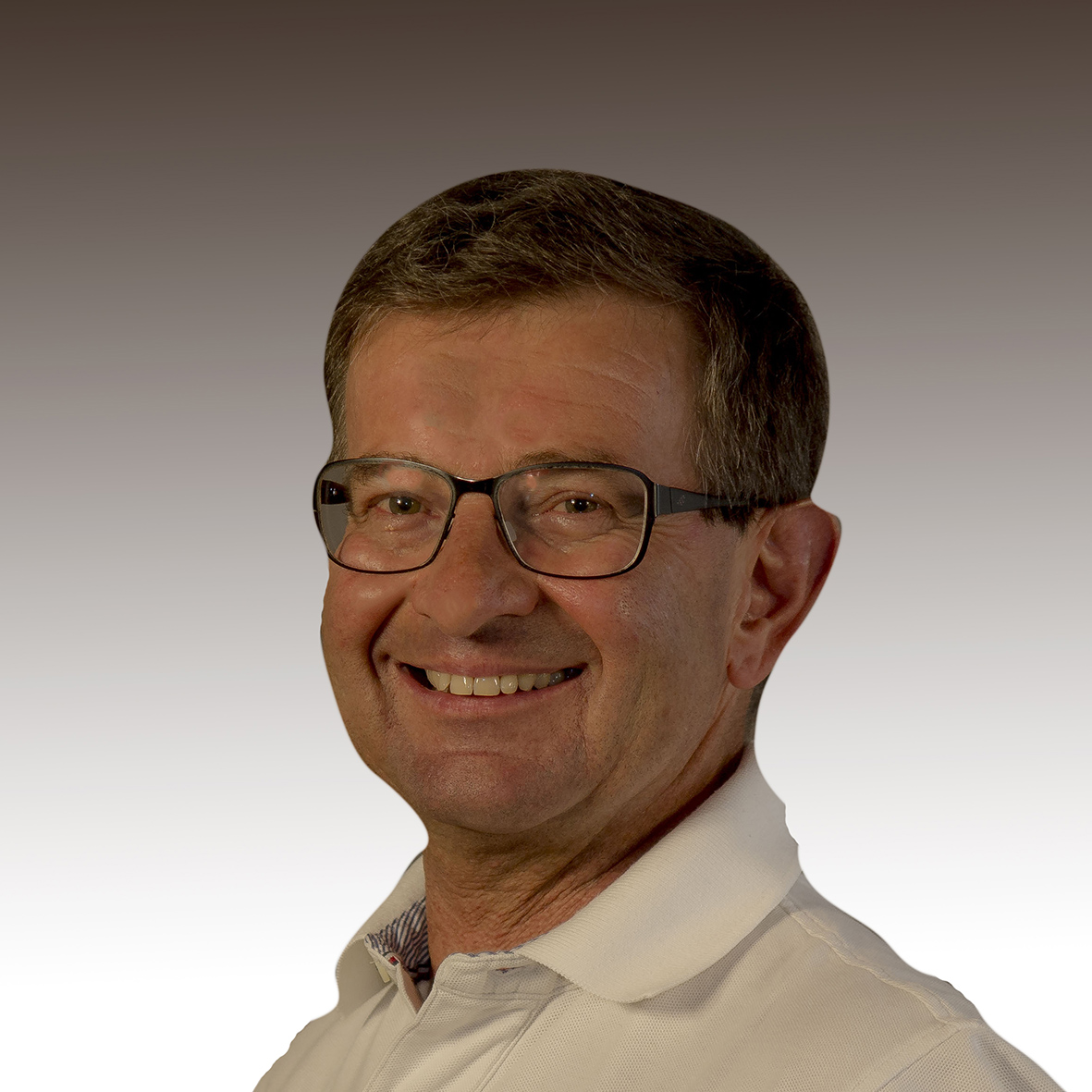



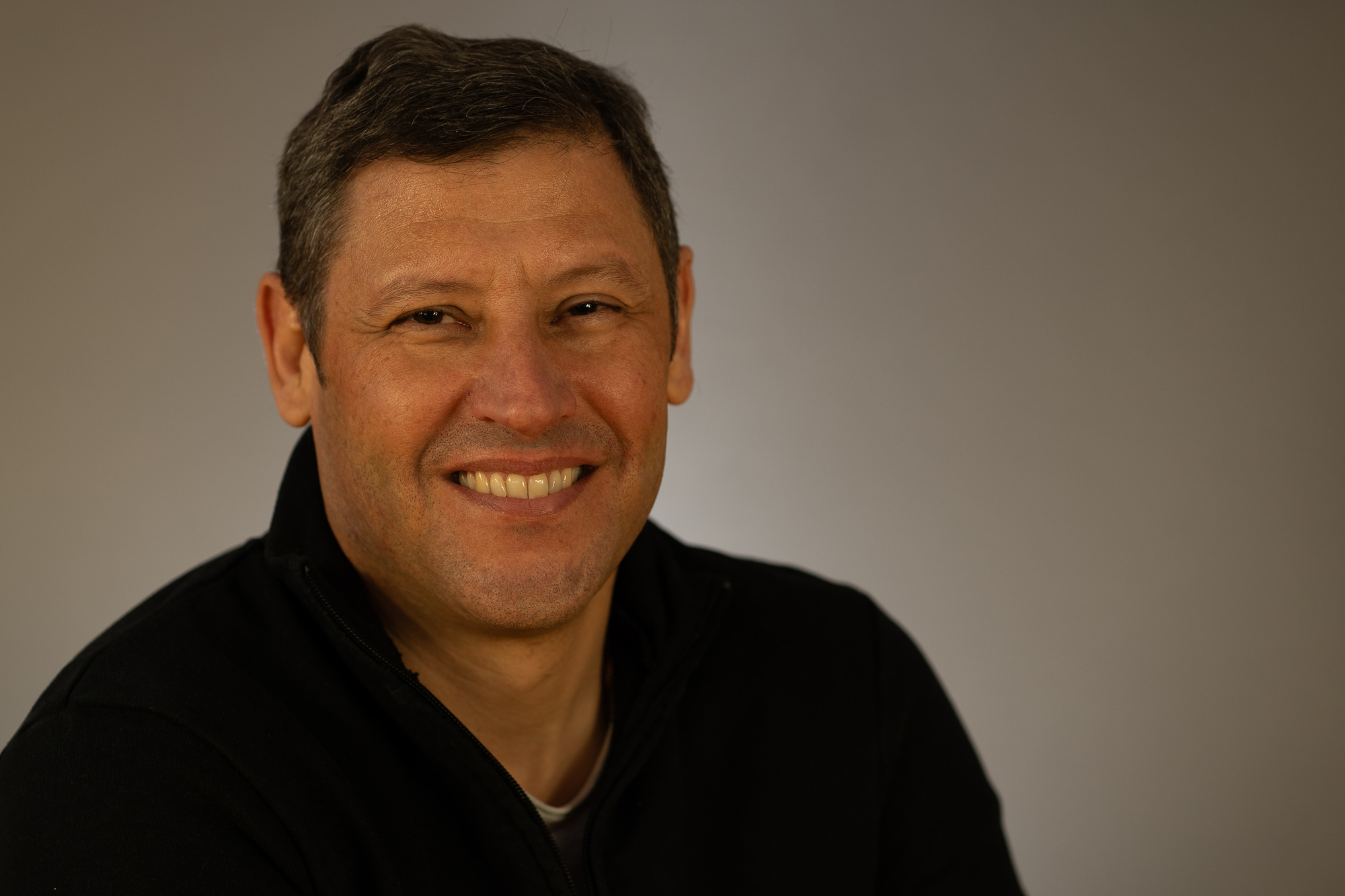

Herndl Markus, Dr.
Department of Soil Science and Lysimetry, Head of the Eco-efficiency Research Group






Our latest articles on biodiversity
- Promoting biodiversity and agriculture through rewetting and water retention - Webinar recording
- Indicator plants in peatland habitats – brochure on peatland restoration
- SchaZi-Alm - Biodiversity on the alpine pasture with sheep and goats
- Flower Power 2.0: Evaluation and optimization of flowering strips to promote biodiversity in agricultural landscapes (Flower Power)
- Gumpenstein experimental field
- Pasture shading – Evaluation of different shading elements on the pasture of small ruminants
- YoungAsked – Between traditional English lawns and modern flower strips in gardens | Wilhelm Graiss #192
- The grassland mixture of the future – research meets practice | Lukas Gaier #154
- Targeted restoration of grassland after heat and drought | Lukas Gaier #189
-

10
2026 -

10
2026 -

09
2026- Project lead institute: Institute 1 - Livestock Research, Institute 2 - Crop Production
-

09
2026- Project Leader Institute: Institute 1 - Livestock Research
-

09
2026 -

09
2026- Project Manager Institute: Institute 2 - Crop Production
-

09
2026 -

09
2026- OpenStreetMap:
-

07
2026 -

07
2026 -

06
2026 -

05
2026 -

04
2026 -

08
2026 -

03
2026 -

04
2026 -

01
2026- Project Manager Institute: Institute 4 - Bio
-

09
2026 -

12
2025 -

12
2025 -

10
2025 -

10
2025 -

10
2025 -

07
2026