

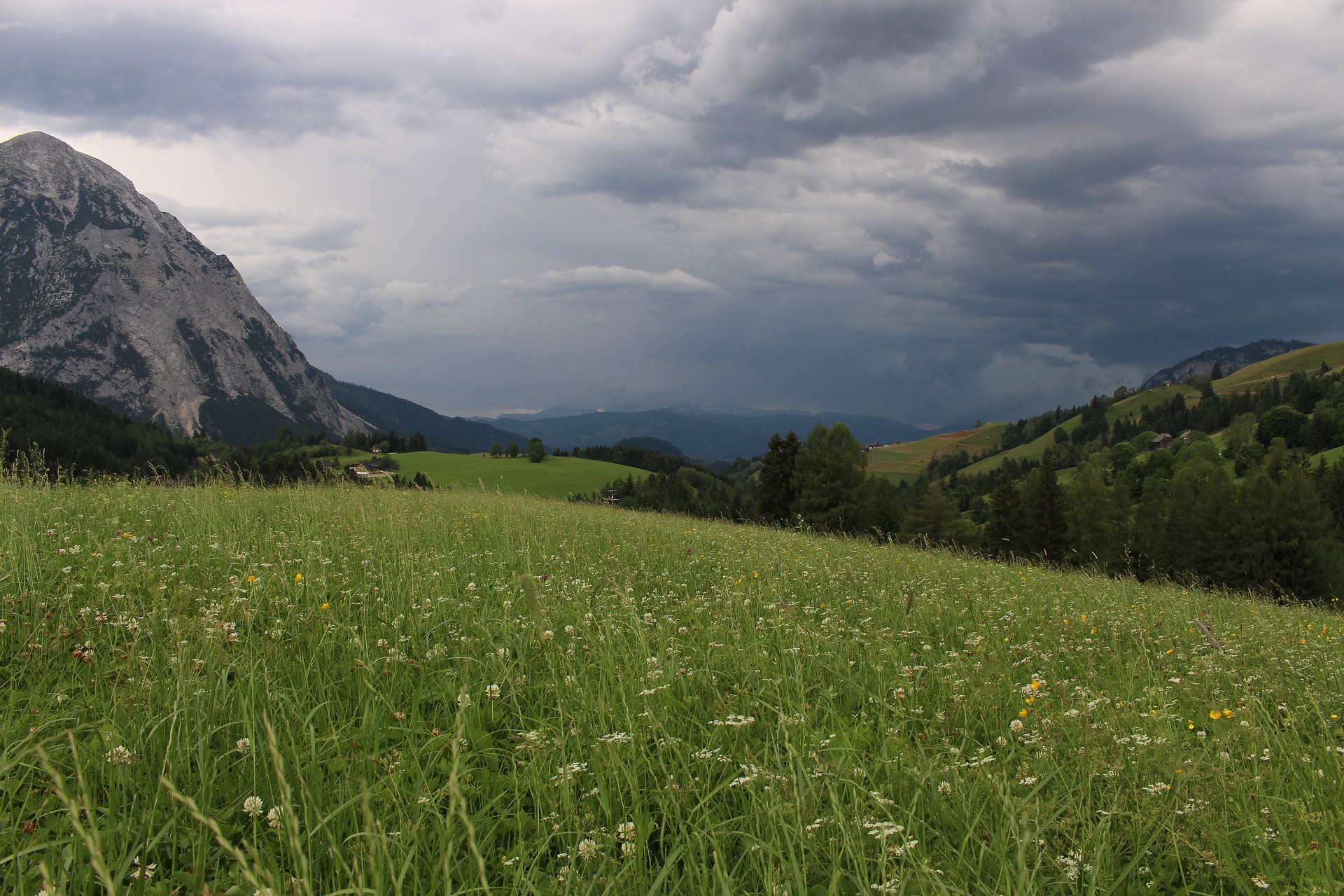
The number of different plant communities is particularly high in extensively managed grassland. Due to the intensification of productive sites and the abandonment of less favorable sites, some plant communities have already become very rare. Certain plant species are of particular importance because of their strong correlation with management or site characteristics. Their presence allows conclusions to be drawn about specific site characteristics, and they can therefore be used as bioindicators. They can serve to quickly determine site characteristics, identify changes or management errors, and monitor the success of implemented measures.
{rsfiles path="Research reports/Environmental resources_in_the_greenland/Biodiversity/2_2010_Vegetation types_Plant species diversity_Alpine pastures_Expert forum_Bohner.pdf"}
{rsfiles path="Research reports/Environmental resources_in_greenland/Biodiversity/2_2013_the_progressive_farmer_Indicator plants_bohner.pdf"}
{rsfiles path="Research reports/Environmental resources_in_grassland/Biodiversity/2_2013_the_progressive_farmer_Indicator plants_Part2_bohner.pdf"}
{rsfiles path="Research reports/Environmental resources_in_greenland/Biodiversity/2_2010_Environmental_Symp_Soil_condition_Bohner.pdf"}
{rsfiles path="Research reports/Environmental resources_in_grassland/Biodiversity/2_2011_Article_Farmer_Indicator plants_Economic grassland_Bohner.pdf"}
