



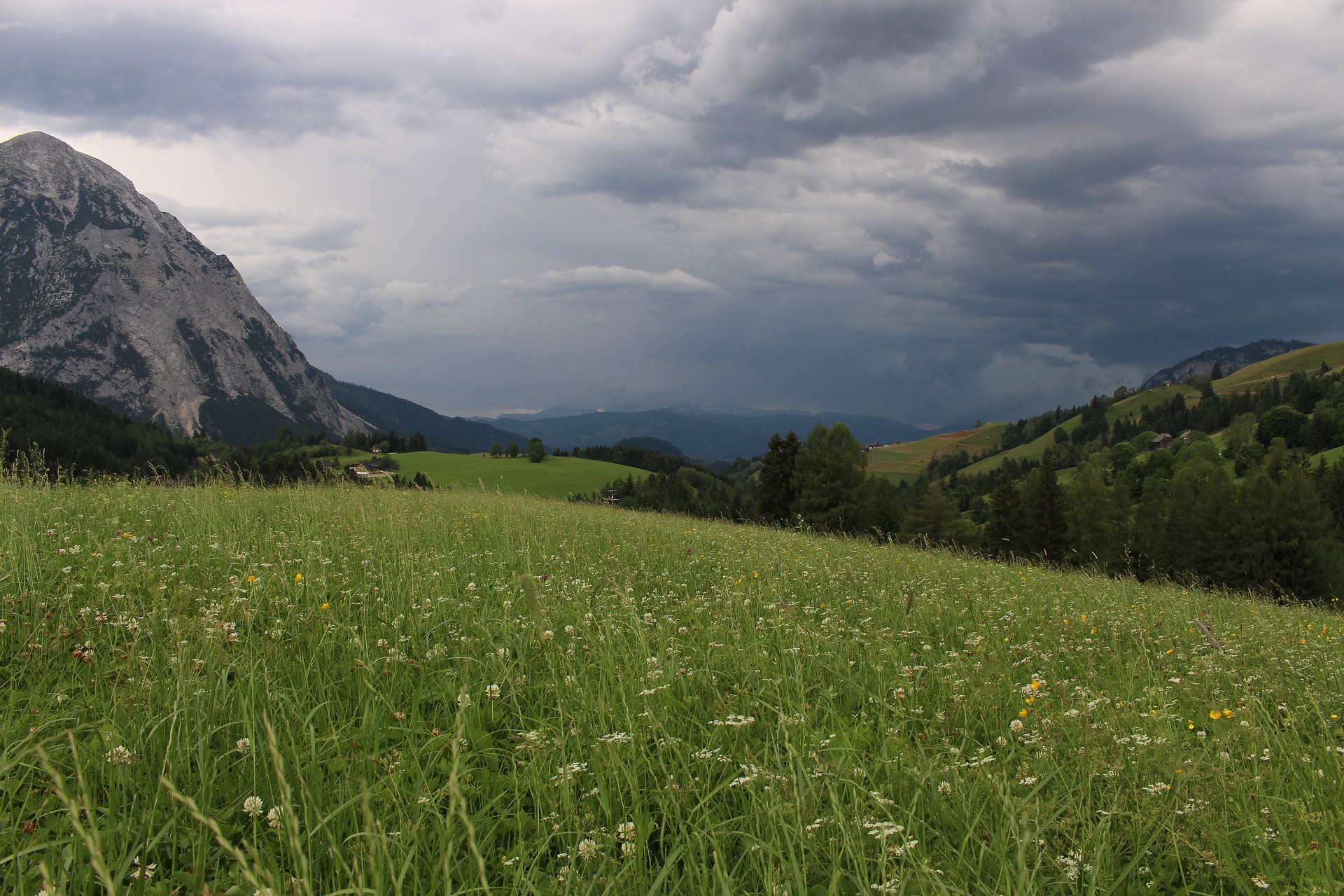
Poisonous plants are most prevalent in extensively managed grasslands. They occur particularly in sites with fluctuating moisture levels, dampness, or wetness. By far the most dangerous poisonous plant in Austrian grasslands is the autumn crocus. Other notable poisonous plants include meadow buttercup, marsh horsetail, monkshood, and white hellebore, which can be found on alpine pastures. The distinction between toxic and medicinal properties is fluid in poisonous and medicinal plants. Therefore, the term "poisonous" is always relative. If animals can freely select their food, as in a pasture, poisonings are rare because they generally avoid poisonous plants. Poisonings are most likely to occur at the start of grazing, when moving animals to alpine pastures, and during periods of food scarcity. Young animals are generally more vulnerable than older animals. The toxic effect depends primarily on the plant species and the quantity ingested. The animal's weight and overall health are also important factors.
