
Promote insect diversity in a targeted manner
Flowering strips have become an integral part of the Austrian agricultural landscape. They provide food and habitat for pollinators and other beneficial insects, increase biodiversity , and ensure important ecosystem services such as pollination and natural pest control. At the same time, too little is known about which seed mixtures actually promote which insect groups and how their effects change throughout the year. This is precisely where FlowerPower 2.0 comes in: The project makes the impact of flowering strips scientifically measurable – and simultaneously applicable to agricultural practice.
The decline in insect diversity poses a long-term threat to the functionality of agricultural ecosystems. However, a standardized measuring instrument that reliably documents the positive effects of wildflower strips on insect biodiversity and can be used by farmers themselves is currently lacking. The aim is therefore to develop and test an innovative eDNA (environmental DNA) biomonitoring tool that is precise and practical.
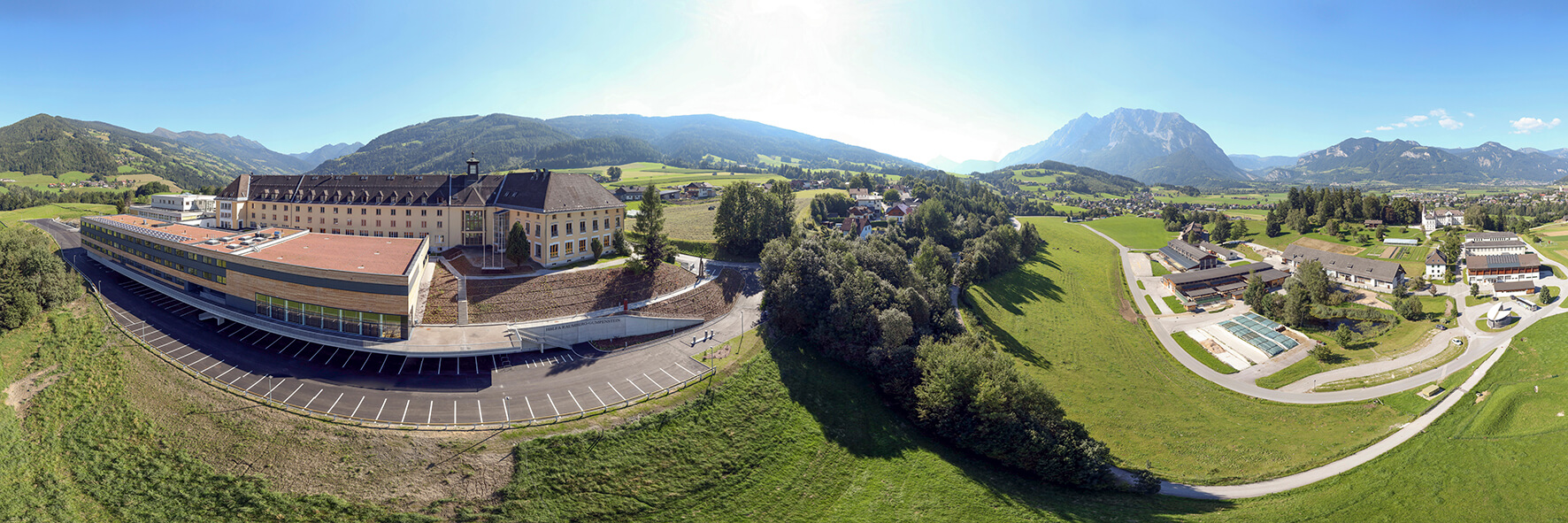
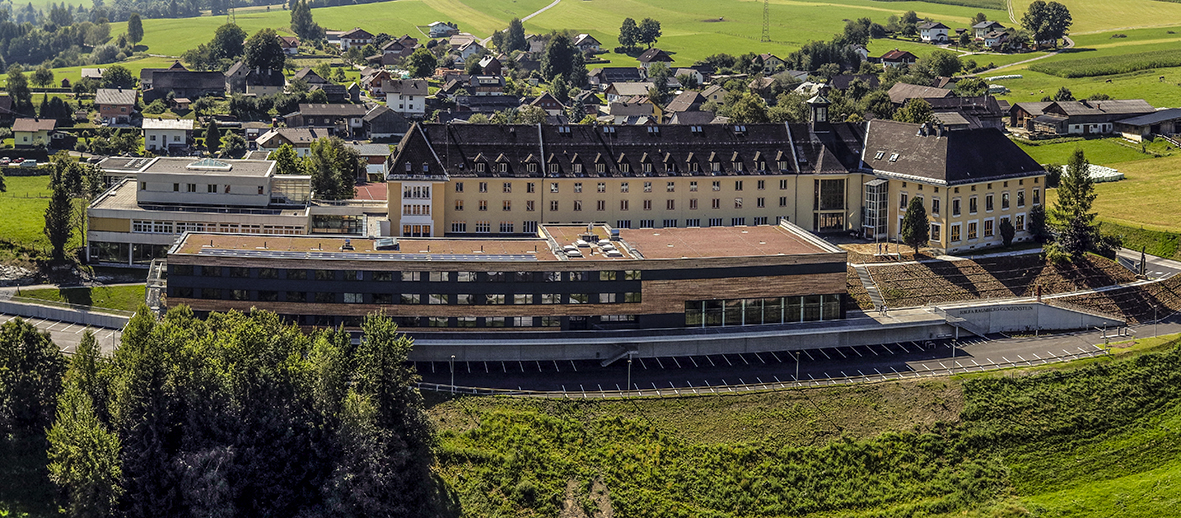
FlowerPower 2.0 is being implemented by the HBLFA Raumberg-Gumpenstein under the project management of the University of Innsbruck (Dr. Michael Traugott). Cooperation partners include Raumberg-Gumpenstein Research and Development, BioAustria , and Boden.Leben – Association for Climate-Adapted and Regenerative Agriculture. The project runs from October 2025 to December 2028.
Eight best-practice areas as a living research laboratory
The focus is on established, perennial best-practice wildflower strips. Botanical surveys will be conducted at eight selected locations throughout the growing season – including plant composition, cover , and phenological development. Additionally, the study will investigate whether existing wildflower strips can be further improved by introducing two to three specific plant species.
The University of Innsbruck is surveying insect biodiversity using traditional field methods such as visual identification, trapping trays , and net collecting. Molecular methods are also employed: environmental DNA left behind by visiting flowers is insect-flower interactions . For this purpose, flowers are washed, and wild bees are briefly sampled using swabs. This allows for a more precise understanding of which plant species are particularly relevant for pollinators, parasitoids, beneficial insects, or even pests.
A second focus is citizen science. Fifty pilot farms from six Austrian states are directly involved in biodiversity monitoring. A prerequisite is a well-established, sown wildflower strip of at least 700 m². The farms receive online training, access to a digital platform with a helpdesk, and sample kits. They conduct flower washings and supplement their observations via an app. In return, they receive a farm-specific analysis of the insect biodiversity in their own fields.
The HBLFA Raumberg-Gumpenstein contributes its expertise in practical plant inventory surveys . For the assessments, approximately 20 m² plots were surveyed and replicated four times; the surveys were carried out in spring 2026.
The goal is to produce concrete, eligible recommendations:
- Which wildflower strip mixtures are particularly effective in promoting functional insect groups?
- How can existing areas be ecologically enhanced without losing sight of practicality?
- And how can biodiversity performance be assessed transparently in the future?
FlowerPower 2.0 combines research, agricultural expertise and modern DNA analysis – with the aim of developing flowering strips from a well-intentioned landscape element into a demonstrably effective building block of resilient agricultural ecosystems.
Project data
Project title: Flower Power 2.0: Evaluation and optimization of flowering strips to promote biodiversity in the agricultural landscape
Acronym: Flower Power
Project management: Dr. Michael Traugott, University of Innsbruck