
The aim is to research processes such as climate change, biodiversity, soil properties, resource use of ecosystems and socio-ecological systems and their impacts.
The HBLFA Raumberg-Gumpenstein is a founding member of LTER-Austria, the Austrian Society for Long-Term Ecological Research, and part of the European research network eLTER (Integrated European Long-Term Ecosystem, critical zone and socio-ecological Research). eLTER develops innovative research methods that are tested and implemented at sites and platforms distributed throughout Europe.
Figure: Austrian eLTER locations according to targeted location categories and LTSER research platforms

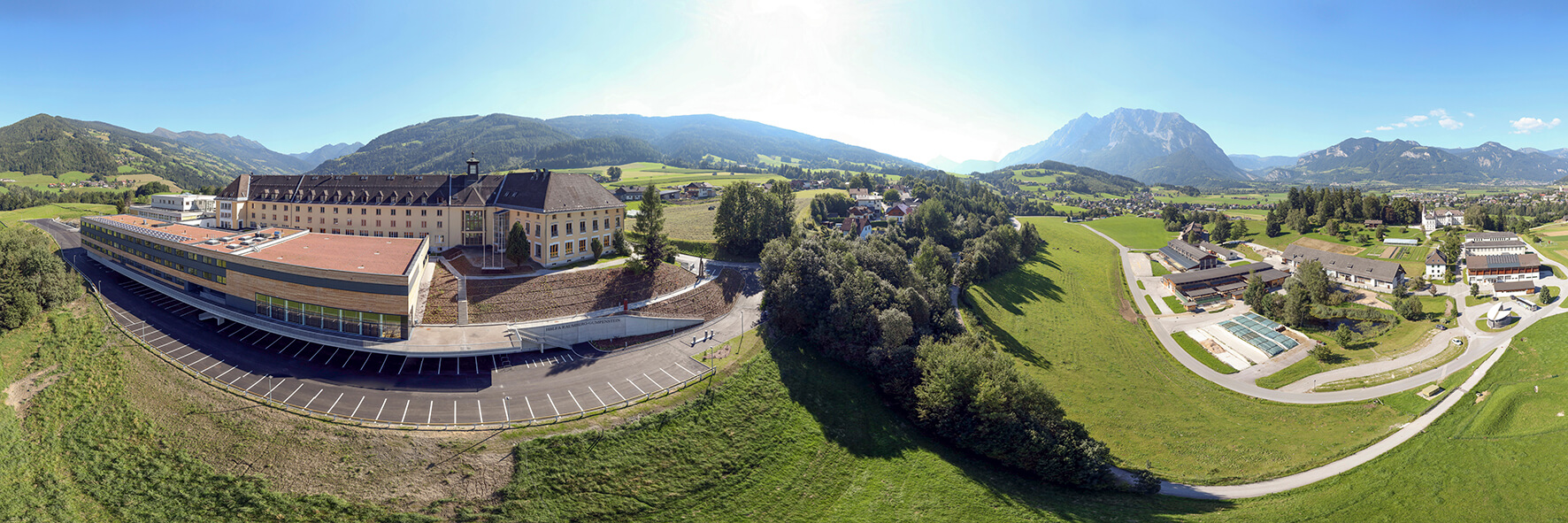
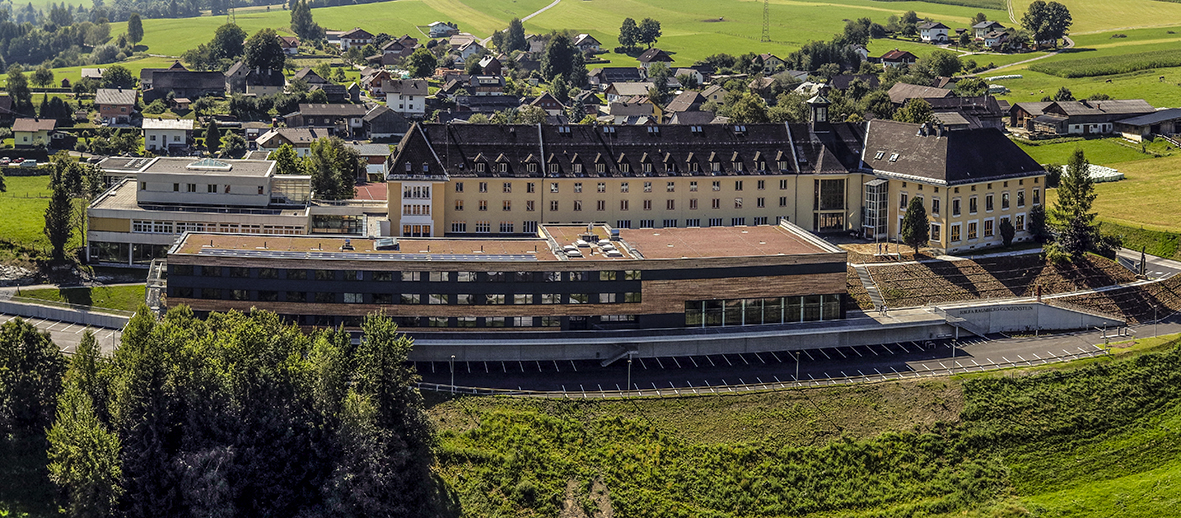
Our focus as an eLTER site for long-term research experiments encompasses habitats influenced by humans ("man-made habitats"). Currently, the HBLFA Raumberg-Gumpenstein cultivates approximately 200 hectares of agricultural land for research projects, of which about 35 hectares are experimental plots, a portion of which is dedicated to long-term research. Long-term data collected, for example on biodiversity, water and soil quality, and meteorology, form the scientific basis for the sustainable use and protection of ecosystems. Furthermore, long-term experiments are ideally suited for climate impact research, modeling for a wide range of disciplines, and the analysis of ecosystem services in permanent grassland.
In the eLTER_RI_AREC project, the Research Acquisition Unit of HBLFA Raumberg-Gumpenstein is collaborating with experts from the research institute on a feasibility study for international certification as an eLTER Category 2 site. This study analyzes all eLTER requirements for this categorization. Specific internationally standardized parameters—so-called Standard Observations—in the geo-, hydro-, biological, and atmospheric environments are to be collected over the long term at defined measurement intervals and using specific methods and standardized measurement protocols across a selected area. This includes preliminary resource planning for the operating organization, an analysis of management tasks, and the adaptation of data management to the specified structure.
The exchange of experts with the national coordination office at the Federal Environment Agency, the responsible ministries and eLTER sites located in the agricultural sector as well as the members of the LTSER research platform Eisenwurzen within the framework of expert discussions and events such as the LTER-Austria annual conference, which takes place from 15-16 October, will be incorporated into the feasibility study.


Since the 1940s, our research institute has been conducting long-term experiments on grassland areas, which are still being tested today and provide scientifically valuable data for research on agricultural land and its sustainable forms of use.
The long-term research plots of the HBLFA into the eLTER information management system Raumberg-Gumpenstein are currently being integrated DEIMS-SDR , thereby facilitating international presentation and the initiation of research collaborations. In addition to the oldest long-term research plots in Admont (nitrogen and meadow fertilization trials), established in 1944, the experimental plots in Gumpenstein (nutrient deficiency, cutting frequency, fertilization and land use, yield-dynamic manure, compost, and slurry trials), established in the 1960s, are also presented. Furthermore, the experimental plots in Stubegg/Zachenschöberl (lime fertilization and dynamic alpine pasture fertilization trials) , established in 1964, as well as the Moarhof Organic Institute and the long-term research plots at the Lambach Stadl-Paura branch are also featured.
Another essential component of the existing research infrastructure is our weather station, which has been operated in Gumpenstein since 1954 and, as part of the GeoSphere Austria measurement network, has been providing daily weather data since 1993, serving as a basis for many research analyses.
The feasibility study establishes a basis for comparing data with other agricultural sites in similar regions of Europe that collect their data in the same way. This will allow important insights to be gained for future agricultural practice, enabling the adaptation and optimization of land-use practices in light of changes in site conditions and habitat types.
Further links:
eLTER - eLTER Homepage
eLTER - The eLTER Research infrastructure
Agricultural Research and Education Center Raumberg-Gumpenstein - Austria | DEIMS SDR
ESFRI Research Infrastructures “eLTER RI”: Research infrastructure
LTER Austria | Austrian Society for Ecological Long-Term Research
LTER-Austria Conference 2024: A strong commitment to long-term ecological research
A success story - 20 years of the LTER-Austria association - socio-ecological long-term research