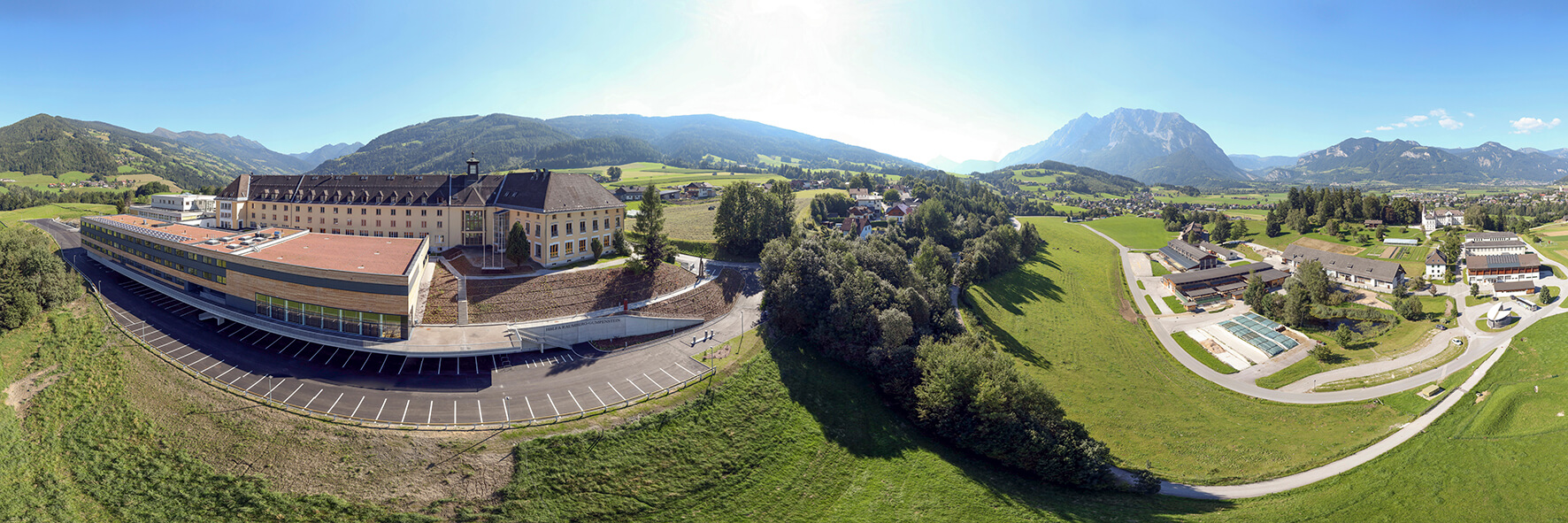
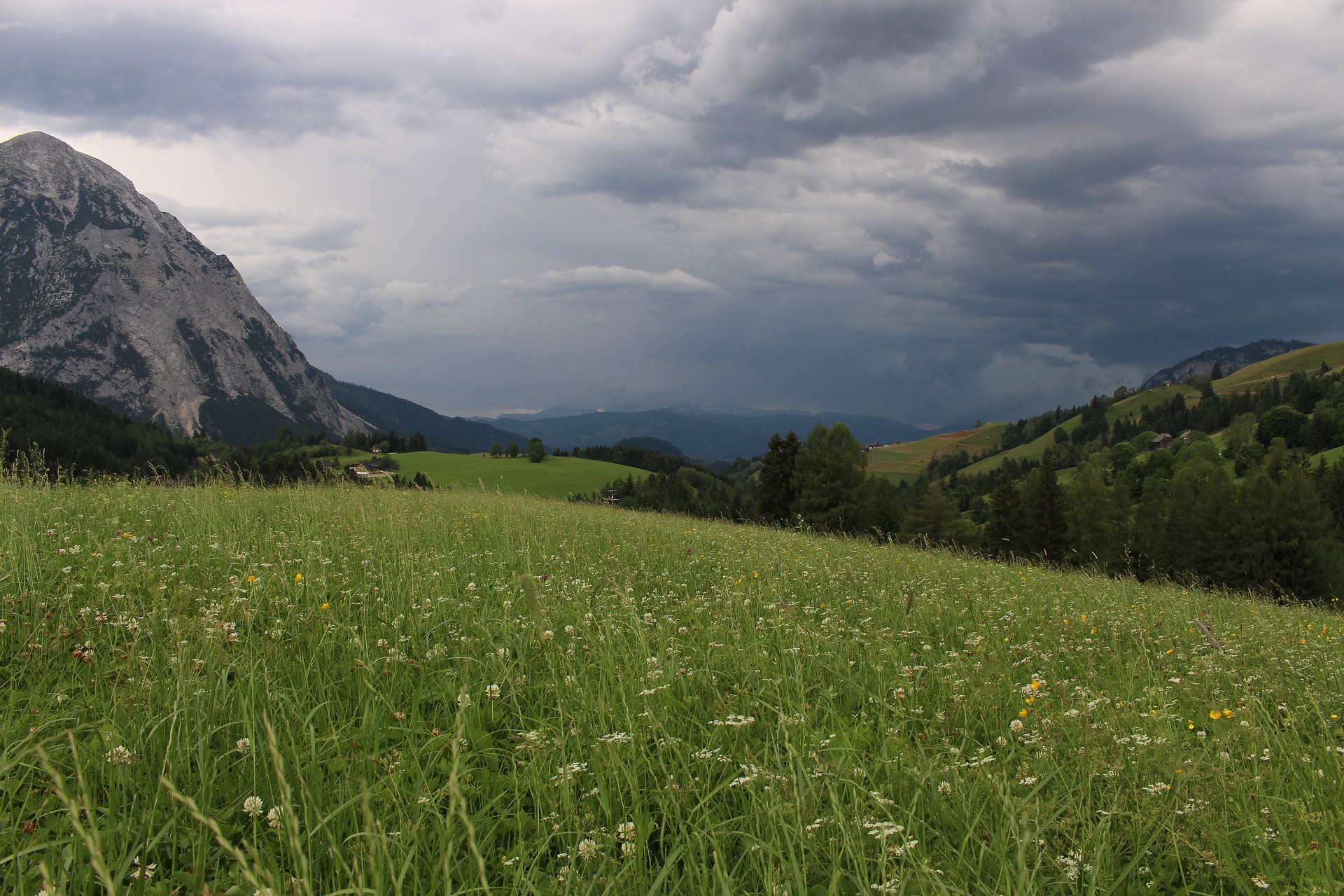

In a two-year research project at the Biology Institute of the HBLFA Raumberg-Gumpenstein, short-grass pasture was compared to an intensive paddock grazing system. Individual animal and area performance, changes in plant composition, and the lying and rumination behavior of the cows were comprehensively recorded.
Two-year trial
At the start of the grazing season, a total of 24 dairy cows expected to calve in autumn/winter were evenly distributed between two full-grazing trial groups. The grazing trial ran from mid-April to the end of August. During this period, all cows received, in addition to pasture forage, only 1.0 kg of fresh concentrate per cow per day (0.5 kg per meal), supplemented with minerals in the barn. No extreme weather conditions were observed in either trial year or grazing season; average annual rainfall was slightly below the 30-year average, meaning there were no prolonged dry periods during the trial.
Different growth heights
The short-grass pasture (KRW) was grazed at an average grass height of 5.5 cm (measured with a pasturemeter). The intensively used paddock pastures (KOP) were divided into three-day paddocks, and within these paddocks, day paddocks were established, which were gradually expanded over three days. Over the entire trial period, an average initial grass height of 8.9 cm and an average post-turnover grass height of 5.8 cm were observed in the intensive paddock group. During the paddock grazing period, the average rest periods between two rotations for the first day paddock were 15 and 20 days, respectively, in the first and second grazing years.
Interesting results
In the grazing system, the average proportion of grasses in the plant stand was about 10% higher than in short-grass pasture. These effects were observed for both perennial ryegrass and Kentucky bluegrass. In contrast, the proportions of herbs, creeping bentgrass, and gaps were significantly lower in the grazing system. Regarding root mass, a decrease in the measured root mass was observed in the first 5 cm of the soil horizon during the grazing season in short-grass pasture; this effect was less pronounced in the intensive grazing group. Similar effects of the grazing system were also evident in the 10-15 cm root horizon, where the root mass was again lower in short-grass pasture than in the grazing system during the grazing season. These effects are consistent with data from the literature and previous trials at the site. Besides soil shading and the more favorable microclimate near the ground, this also explains the somewhat longer survival and higher yield levels of grazing systems in trials during periods of drought.
High feed quality
Regarding the nutrient content of the pasture forage samples, no differences were observed between the grazing system groups on average. The average net energy content of the pasture forage was very high in both grazing systems at 6.7 MJ NEL/kg DM. This can be explained by the fact that the paddock pastures were also used when the grass was very young (8.9 cm tall).
Milk yield did not differ
No significant group differences were observed in either average individual milk yield (COP: 19.5 kg energy-corrected milk yield; COW: 20.8 kg ECM) or milk yield per hectare (COP: 59.1 kg ECM/ha and day; COW: 59.8 kg ECM/ha and day), although the short-grass pasture group showed a numerical increase. Milk protein and urea content, as well as live weight and body condition score, were lower in the pasture group than in the short-grass pasture group. No significant grazing group effects were found regarding the average daily lying time of the cows, which was 8.8 hours. Daily rumination time was 7.8 hours in the intensive pasture group and slightly shorter (7.5 hours) by 4%.
In summary , the grazing system influenced both plant composition and root development. However, these effects did not impact the nutrient content of the very young forage. Regarding milk yield per animal and area yield, no significant effects of the grazing system were observed under the given experimental conditions (no dry periods, cows on full pasture during autumn/winter calving).