


The study observed the effects of simulated climate change on various aspects of the permanent grassland ecosystem. While scientific partners from several universities have been investigating different aspects of the grassland ecosystem in various research projects since 2014, the primary objective of ClimGrassEco II was to examine the effects of climate change in combination with drought .
Extreme weather events such as drought will pose the greatest challenge to agriculture in the coming decades. Researching the effects on soil, hydrology , and plant communities is crucial for developing adaptation strategies. In the ClimGrassEco II project, all treatment variants, management practices, and observations across the 54 experimental plots seamlessly integrated with the predecessor project, ClimGrassEco, thus establishing the infrastructure for a long-term project addressing various research questions and involving cooperation partners. This approach enabled a detailed understanding of complex processes and functional relationships within the grassland ecosystem under changing climatic conditions, providing a foundation for targeted adaptation measures in grassland management .
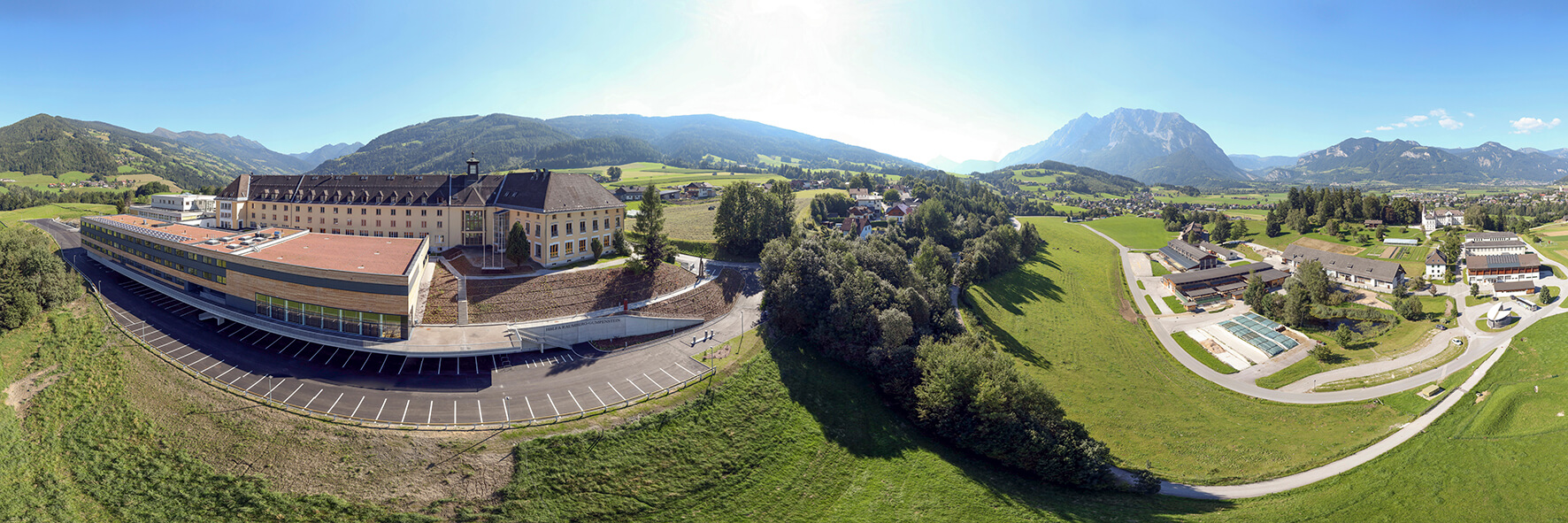
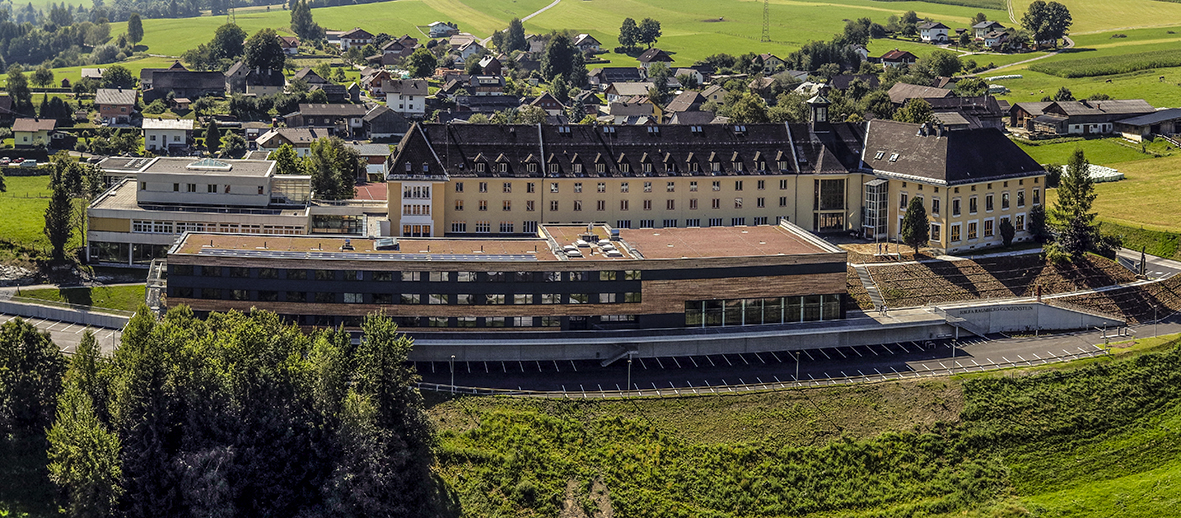
In addition to ensuring a sufficient supply of forage for livestock farming , maintaining the diverse ecosystem services of grasslands HBLFA Raumberg-Gumpenstein at considerable expense. The diverse results reflect both the unique nature of this experiment and the successful collaboration with all participating partners from various disciplines. is also a key objective. The multifaceted nature of the grassland ecosystem necessitates an interdisciplinary approach to a wide range of research questions. For this reason, various research groups collaborated on and within the ClimGrass experimental facility, which was provided by the
