
Nevertheless, silage experts from Austria demonstrated that the production of excellent silage is possible. The top silage qualities were selected by a jury of experts and awarded in six categories at the first online silage conference on March 6, 2021.
| category | Place | Operation | Location | country | TM | Crude protein | NEL |
| g/kg FM | g/kg TM | MJ/kg TM | |||||
| Grass silage 1 | 1 | Gerhard Schober | St. Lorenzen | STYRIA | 418 | 181 | 6,78 |
| 2 | Neumüller Wolfgang | Niederwaldkirchen | UPPER AUSTRIA | 280 | 185 | 6,56 | |
| 3 | Josef Braumann | Seekirchen | SALZBURG | 416 | 155 | 6,53 | |
| Grass silage 2 | 1 | Stefan Pilz | Neuhofen/Ybbs | LOWER AUSTRIA | 396 | 181 | 5,93 |
| 2 | Haitzmann Michael | Lungötz | SALZBURG | 448 | 169 | 5,97 | |
| 3 | Ernst Dirnberger | Weistrach | LOWER AUSTRIA | 248 | 221 | 6,37 | |
| Grass silage 3 | 1 | Paul Breitfuss | Seekirchen | SALZBURG | 473 | 141 | 6,45 |
| 2 | Werner Konzett | Bludesch | VORARLBERG | 469 | 197 | 6,00 | |
| 3 | Pucher Harald | Oberwölz | STYRIA | 535 | 148 | 6,32 | |
| Grass silage 4 | 1 | Andreas Stögmüller | Leiben | LOWER AUSTRIA | 372 | 208 | 7,03 |
| 2 | Six Herbert and Veronika | Gampern | UPPER AUSTRIA | 396 | 167 | 6,79 | |
| 3 | Gruber Michael | St. Pölten | LOWER AUSTRIA | 326 | 191 | 6,49 | |
| category | Place | Operation | Location | country | Strength | NEL | |
| g/kg TM | MJ/kg TM | ||||||
| Corn silage 1 | 1 | Wasner Gottfried | Göllersdorf | LOWER AUSTRIA | 365 | 346 | 6,71 |
| 2 | Angleitner Wolfgang | Aurolzmünster | UPPER AUSTRIA | 364 | 341 | 6,6 | |
| 3 | Pippan Karl-Markus | Magdalensberg | CARINTHIA | 366 | 375 | 6,76 | |
| Corn silage 2 | 1 | Friedl Heinrich | Weng | UPPER AUSTRIA | 430 | 397 | 6,9 |
| 2 | Hassler Johannes | St. Michael/Lavanttal | CARINTHIA | 396 | 393 | 6,87 | |
| 3 | Mayer Bernhard and Stefan | Ernstbrunn | LOWER AUSTRIA | 421 | 427 | 6,9 |
Price categories:
1- Grass silage from permanent pasture, 1st cut, up to 45% dry matter;
2- Grass silage from permanent pasture, 2nd and subsequent cuts, up
to 45% dry matter; 3- Digestive hay, all cuts, over 45% dry matter;
4- Grass silage from forage crops, all cuts;
5- Corn silage, up to 38% dry matter;
6- Corn silage, over 38% dry matter
Better utilize quality potential
The established silage rules of good agricultural practice provide a solid foundation, but are not always sufficient to prevent undesirable fermentations in grass silage. The findings from the Chamber of Agriculture's silage project serve to identify what top-performing farms are doing better. The greatest potential for improvement in Austrian grass silage lies in reducing butyric acid fermentation, which was clearly too high in 2020. The growth of clostridia is responsible for this. Accelerating lactic acid fermentation, combined with a faster reduction of the pH value below the critical level, should be the goal.
Fermentation can be effectively accelerated by ensuring the structural content of the feed is below 490 g NDF/kg DM or below 310 g ADF/kg DM, shortening the field phase (below 12 hours) through crop preparation, wilting the feed above 300 g DM/kg FM, avoiding earthy feed contamination (iron content below 500 mg/kg DM), very short feed length (less than 5 cm) at harvest, through the professional use of effective liquid silage additives (precise distribution and dosage), as well as through sufficient compaction and immediate airtight covering.
Corn silage is considered easily fermentable, but has the disadvantage of a higher risk of spoilage after silo opening. In 2020, corn silage fermentation was generally significantly more intense. The increase in average ethanol content to 16 g/kg DM must be considered critical, as yeasts caused alcoholic fermentation and are also largely responsible for secondary fermentation. In practice, fermentation times that are too short before opening, loosening during removal, and insufficient feed-out rates are still widespread, so that with rising air temperatures in spring, the risk of spoilage due to secondary fermentation is frequently present.
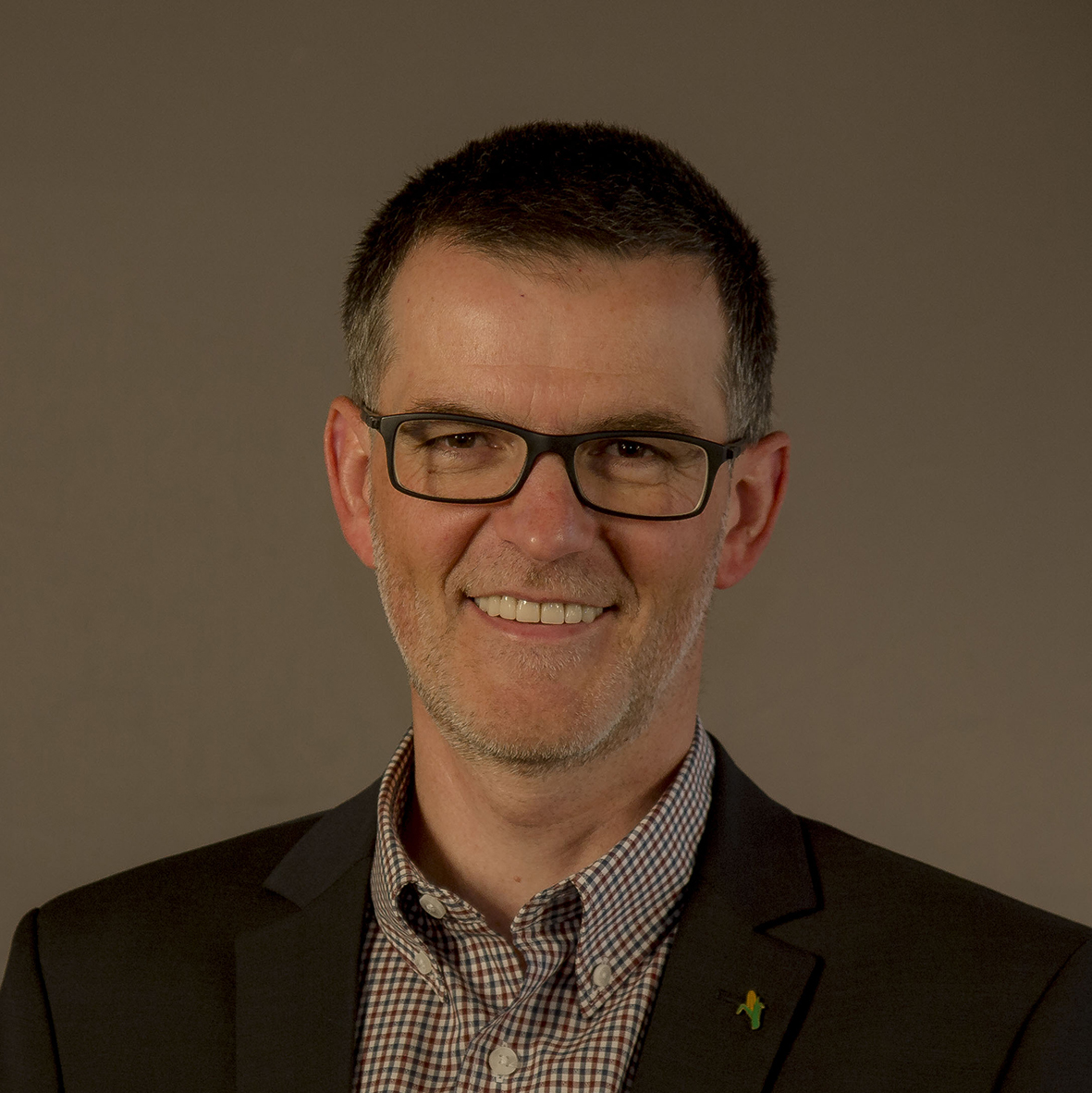
Summary by Ing. Reinhard Resch
“The current findings serve to advise, teach and support farmers in promoting the qualitative development of farms towards becoming silage experts. Top silage quality is the result of acquired expertise combined with consistent work,” concludes Reinhard Resch, overall coordinator of the LK silage project from the HBLFA Raumberg-Gumpenstein, drawing a realistic conclusion.
Team